
 Domaine du Cellier aux Moines is setting a new benchmark for the wines from Givry. Their 2022 from the famed Clos du Cellier aux Moines, arguably Givry’s top Premier Cru vineyard, is just one example of how they are redefining the appellation.… Read more
Category Archives: WRO Reviews
Domaine du Cellier aux Moines, Chassagne-Montrachet Premier Cru (Burgundy, France Les Chaumées 2023 ($180, Misa Imports)
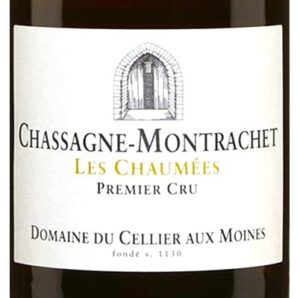 The 2023 vintage in Burgundy has the reputation of producing forward or “approachable” wines that are ready to drink. Don’t be fooled. This stunning and age-worthy Chassagne-Montrachet 1er Cru Les Chaumées is not. Don’t get me wrong. It is a fabulous wine, as my score shows.… Read more
Can Sumoi, Penedes (Catalonia, Spain) “La Rosa” 2024 ($24)
 Can Sumoi is a relatively new, still wine project from the famed Raventós i Blanc sparkling wine producer, which dates all the way back to 1497. Pepe Raventós, the current head of the family-run company, explains that this fine rosé is a blend of Sumoll, an indigenous red grape, and Xarel-lo.… Read more
Can Sumoi, Penedes (Catalonia, Spain) Garnatxa / Sumoll 2023 ($25)
 Pepe Raventós, the current head of the family-run sparkling wine company, Raventós i Blanc, purchased and resurrected an old farm, Serra de l’Home (literally, “mountain of man”) that dates from 1645 and is making still wine there under the Can Sumoi (literally, “house of Sumoll”) label.… Read more
Domaine Mont Bessay, Juliénas (Beaujolais, France) “En Bessay” 2023 ($60, Misa Imports)
 Even with the resurgence of interest in Beaujolais, Juliénas, one of the region’s 10 crus, has been overlooked or under-rated. With Domaine Mont Bessay, Philippe Pascal and Guillaume Marko are changing that and, in the process, are redefining the wines from that cru.… Read more
Pasqua Vigneti et Cantine, Amarone della Valpolicella DOCG (Veneto, Italy) “Famiglia Pasqua” 2017 ($50)
 Pasqua’s bold and warming Amarone delivers everything you’d expect from that appellation: dense, black fruitiness tinged with an engaging, raisin-like accented note. The 15 percent stated alcohol delivers an enveloping warmth without being hot or intrusive. It is finely textured with great balancing acidity and the barest hint of sweetness, which actually amplifies its appeal.… Read more
Pasqua Vigneti et Cantine, Valpolicella Superiore DOC (Veneto, Italy) “Mai Dire Mai” 2015 ($64)
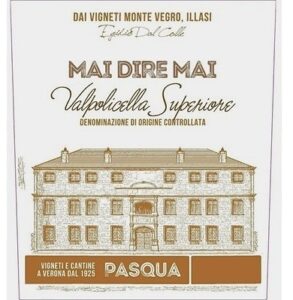 Valpolicella Superiore lies between Valpolicella and Amarone in style, displaying more density and oomph than Valpolicella yet not the power of Amarone. Think of it as an Amarone Rosso. Pasqua’s 2015, a mature and balanced 10-year-old wine, is a real treat.… Read more
Can Sumoi, Penedes (Catalonia, Spain) Xarel-lo 2023 ($23)
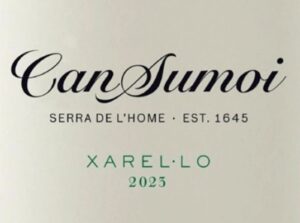 Can Sumoi is a relatively new, still wine project from the famed Raventós i Blanc sparkling wine producer, which dates its origins to 1497. Pepe Raventós, who currently leads the family-owned domain, insists that Xarel-lo is the world’s best white wine grape, surpassing Riesling or even Chardonnay.… Read more
Raventós i Blanc, Conca del Riu Anoia (Penedes, Spain) “De la Finca” 2020 ($39)
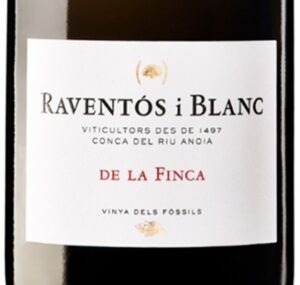 I know of no finer producer of Spanish sparkling wines than Raventós i Blanc. Note that I write sparkling wines rather than Cava, because Raventós i Blanc left the Cava umbrella over a decade ago (because they felt the quality level in general was abysmal in many wines bearing the Cava designation.… Read more
Tenuta Luce, Toscana IGT (Tuscany, Italy) “Luce” 2022 ($100, Vintus)
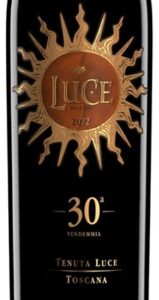 There are Super Tuscans — and then there are true Super Tuscans. Luce, an impeccable blend of Sangiovese and Merlot, falls squarely into the latter category. It delivers refined power, with the firmness and structure of Sangiovese balancing the more boisterous and juicier Merlot component.… Read more
King Family Vineyards, Monticello (Virginia) “Mountain Plains” Red Wine 2021 ($85)
 The weighty bottle accurately predicts the size of this powerful red blend of Cabernet Franc (45%), Merlot (37%) and Petit Verdot. Yet, despite its boldness, the wine is not overblown. Supple tannins support the ripe black succulent fruit notes without intruding.… Read more
Tenuta di Castellaro, Terre Siciliane Rosso IGT (Sicily, Italy) “Nero Ossidiana” 2021 ($50)
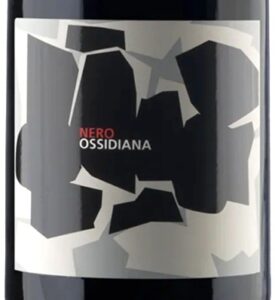 Located on Lipari Island, just off the coast of Sicily, Tenuta di Castellaro is focusing on Corinto, a native but obscure grape of Sicily. This one Nero Ossidiana, which takes its name from obsidian, a kind of volcanic rock, is a blend of organic Corinto Nero (90%) and Nero d’Avola.… Read more
Tenuta di Castellaro, Terre Siciliane Rosso IGT (Sicily, Italy) “Corinto” 2021 ($70)
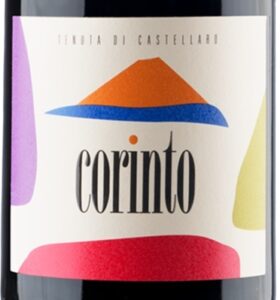 Every so often when tasting wines, you come across one, like this grand one, that makes you wonder why you hadn’t known about it sooner. Well, in this case it is because the wine comes from an obscure grape planted on a volcanic island little known for red wines.… Read more
DuCard Vineyards, Virginia Cabernet Franc “Vintner Reserve” 2023 ($63)
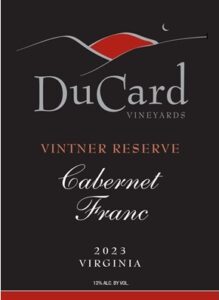 Made exclusively from Cabernet Franc grapes from the winery’s 25-year-old estate vineyard helps explain the statue of this midweight delight. Weighing in at a modest 13 percent stated alcohol, it displays more red rather than black fruitiness, which just adds to its elegance and charms.… Read more
50 West Vineyards, Virginia “Aldie Heights Cuvée” 2021 ($70)
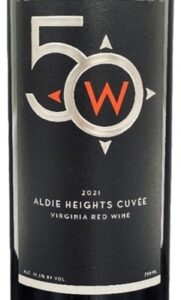 You would think for a wine made almost exclusively from Tannat and Petit Verdot, two grapes known for their power, that this wine would be over-the-top. Well, it’s not. Yes, it is dark and plummy, but not just fruity, as hints of minerals and tar sneak in.… Read more
Tenuta Santori, Offida DOCG (Marche, Italy) Pecorino 2022 ($20, Sounder Imports)
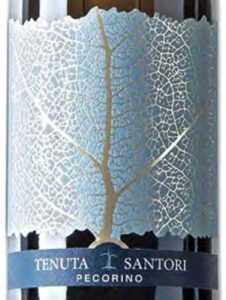 Offida, a small area in the southern part of the Marche, has been a DOCG only since 2011. Pecorino (the grape, not the cheese) has been growing in popularity with both growers and consumers. Growers like it because it ripens early, before autumn rains, and is relatively disease resistant.… Read more
Paradise Springs Winery, Shenandoah Valley (Virginia) Brown Bear Vineyard Cabernet Franc 2023 ($42)
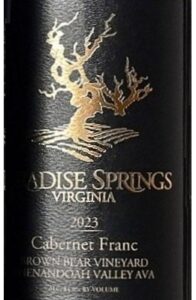 Whether Cabernet Franc will become Virginia’s primary wine remains to be seen. But this balanced mid-weight one from Paradise Springs Winery shows why it could. It delivers paradoxically ripe yet restrained black fruit flavors accented by subtle herbal ones. A delightful hint of bitterness in the finish adds to its stature and prevents it from its being overly fruity.… Read more
Alma Rosa, Sta. Rita Hills (Santa Barbara County, California) Pinot Noir 2022 ($47)
 Despite a stated 14.6 percent stated alcohol, this Pinot Noir is not overblown or wandering into the “Pinot-Syrah” category. Yes, the alcohol is apparent by a hint of heat in the finish, yet the overall impression is that of a balanced, fragrant wine that combines bright red and black fruit notes with a touch of minerality.… Read more
Col Vetoraz, Valdobbiadene Superiore di Cartizze DOCG (Veneto, Italy) 2024 ($40, Regal Wine Imports)
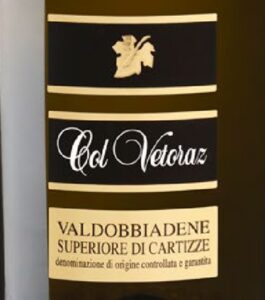 Col Vetoraz, founded about 30 years ago, has made the decision to make only Valdobbiadene Superiore di Cartizze DOCG and label it as such, refusing to put Prosecco on the label. They feel that the generic Prosecco name has destroyed the reputation of the fine wines from Valdobbiadene area, the best part of the Prosecco region with the Cartizze Cru being the best of the best)/.… Read more
Barboursville Vineyards, Virginia “Octagon” 2017 ($95)
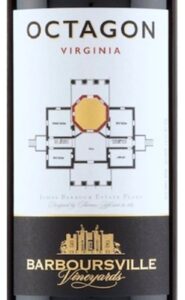 A seamless blend of Merlot (62%), Cabernet Franc (31%) and Petit Verdot, Barboursville’s 2017 mid-weight Octagon continues their run of outstanding wines and in the process, shows the potential of Virginia wines. This elegant Bordeaux blend provides plenty of enjoyment without being overblown.… Read more
Marchesi Frescobaldi Castello Pomino, Pomino Bianco Riserva DOC (Tuscany, Italy) “Benefizio” 2022 ($45, Vintus)
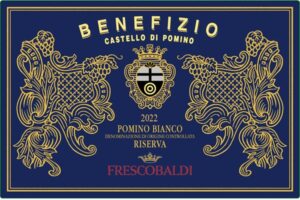 Cosimo de’ Medici included Pomino, along with what is now Chianti Classico, Carmignano, and Val d’Arno di Sopra, in his 1716 edict defining areas capable of producing outstanding wine. Whether Chardonnay was planted in Pomino at that time is not known.… Read more
Tenuta Campo Maccione, Maremma Toscana Vermentino DOC (Tuscany, Italy) 2024 ($22)
 The talented Chianti Classico producer, Famiglia Zingarelli of Rocca delle Macie, owns the Campo Maccione estate. Unsurprisingly, they fashioned a lovely, easy going Vermentino from organic grapes in 2024. Saline-tinged acidity keeps it bright throughout a meal. It is an excellent choice for simple seafood this summer.… Read more
Tenuta Sassoregale, Maremma Toscana Vermentino DOC (Tuscany, Italy) 2024 ($18)
 The 2024 Vermentino from Tenuta Sassoregale, an estate that is part of the Santa Margherita group, blossoms in the glass, delivering subtle and engaging citrus notes accented by a touch of saline-like acidity.
90 Michael Apstein – April 30, 2025… Read more
Collemassari, Maremma Toscana Vermentino DOC (Tuscany, Italy) “Melacce” 2024 ($19)
 The famed Montecucco producer, Collemassari, produced a creamy, gentle bottling of Vermentino from organic grapes in 2024. Weighing in at a modest 13 percent stated-alcohol, this Vermentino still invigorates the palate with mouth-cleansing acidity and magnifies its appeal. It is another great choice for summer sipping, either alone or with grilled fish.… Read more
Castello di Volpaia, Maremma Toscana Vermentino DOC (Tuscany, Italy) “Prelius” 2024 ($23)
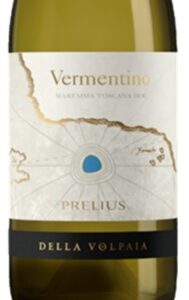 It is no surprise that Castello di Volpaia, a top Tuscan producer based in Radda, fashioned a crowd-pleasing 2024 Vermentino. Their Vermentino, Prelius, has always been a hit with me. The 2024 is no exception. Made from organic grapes, it combines a touch of creaminess with an attractive and subtle white pepper-like spiciness.… Read more
Carpineto, Chianti Classico Riserva (Tuscany, Italy) 2019 ($26)
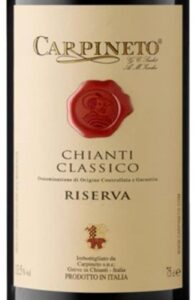 Wines like this one help explain the justified popularity of Chianti Classico. At five years of age, Carpineto’s Riserva delivers a harmonious combination of red and black fruits accented by spicy notes. It has depth without heaviness. Suave tannins lend support while providing a suave texture.… Read more
Elvio Cogno, Langhe DOC (Piedmont, Italy) Nascetta “Anas-Cëtta” 2022 ($32 Wilson Daniels)
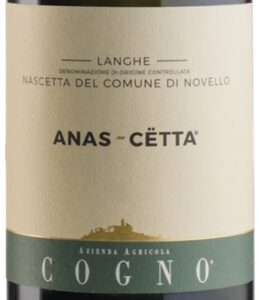 Nascetta, historically found only in the Novello commune, is Piedmont’s only autochthonous white grape. The wine is having a revival due, in major part, to Cogno’s role in saving the grape from extinction. Unsurprisingly, they are a leading producer of this captivating white.… Read more
Jordan Winery, Alexander Valley (Sonoma County, California) Cabernet Sauvignon 2020 ($62)
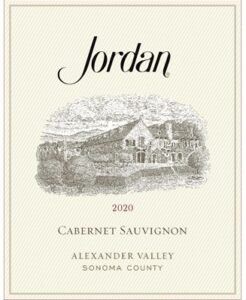 Jordan, an iconic Sonoma producer, continues its track record of producing polished Cabernet Sauvignons. Their 2020 combines an alluring ripe mixture of plumy and savory notes, all atop a plush base. As usual, Jordan has created a wine with depth and power, while avoiding the temptation to go overboard.… Read more
Duval-Leroy, Champagne (France) Brut Réserve NV ($54)
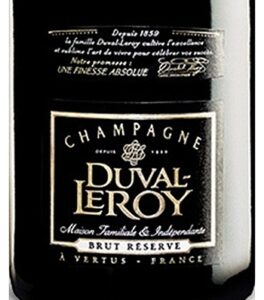 Still a family run Champagne house that happens to be headed by a woman, Carol Duval-Leroy, the eponymous firm is a leading producer in the region. Their non-vintage Brut Réserve, a seamless blend of Pinot Noir, Pinot Meunier, and Chardonnay, displays a pleasing fleshiness and roundness, all supported by a straight spine of acidity.… Read more
Taittinger, Champagne (France) “La Française” Brut NV ($63, Kobrand)
 I have often wondered how Taittinger could make such a magnificent super premium Champagne, Comtes de Champagne, while simultaneously producing an anemic La Française, their non-vintage bottling. Something seems to have changed! Comtes de Champagne remains spectacular, still standing with any Champagne in that category, while La Française has taken on depth and complexity that balances its backbone.… Read more
Starmont Vineyards, North Coast (California) Sauvignon Blanc 2023 ($22)
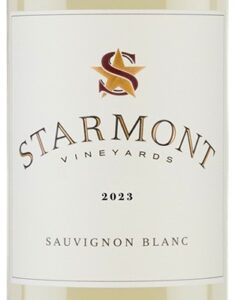 Predictably, California Sauvignon Blanc delivers more melon-like, riper flavors compared with the grapefruit profile of the New Zealand version. Sufficient spice and brightness keep this one lively, while the melon-y notes add depth and balance. It, too, can serve double duty as a stand-alone sipper and an accompaniment to something from the sea.… Read more
The Federalist, Marlborough (New Zealand) Sauvignon Blanc 2023 ($17, Terlato Wines International)
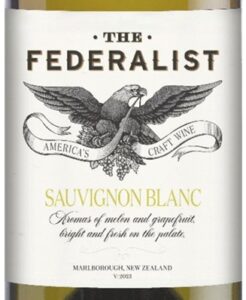 With its racy grapefruit-like zing, the Federalist could be the poster boy for Sauvignon Blanc from the Marlborough region of New Zealand. Happily, reasonable weight helps balance the prominent citrus character, though that note still predominates. This straightforward and cutting Sauvignon Blanc will be ideal for barbeques this summer.… Read more
San Felice, Bolgheri Bianco DOC (Tuscany, Italy) “Bell’aja” 2023 ($32, Total Beverage Solution)
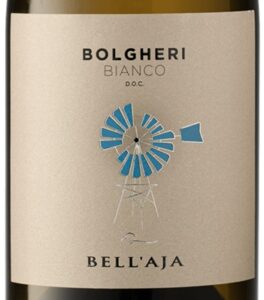 It turns out that Bolgheri, well known for top red wines, also makes noteworthy whites like this one. Its captivating aromatics indicate that Vermentino is the predominant variety. Sometimes said to be a grape that does best when “it sees the sea,” Vermentino is well suited to growing on the Tuscan coast, where Bolgheri is located.… Read more
Tenuta Villanova, Friuli DOC (Friuli Venezia Giulia, Italy) Pinot Grigio “Cala Bennati” 2023 ($20, Park Street Imports)
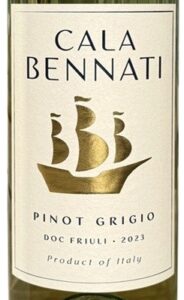 Producers in Friuli, in Italy’s northeast at the base of Italian alps, note its cool climate and breezy air as the explanation for their terrific white wines. This floral Pinot Grigio, with good depth and pleasing, not mouth-puckering, acidity, will be a crowd pleaser.… Read more
Granbazán, Rías Baixas (Galicia, Spain) Albariño “Etiqueta Verde” 2024 ($27)
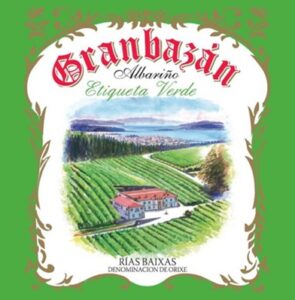 The cutting edginess of this electrifying wine could serve as a replacement for teeth cleaning. But its joy, and my enthusiasm for it, comes from its harmony. Plenty of depth and adequate ripeness balances the ginger-like spice and racy profile. This long and balanced beauty makes it a fine choice for a plethora of flavors in an omakase meal or hearty seafood bathed in a tomato sauce.… Read more
La Rioja Alta, Rioja Reserva (Spain) “Viña Alberdi” 2020 ($25)
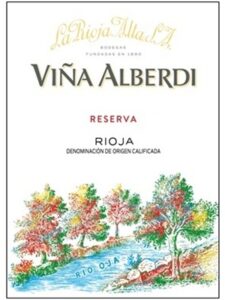 La Rioja Alta, founded in 1890, remains one of Rioja’s top producers. This muscular Reserva frames black fruit and spicey notes with firm but not hard supporting tannins, making it ideal for current consumption with hearty beef dishes. A long and long explosive finish with uplifting acidity amplifies its stature.… Read more
San Felice, Toscana IGT (Tuscany, Italy) “Vigorello” 2021 ($78, Total Beverage Solution)
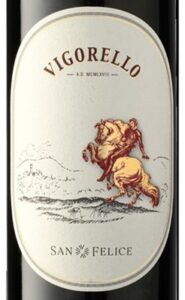 San Felice, a top Tuscan producer, incorporates Pugnitello, a traditional Tuscan grape, into their Super Tuscan blend with Merlot, Cabernet Sauvignon, and Petit Verdot. Wonderfully aromatic, rich dark fruit and minerals flavors emerge from this bold wine. Pleasing and invigorating acidity provides an ideal counterbalance to its rich profile.… Read more
Valdipiatta, Vino Nobile di Montepulciano (Tuscany, Italy) 2020 ($36)
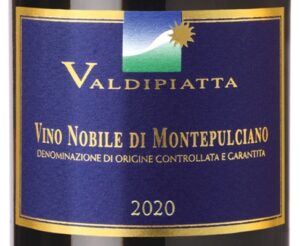 The perfume that emanates from the glass exemplifies why Valdipiatta is a leading producer of Vino Nobile di Montepulciano. Their mid-weight and elegant 2019 Vino Nobile highlights the firm and minerally side of Sangiovese grown in Montepulciano. Its multifaceted profile shines because it is not heavy or overdone.… Read more
Valdipiatta, Vino Nobile di Montepulciano DOCG (Tuscany, Italy) Vigna d’Alfiero 2019 ($45)
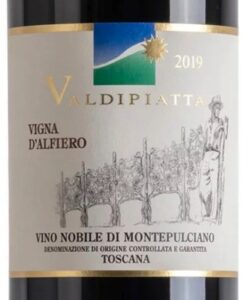 Valdipiatta considers Vigna d’Alfiero their most prized vineyard with a perfect balance of soils that impart depth and elegance to the wine. After tasting the wine, it’s impossible to argue with them! Enthralling floral and mineral aromatics like Valdipiatti’s normal Vino Nobile captivate.… Read more
Domaine Jean Defaix, Chablis (Burgundy, France) 2023 ($36)
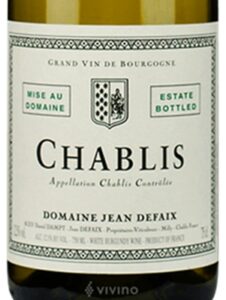 Despite climate change, Chablis remains a unique expression of Chardonnay, as this stoney wine shows. It delivers an alluring combination of floral and flinty elements, all buttressed by saline-tinged acidity in the finish. Domaine Jean Defaix has crafted a terrific village wine that shows that bargains still exist in this unique part of Burgundy.… Read more
Domaine Bonnardot, Bourgogne Hautes-Côtes de Nuits (Burgundy, France) “l’Âge Mûre” 2023 ($37)
 It turns out that Domaine Bonnardot is as talented with Pinot Noir in the Hautes-Côtes de Nuits as they are with Chardonnay. With unusual refinement for a wine from the Hautes-Côtes, this mid-weight Pinot Noir combines dark fruitiness with an attractive brambly quality.… Read more
Domaine Bonnardot, Bourgogne Hautes-Côtes de Nuits (Burgundy, France) “Les Frangines” 2023 ($35)
 The combination of soaring prices for even village wines and climate change have made the Hautes-Côtes the place to find affordable Burgundy. The Hautes-Côtes, both de Beaune and de Nuits, are the higher elevation land above the Côte d’Or. In the past, the elevation made it difficult to ripen the grapes and the wines had a rustic edge to them.… Read more
Sette Ponte, Toscana IGT (Tuscany, Italy) “Oreno” 2022 ($108, Kobrand)
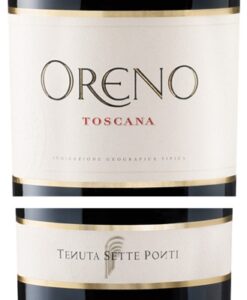 Sette Ponte has modified the viticulture, winemaking, and the composition of Oreno, their Bordeaux blend. The result—a magnificent wine. Amedeo Moretti Cuseri, Sette Ponte’s CEO, explains, “We want the wine to have more finesse.” Having tasted a twenty-year vertical of Oreno last year, I can affirm that they have succeeded admirably with the 2022.… Read more
Domaine du Beauregard, Bourgogne Côtes du Couchois (Burgundy, France)“Les Grandes Plantes” 2022 ($30)
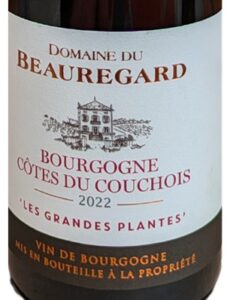 The tiny and Pinot Noir-only Bourgogne Côtes du Couchois appellation lies just south of the Côte d’Or in the Côte Chalonnaise. Though it encompasses some 1,000 acres, only 30 acres are actually declared under the appellation by a handful of producers.… Read more
Albert Bichot, Bourgogne Côte d’Or (Burgundy, France) Pinot Noir “Secret de Famille” 2022 ($42)
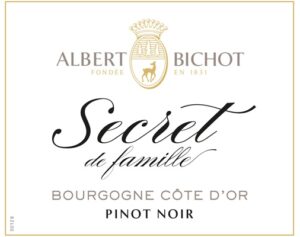 Bichot, one of Burgundy’s top producers, opts to use the relatively new, Bourgogne Côte d’Or, appellation that indicates all the grapes came from the Côte d’Or. None from the Mâconnais or the Côte Chalonnaise. In fact, I’m told that all the grapes came from the revered Côte de Nuits, which I wouldn’t doubt after tasting this suave and refined beauty.… Read more
Piaggi, Carmignano Riserva DOCG (Tuscany, Italy) 2022 ($52)
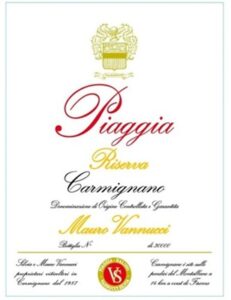 Piaggi, another of the leading producers of Carmignano, has made a positively brilliant 2022 Riserva. The legal definition of Riserva is additional aging prior to release. Practically, however, Riserva in Carmignano, and most other DOCGs, indicates a better wine made with better grapes that will improve with additional aging.… Read more
Tenuta di Capezzana, Barco Reale di Carmignano DOC (Tuscany, Italy) 2023 ($17 Dalla Terra)
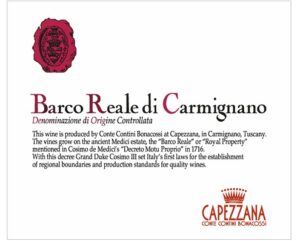 Barco Reale di Carmignano fits the Italian “rosso” category, as in Rosso di Montalcino, a fruit-forward rendition of a structured age-worthy wine. Capezzana, a leading producer in Carmignano, has fashioned a fragrant and refined one, filled with red cherries counterbalanced by earthy savory notes.… Read more
Tenuta di Capezzana, Carmignano DOCG (Tuscany, Italy) “Villa di Capezzana” 2015 ($67, Dalla Terra)
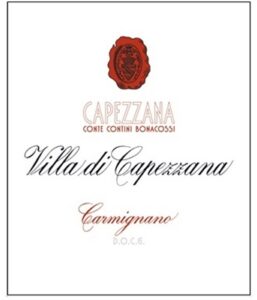 Capezzana opts to hold back several thousands of bottles that they then release at a decade of age because they know that Carmignano, and not even the Riserva, needs plenty of time to show its complexity. Of course, they’re correct. From a recent tasting of their Villa di Capezzana that showed wines back to their first vintage, the 1925, it was abundantly clear that Carmignano, like other great wines, needs time to develop and show their stuff.… Read more
Tenuta di Capezzana, Barco Reale di Carmignano Rosato DOC (Tuscany, Italy) “Vin Ruspo” 2024 ($23, Dalla Terra)
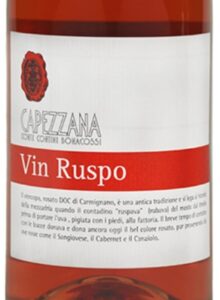 Vin Ruspo is, for lack of a better word, dialect for “stolen wine.” It originated during the sharecropping era in Tuscany. At the end of the day, the farmer would hold the last barrel of harvested grapes overnight before taking them to the landowner’s winery the next morning.… Read more
Fabrizio Pratesi, Carmignano Riserva DOCG (Tuscany, Italy) “Il Circo Rosso” 2021 ($80)
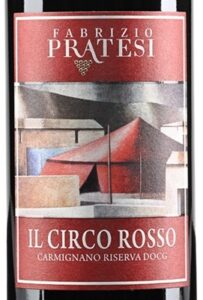 Carmignano requires the inclusion of Cabernet, either Sauvignon or Franc, in the blend with Sangiovese, producing a substantial and structured young wine, capable of virtually unrivalled development with proper aging. Well, Fabrizio Pratesi’s 2021 Carmignano Riserva can serve as “Exhibit A.”… Read more