
($13, Misa Imports Inc): 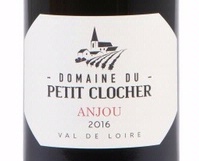 Sooner or later, consumers will discover the joys of red wine from Anjou. And of course, then the price will go up. But for now, stock up on this mid-weight red. Pleasantly austere, this Cabernet Franc-based wine focuses on herbal notes as opposed to just ripe fruity one. … Read more
All posts by admin
Maison Roche de Bellene, Coteaux Bourguignons (Burgundy, France) “Bellenos” Cuvée Rouge 2016
($15, Loosen Bros. USA): 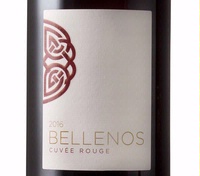 Created in 2011 and replacing the very down-market sounding appellation, Bourgogne Grand Ordinaire, Coteaux Bourguignons encompasses all vineyards from around Chablis in the north to Beaujolais in the south. For reds, the allowable grapes include Pinot Noir, Gamay, and César, a lesser-known grape grown around the Chablis area. … Read more
Marchesi Frescobaldi: ‘When you prune, you get to know the plants’
Lamberto Frescobaldi, tieless in a casual sports jacket, has a down-to-earth demeanor and a twinkle in his eye that belies his nobleman status. He is the 30th generation of that famed winemaking family, which in the past traded wine for paintings with Renaissance artists. … Read more
Aveleda, Vinho Verde (Portugal) 2017
($10, Now Wine Imports): 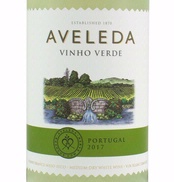 Aveleda’s Vinho Verde is the perfect antidote for the current heat and humidity gripping the East Coast. A blend of a number of Portuguese indigenous varieties, chiefly Loureiro and Alvarinho, it’s refreshingly crisp — almost spritz — and cutting. … Read more
Pieropan, Soave Classico (Veneto, Italy) 2016
($18): 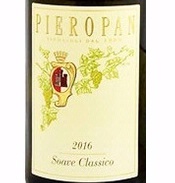 Wines, such as this one, explain the popularity of Soave. Sadly, Soave’s image tarnished over the years as industrial producers capitalized on the name’s popularity sacrificing quality along the way. Fortunately, a few producers, such as Pieropan, never wavered in their focus on producing distinctive, high-quality wines reflective of the unique volcanic soil in the hilly heart, or Classico, subzone. … Read more
Domaine Sainte Marie, Côtes de Provence (France) “VieVité” 2017
($19, Turquoise Life): 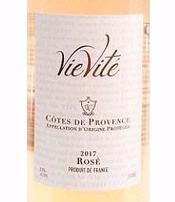 VieVité uses a rectangular-shaped bottle to distinguish it from a the even increasing array of other pink wines that line retailers’ shelves. A blend of equal parts of the usual Mediterranean grapes, Cinsault, Grenache and Syrah with Carignan accounting for the remaining 10 percent, this pale pink wine delivers delicate, yet persistent notes of strawberries buttressed by enlivening freshness.… Read more
Pierre-Marie Chermette, Fleurie (Beaujolais, Burgundy, France) Les Garants 2016
($26, Weygandt-Metzler): 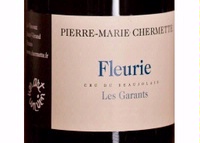 Pierre-Marie Chermette’s Fleurie Garants, though on the same pink granite soil as their Fleurie Poncié, comes from a southwest facing slope, which exposes it to warmer afternoon sun. Still highlighting the mineral component, it’s a slightly firmer, more muscular wine that maintains the incredible suaveness, which is always present in Chermette’s wines.… Read more
Pierre-Marie Chermette, Fleurie (Beaujolais, Burgundy, France) Poncié 2016
($26, Weygandt-Metzler):  Pierre-Marie Chermette, a well-regarded producer in Fleurie, one of the cru of Beaujolais, focuses on terroir — site specificity — in keeping with the tradition in the rest of Burgundy. Chermette produces two excellent, but very different Fleurie, this one from Poncié and one from a slope called Garants.… Read more
Gustave Lorentz, Alsace (France) Pinot Noir “Le Rosé” 2017
($18, Quintessential): 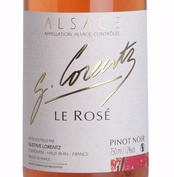 Although most people, with good reason, associated Alsace with white wines, such as Riesling, Gewurztraminer, or Pinot Gris, Pinot Noir actually accounts for roughly 10 percent of plantings in that region. This rosé of Pinot Noir comes from grapes planted at the foot and just outside of the Grand Cru vineyard, Altenberg de Bergheim. … Read more
Bedell Cellars, North Fork of Long Island (New York) Viognier 2017
($21): 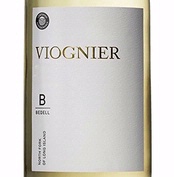 Bedell, one of the stars of the Long Island wine producers, has done a masterful job with this Viognier, a notoriously difficult grape to get right. Normally Viognier needs full ripeness to deliver its characteristic floral flavors, often resulting in an alcoholic and heavy wine. … Read more
Allegrini, Veronese IGT (Veneto, Italy) “Palazzo della Torre” 2014
($18): 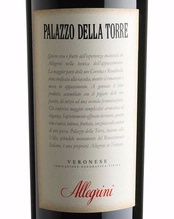 Allegrini, a top-tier producer, is one of the locomotives in the Valpolicella area, introducing many consumers to the joys of the wines from that part of Italy. They make an outstanding line-up of wines across the board. Their Palazzo della Torre, a kind of a baby Amarone, is a blend of Corvina and Rondinella whose body has been pumped up with a portion of dried grapes that they add to the newly made wine. … Read more
Argiano, Rosso Toscano IGT (Tuscany, Italy) “Non Confunditur” 2015
($20): 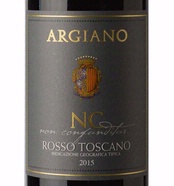 Argiano, a top Brunello producer, has, liked many other producers in the region, branched out from producing Brunello di Montalcino and Rosso di Montalcino. Non Confunditur, which in Latin means unique or unmistakable, is a balanced blend of Cabernet Sauvignon, Merlot, Syrah and Sangiovese that works very nicely. … Read more
Renato Ratti, Barbera d’Asti (Piedmont, Italy) “Battaglione” 2016
($18): 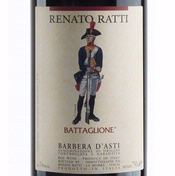 Full disclosure: I love Barbera. Mild tannins and bright acidity allow you to chill it in the summer, which amplifies its spicy fruity nature. Its bold flavors hold up to hearty pasta dishes and even grilled meat. The problem is that there is a lot of mediocre — or worse — Barbera in the market. … Read more
Maison Louis Latour, Montagny 1er Cru (Burgundy, France) La Grande Roche 2015
($22, Louis Latour USA): 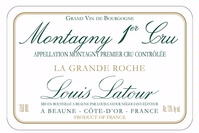 The 2015 vintage in Burgundy–and most of France for that matter — produced excellent reds, with ripeness and presence. Whites were less consistent because sometimes the warmth of the vintage robbed them of needed acidity. But when producers harnessed the ripeness without losing acidity, as with this wine, the result is stunning. … Read more
Alternatives to Rosé, Even in Provence
With apologies to Alfred Lord Tennyson, rosé to the left of us, rosé to the right of us, rosé in front of us, and there we were, drinking white wine in the heart of Provence. The sommelier at La Presque’îe, a spectacularly situated restaurant–with food to match–on the outskirts of Cassis overlooking the Mediterranean coast, told me that they sell a lot of rosé, but that, like us, many diners order white wine.… Read more
Domaine Parent, Pommard (Burgundy, France) La Croix Blanche 2016
($89, A Jeanne-Marie des Champs Selection): 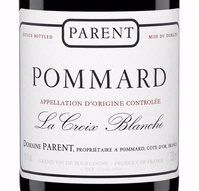 To me the talents of a producer shine when they make great wine from less than great sites. Domaine Parent does that consistently, though they also make great wine from great sites, as their 2016 Les Chaponnières shows. … Read more
Domaine Parent, Pommard (Burgundy, France) Les Chaponnières 2016
($144, A Jeanne-Marie des Champs Selection):  As enthusiastic as I am about Parent’s village wine, La Croix Blanche, Parent’s Les Chaponnières shows the glory of a premier cru. Although it’s a touch more powerful, it’s really the wine’s elegance and complexity that puts it into a different category. … Read more
Domaine Jacques Prieur, Clos Vougeot (Burgundy, France) 2016
($305, Frederick Wildman and Sons): 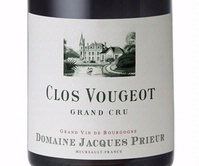 Given the horrendous weather during the 2016 growing season in Burgundy, it’s amazing that growers made any wine at all. Sadly, some did not since entire vineyards were wiped out by hail. Many producers had written off vintage, prematurely, as it turned out. … Read more
Domaine Labruyère, Moulin-à-Vent (Beaujolais, Burgundy, France) “Coeur de Terroirs” 2016
($27, Frederick Wildman and Sons): 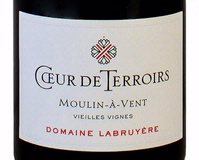 Domaine Labruyère, a serious producer based in Moulin-à-Vent, has a variety of bottlings from that Beaujolais cru. This one, a blend of grapes from older vines and aged in older oak barrels, reminds us of just how good and exciting wines from Moulin-à-Vent can be. … Read more
Domaine Labruyère, Moulin-à-Vent (Beaujolais, Burgundy, France) “Le Clos” 2016
($36, Frederick Wildman and Sons): 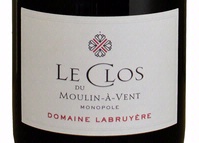 I hear it already, “How can you give Beaujolais 95 points?” First, this is not Beaujolais really; it’s from Moulin-à-Vent, arguable the best of the 10 cru of Beaujolais, which taken together, are in a class by themselves. … Read more
Clos de Nouys, Vouvray (Loire Valley, France) Sec 2016
($22): 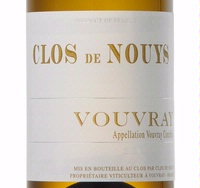 Vouvray is potentially one of the world’s great wines. Made from Chenin Blanc, a grape that, like Riesling or Chardonnay, can transmit the flavors of the site beautifully. But sadly, buying it is tricky and can be frustrating because it has a wide range of styles, from sweet to dry and riveting. … Read more
Les Maisons Rouges, Jasnières (Loire Valley, France) “Sur le Nez” Sec 2016
($25, AP Wine Imports): 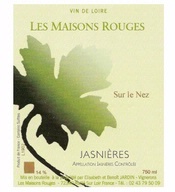 Jasnières, a tiny (161-acre) appellation, is well away from the river and the Loire’s northern-most outpost. Similar to Savennières, another lesser-known Loire appellation, Jasnières uses only Chenin Blanc to produce its steely, impressive white wines. Les Maison Rouges, founded almost 25 years ago, in 1994, has rapidly become one of the area’s top producers. … Read more
Maison Bougrier, Vouvray (Loire Valley, France) “Pure Loire” Brut NV
($20): I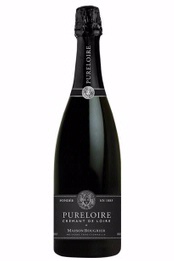 n addition to still wines, Vouvray is also home to delightful sparkling wines. Made exclusively from Chenin Blanc, this one combines the subtle fruitiness of that grape with a racy spine of bubbles. Slighter fruitier than Champagne, but similarly enlivening, it’s a good choice this summer.… Read more
Château Moncontour, Vouvray (Loire Valley, France) “Le Grand Reserve, Cuvée Prédilection” 2014
($20): 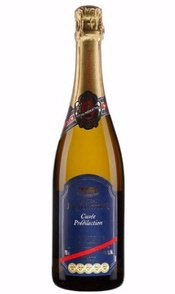 Three years aging on the lees of this Chenin Blanc-based sparkling wine explains its enormous depth and refinement. It’s a lovely expression of Vouvray, with a perfect balance of lively fruitiness backed by a firm spine. Elegant and long, it’s a good choice for simply grilled fish this summer. … Read more
Lignier-Michelot, Bourgogne Rouge (Burgundy, France) 2016
($37, Becky Wasserman Selection):
 Becky Wasserman’s name on a bottle is a sure sign of quality. Her name is never on the front label — that’s reserved for the producer and appellation. Seeing her name on the back label is a superb recommendation for a producer you may have never heard of.
 Bohigas, Cava (Spain) “Rosat” NV
($13, Polaner Selections): 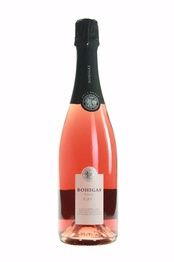 It can be difficult to find a wine to accompany Vietnamese, indeed most Asian fare, with its plethora of flavors. This Rosé Cava worked splendidly with the stellar food at the Hanoi House in New York. It was gentle enough to work as a celebratory pre-dinner drink and firm enough to cut through the spice and lemongrass. … Read more
Antoine Ogier, Tavel (Rhône Valley, France) “Etamines” 2017
($15): 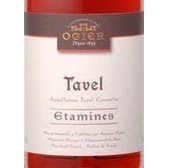 Tavel, an appellation established in 1936 solely for rosé, usually produces wines that are notably more robust than other rosé wines. Indeed, in this case, you could consider many of them as light reds, and Ogier’s, befitting the appellation, has more color and depth, balanced by vigorous acidity. … Read more
Domaine des Terres Blanches, Les Baux de Provence (France) 2016
($15): 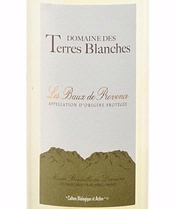 Les Baux de Provence, a small appellation in Provence that is entirely organic, is an outlier because it is known best for its red wines. That said, it’s home to some satisfying whites, such as this one. A blend primarily of Rolle (a.k.a.… Read more
Mas de Gourgonnier, Les Baux de Provence (France) 2015
($16, North Berkeley Imports; Skurnik Wines): 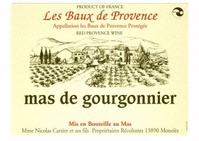 Though located in the heart of Provence, Les Baux de Provence, an appellation of barely 600 acres, is known for its reds, rather than its rosés. The allowed grapes include the usual Mediterranean suspects, Grenache, Syrah, and Carignan, among others, and, perhaps surprisingly, Cabernet Sauvignon. … Read more
Thierry Germain, Domaine des Roches Neuves, Saumur (Loire Valley, France) “L’Insolite” 2015
($40):  Thierry Germain is one of the most talented and enthusiastic winemakers in the Loire. He makes small quantities of outstanding individualistic reds and whites that are always worth the search. Take this one, for example, L’Insolite (unusual). Made from 95-year-old Chenin Blanc vines planted on silex, it conveys a hint of white flowers, minerals combined with freshness and verve.… Read more
Joseph Mellot, Sancerre (Loire Valley, France) “La Chatellanie” 2016
($26): 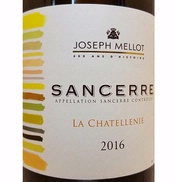 The wonderful thing about really good Sancerre is that, though made from the Sauvignon Blanc grape, it doesn’t taste like most Sauvignon Blanc, which can be raspy and vegetal. Good Sancerre, such as Mellot’s, has a chalky minerality underpinning the bite provided by the grape. … Read more
Domaine D’Aupilhac, Montpeyroux Languedoc (Languedoc – Roussillon, France) “Les Cocalières” 2016
($26, Kermit Lynch): 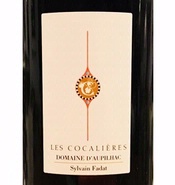 Consumers need to learn more seemingly obscure geographic names. Wine regulators in the Languedoc have identified 34 sub-regions, six of which no longer carry even Languedoc on the label and are referred to as cru, that produce more distinctive wines. … Read more
Château Bas-d’Aumelas, Languedoc AOP (Languedoc – Roussillon, France) “Barathym” 2017
($9): 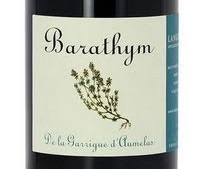 This straightforward, fruity, delightful wine perhaps does not deserve 90 points, but it gets extra credit for value. A blend of Grenache (70%) and Carignan, this fresh and lively red delivers a balanced array of red fruit flavors, spice and herbal elements. … Read more
Château Thivin, Côte de Brouilly (Beaujolais, Burgundy, France) 2015
($28): 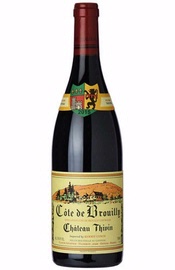 The wines from Côte de Brouilly, one of top-tier of the ten cru of Beaujolais, are not to be confused with those from Brouilly, another cru, but whose wines have less consistent quality. Although Château Thivin, one of the region’s best producers, makes a range of wines from Côte de Brouilly depending on the position of the vines on the slope, this one is a blend from several sites. … Read more
An Interesting Rarity from Burgundy
Geantet-Pansiot, Bourgogne Rouge, “Pinot Fin,” 2015 ($30 – 45):
Pinot Fin is a clone of Pinot Noir that produces smaller berries and thicker skin, according to the internationally acclaimed wine expert, Jancis Robinson. It’s rarely grown in Burgundy today, because it’s a finicky grape to grown, even more troublesome than Pinot Noir, susceptible to many diseases that result in lower yields–meaning, more expensive wine. … Read more
Will Chinese Wine be as Successful as Chinese Food?
At the end of the Concours Mondial de Bruxelles, which was held this year in Beijing, I sat amazed at how extraordinarily efficient and smoothly run this wine competition was: A dedicated sommelier for each panel of judges, perfectly timed pouring, not a drop spilled or a glass broken, a bevy of technical support assistants for the tablets judges used to record their scores, even robots transporting bottled water to be delivered to the judges’ tables. … Read more
Stewart Cellars, Sonoma Mountain (Sonoma County, California) Chardonnay 2016
($37):  Though based in Yountville in Napa, Stewart Cellars, a family-run winery established only in 2000, finds growers in Sonoma with whom to work. I, for one, am glad they did. This fine Chardonnay, for example, comes from the cooler Sonoma Mountain area, which likely explains, at least in part, its finesse. … Read more
Pedroncelli Winery, Sonoma County (California) “Friends White” 2017
($13):  One of the great things about New World winemakers is their willingness to experiment because they are not constrained by regulations. This blend of Sauvignon Blanc and Gewurztraminer (roughly 60/40) is a case in point. Where else in the world would you find a blend of those two grapes? … Read more
Kendall-Jackson, Santa Maria Valley (Santa Barbara County, California) Chardonnay Jackson Estate 2016
($32): 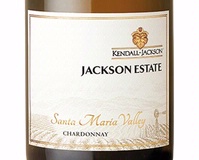 Arguably, Kendall-Jackson is largely responsible for Americans’ love of Chardonnay. So, it’s not surprising that they should expand their portfolio with site-specific bottlings of that variety. This one, from Santa Maria Valley, delivers fruity, spiced pineapple-like flavors along with the opulence for which KJ is known.… Read more
Kendall-Jackson, Santa Maria Valley (Santa Barbara County, California) Chardonnay Camelot Highlands Jackson Estate 2016
($38): 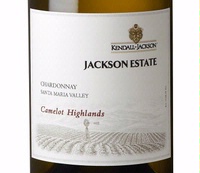 The uniqueness of Santa Maria Valley, as a whole, stems from its east-west orientation, instead of the usually north-south orientation of most California valleys. This orientation allows the cooling influence of the Pacific Ocean direct access to the vineyards. Indeed, vineyards just a few miles inland are considerable warmer, producing grapes and wines with different flavor profiles, than ones further west. … Read more
Grgich Hills Estate, Napa Valley (California) Fumé Blanc 2015
($31): 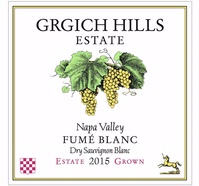 It’s hard to understand how one producer can master so many different wines. But Grgich Hills does. Their Chardonnays are iconic, certainly among California’s best. Their Cabernet Sauvignons are thrilling and develop wonderfully with bottle age. Even their Zinfandel charms. … Read more
Edna Valley Vineyards, Edna Valley (San Luis Obispo County, California) Sauvignon Blanc “Winemaker Series” 2016
($30):  A big step up from Edna Valley’s regular Sauvignon Blanc, this one, part of their Winemaker Series level, has more depth and a richer texture while maintaining vibrancy. It enlivens the palate without being aggressive. A balanced wine, it has a Sancerre-like sensibility. … Read more
Edna Valley Vineyards, Central Coast (California) Sauvignon Blanc 2016
($14): 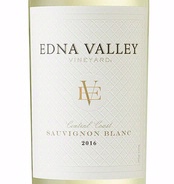 This refreshing and straightforward Sauvignon Blanc delivers a tingling bite without being aggressive. Clean and bright, it’s a well-priced go-to kind of wine for the heat and humidity that is about to descend.
86 Michael Apstein Jun 19, 2018… Read more
Segura Viudas, Cava (Catalonia, Spain) “Aria” Brut Nature NV
($14, DM Vineyards & Partners): 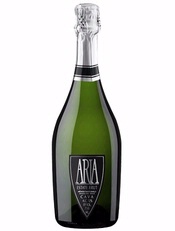 This fresh and clean bubbly has a firm, but not aggressive, spine of acidity that balances its floral fruitiness. A welcome hint of bitterness in the finish and its overall weight makes it a good choice for a variety of food — tapas or sushi anyone. … Read more
Casata Monfort, Trento (Trento-Alto Adige, Italy) Riserva 2011
($50): 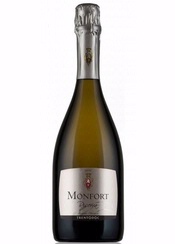
Domaine Raspail-Aÿ, Gigondas (Rhône Valley, France) 2015
($38): 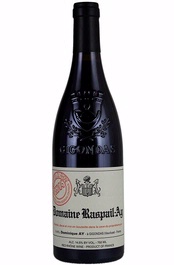 Gigondas and its more well-known brother, Châteauneuf-du-Pape, share the same level on France hierarchical appellation status: they are both one of nine cru of the southern Rhône Valley. They both use a similar blend of standard Mediterranean varieties, Grenache, Syrah, Mourvèdre, among others. … Read more
Muscadet is Morphing
The cru system–as in Grand or Premier Cru Burgundy or the cru of Beaujolais–has reached Muscadet. The growers there are doing what producers throughout the world are doing: They are defining and identifying specific areas within the broader region that are capable of producing distinctive wines. … Read more
Jordan, Russian River Valley (Sonoma County, California) Chardonnay 2016
($33): 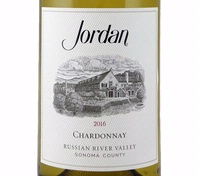 As with their splendid Cabernet Sauvignon, Jordan produces refined Chardonnay. Crisp and creamy with a display of citrus, their 2016 Chardonnay caresses, rather than assaults, the palate. It’s an elegantly styled Chardonnay whose charm reveals itself as it sits in the glass. … Read more
Writer’s Block, Lake County (California) Roussanne 2016
($18): 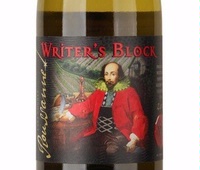 Roussanne is a grape grown in the Rhône Valley and often, along with Marsanne and Viognier, is used with to make white wines from that region. Similar to their Syrah, what’s in the bottle is far superior to what’s on the bottle, so don’t be put off by the name. … Read more
Steele, Lake County (California) Cabernet Franc 2015
($19):  Many people in the wine trade tell me that they avoid Cabernet Franc because it can deliver vegetal flavors if not entirely ripe. It can. But it can also be the basis for a spectacular wine — think Bordeaux’s Château Cheval Blanc — by providing a needed savory component. … Read more