
($52): 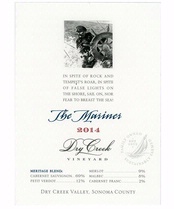 This is a Cabernet-based powerhouse Bordeaux blend that includes, in addition to that grape, Petit Verdot, Malbec (yes, it used to be, and still is, planted in Bordeaux), and Cabernet Franc. Despite its depth and power, the finely polished tannins allow for current consumption. … Read more
All posts by admin
Dry Creek Vineyard, Dry Creek Valley (Sonoma County, California) Old Vine Zinfandel 2016
($22): 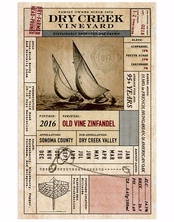 Full disclosure, I generally do not like Zinfandel, so I may be under scoring this wine. This is a masterful blend of Zinfandel (78%) from dry-farmed, 95-plus year old vineyards, Petite Sirah and Carignan. Dry-farmed vineyards ensure that the roots of the vines go deep to find water and presumably other compounds that add to the flavor of the grapes and, subsequently, to the wine. … Read more
Donnafugata, Cerasuolo de Vittorio DOCG (Sicily, Italy) “Floramundi” 2016
($30, Folio Fine Wine Partners): 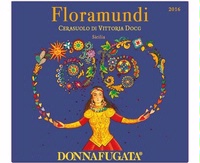 Donnafugata, one of Sicily’s top producers, has shown consistently what stunningly good wines can come from that Italian island. Donnafugata’s 2016 Cerasuolo de Vittorio, a blend of Nero d’Avola and Frappato, is a delicate light to mid-weight floral red wine with charm and vivacity. … Read more
Chianti Classico: The Times They are A-Changing
With apologies to Bob Dylan, “The Times They are A-Changing” in Chianti Classico. Three decades ago, producers were embracing the use of Cabernet Sauvignon, Merlot and other so-called “international varieties,” to bolster Sangiovese. But now, with dramatic improvements in the vineyards, growers have shown the heights that Sangiovese can achieve in Chianti Classico. … Read more
Guicciardini Strozzi, Bolgheri DOC (Tuscany, Italy) “Ocra” 2016
($30): 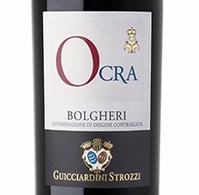 A seamless blend of Cabernet Sauvignon (40%), Merlot (40%) and Syrah, this classy red delivers far more refinement and complexity than you’d expect for the price. It conveys a touch of everything — black fruit notes, herbal nuances, and spice — and not too much of anything. … Read more
Castello di Meleto, Toscana Rosso IGT (Tuscany, Italy) “Borgaio Rosso” 2015
($12, Golden Ram Imports): 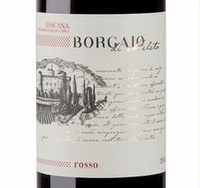 Borgaio di Meleto is a second label of Meleto, one of the top Chianti Classico producers. A value-packed juicy blend of Sangiovese (70%) and Merlot, this mid-weight red delivers both fruity and herbal elements. Surprising complexity for a wine of this price likely comes from a touch of oak aging in large old barrels. … Read more
Castello di Meleto, Chianti Classico DOCG (Tuscany, Italy) 2016
($20, Golden Ram Imports): 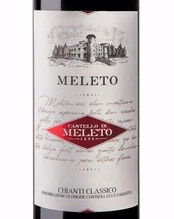 Castello di Meleto, a top Chianti Classico producer based in Gaiole, has abandoned new French oak barrels for aging their Chianti Classico and eliminated the international varieties, Cabernet Sauvignon and Merlot, in the blend. Instead, the wine is 100 percent Sangiovese that has been aged in large old Slavonian oak barrels. … Read more
Castello di Meleto, Chianti Classico DOCG (Tuscany, Italy) Vigneti Casi Riserva 2013
($25, Golden Ram Imports): 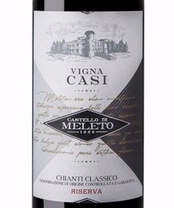 The wines from Castello di Meleto need to be re-visited because the current releases deliver extraordinary pleasure for the price. This marvelous Chianti Classico Reserva from their Vigneti Casi vineyards is both juicy and polished with a gorgeous texture. … Read more
Guicciardini Strozzi, Bolgheri DOC (Tuscany, Italy) “Ocra” 2016
($30): A seamless blend of Cabernet Sauvignon (40%), Merlot (40%) and Syrah, this classy red delivers far more refinement and complexity than you’d expect for the price. It conveys a touch of everything — black fruit notes, herbal nuances, and spice — and not too much of anything. … Read more
Schiopetto, Collio (Friuli Venezia Giulia, Italy) Friulano 2016
($30): 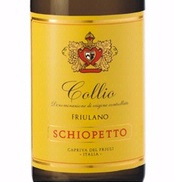 White wines of Italy are often overlooked because of the stature of the country’s reds. Schiopetto, one of the top producers in the Collio, shows the heights that white wines can achieve in Italy. This 2016 Friulano amazes with its lanolin-like texture.… Read more
Meerlust’s Rubicon: A South African Icon
“He made me an offer I couldn’t refuse,” quipped Hannes Myburgh, the 8th generation of the family that owns Meerlust, in response to a potential conflict with Francis Ford Coppola over names. Coppola and his wife own the legendary Napa Valley Winery, Inglenook, whose flagship red wine is also labeled Rubicon. … Read more
Raphael, New York (United States) Riesling 2017
($17): 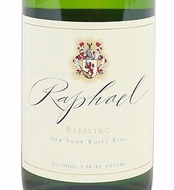 The problem for consumers with Riesling is knowing the level of sweetness since the grape is capable of producing superb bone-dry wines as well as gloriously sweet ones. Raphael, one of top properties on Long Island’s North Fork, helps by indicating on the back that their Riesling is semi-sweet. … Read more
Carpenè Malvolti, Veneto (Italy) Rosé, Cuvée Brut NV
($18, Angelini Wine, Ltd): 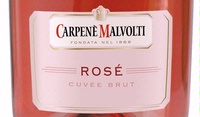 Carpenè Malvolti, a top Prosecco producer, has fashioned this rosé bubbly from Pinot Noir (85%) and Rabosco, grown in the Veneto. Since rosé is not recognized as Prosecco category, this wine carries no legal designation. But don’t let that bother you. … Read more
Tenute Silvio Nardi, Rosso di Montalcino (Tuscany, Italy) 2015
($26, Kobrand Wine & Spirits): 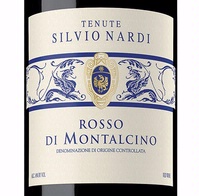 Silvio Nardi is one of Brunello’s top producers. Always traditionally framed, you’ll never feel or taste a predominance of oak or wood in their wines. This Rosso comes from grapes grown vineyards some of which are designated for Rosso and some of which are designated for Brunello. … Read more
Tenute Silvio Nardi, Brunello di Montalcino (Tuscany, Italy) 2012
($58, Kobrand Wine & Spirits): 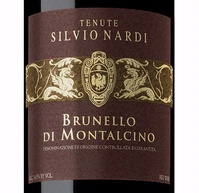 In addition to their Rosso di Montalcino, Tenuta Silvio Nardi producers three Brunelli, all of which are different and all of which I recommend highly. Indeed, their two single vineyard bottlings show the diversity of this region. … Read more
Tenute Silvio Nardi, Brunello di Montalcino (Tuscany, Italy) Poggio Doria 2012
($106, Kobrand Wine & Spirits): 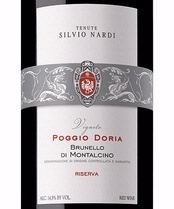 Tenuta Silvio Nardi’s Poggio Doria comes from a parcel, Oria, in their Casale del Bosco estate, which is located in the northwest portion of the Brunello zone. Volcanic soil here helps explain its firmness and tighter profile. … Read more
Tenute Silvio Nardi, Brunello di Montalcino (Tuscany, Italy) Manachiara 2012
($98, Kobrand Wine & Spirits): 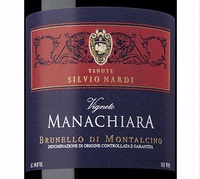 Silvio Nardi’s Manachiara estate, located in the eastern portion of the Montalcino zones, comprises about 550 acres, of which about 125 are planted. This Brunello is always explosive and the 2012 is no exception. Its gorgeous aromatics grab your attention immediately. … Read more
Michele Chiarlo, Barbera d’Asti (Piedmont, Italy) “Le Orme” 2015
($14, Kobrand Wine & Spirits): 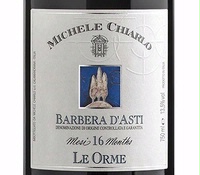 Barbera is often a “go-to” wine for Italian food because its inherent acidity keeps it juicy and lively throughout the meal. The difficulty is that the spectrum of Barbera is enormous, from astringent and hard to swallow to captivating. … Read more
Michele Chiarlo, Barolo (Piedmont, Italy) “Tortoniano” 2013
($51): 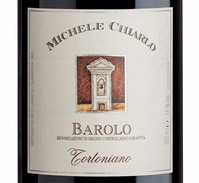 This marvelous Barolo comes from grapes grown in the Cerequio and Sarmassa vineyards. It’s classically proportioned, with a Burgundian-like sensibility of “flavor without weight.” Elegant and refined, it packs plenty of flavor without a trace of heaviness. Substantial, yet not aggressive tannins, in the finish remind you it’s a youthful Barolo. … Read more
Michele Chiarlo, Barolo (Piedmont, Italy) Cerequio 2013
($103, Kobrand Wine & Spirits): 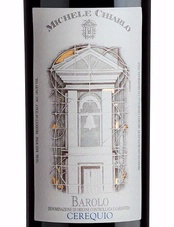 With the trio of producer, vintage and vineyard going for it, it’s not surprising that Chiarlo’s Cerequio is outstanding. The 2013 vintage in Barolo was very successful. Chiarlo is a top producer and Cerequio is a great vineyard. … Read more
Michele Chiarlo, Barolo (Piedmont, Italy) Cannubi 2013
($100, Kobrand Wine & Spirits): 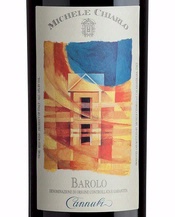 OMG, as good as Chiarlo’s 2013 Cerequio is, their Cannubi is just better. It stops you in your tracks. Chiarlo owns about 3 acres of Cannubi, which is Barolo’s most famous vineyard. They are so selective and quality-oriented that they usually wind up using only half of their Cannubi crop for this wine. … Read more
The Conundrum of Assigning Points
Maison Louis Latour’s 2015 Domaine de Valmoissine Pinot Noir (IGP Var, $14) epitomizes the difficulty of assessing wines by assigning a number to them. Do you judge them among their peers or on an absolute scale? And how does value–ratio of enjoyment to price–figure in the final number?… Read more
Dutton Estate, Russian River Valley (Sonoma County, California) Pinot Noir Dutton Ranch “Karmen Isabella” 2016
($46): 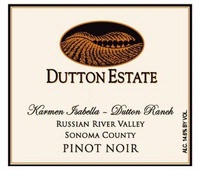 There’s plenty going on in the broad-shouldered Pinot Noir. Savory leafy elements and spice complement and offset the ripe black fruit notes. Suave supple tannins lend support without being intrusive. A touch of heat in the finish — from the 14.2 percent stated alcohol — perturbs this otherwise nicely balanced wine.… Read more
Marjan Simcic, Goriska Brda (Slovenia) Rebula Medana Jama “Opoka” 2015
($35): 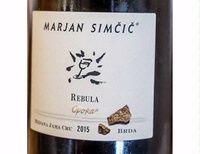 Marjan Simcic, one the region’s top producers, has three tiers of wines made from Rebula (aka Ribolla Gialla). This one, from a single vineyard with 62-year old vines, is at the pinnacle. He ferments these white grapes for 16 days with the skins, just as he does for his reds, and then ages the wine in large and small oak barrels for up to two years. … Read more
Mionetto, Prosecco Treviso DOC (Veneto, Italy) Brut NV
($13): 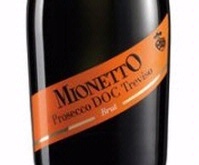 With a lot of producers taking advantage of the popularity of Prosecco and producing vapid characterless swill, it’s a pleasure to find a bottle of the real thing. Clean and refreshing, this one has a welcome hint of bitterness in the finish that actually amplifies the wine’s fruitiness.… Read more
Jermann, Friuli DOC (Friuli-Venezia Giulia, Italy) Pinot Grigio 2017
($23): 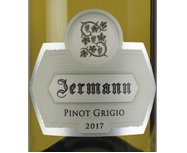 Pinot Grigio has become so popular that, for many, it is a commodity, as in “I’ll have a glass of Pinot Grigio…” with no sense of site or producer. The result is that a bevy of innocuous watery Pinot Grigio have diluted (no pun intended) the wine’s reputation. … Read more
Laherte Frères, Champagne (France) “Ultradition” Rosé NV
($50, Polaner Selections): 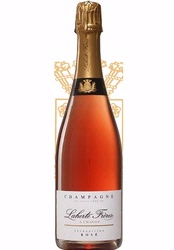 Made entirely from Pinot Meunier, this powerful yet graceful Champagne, shows how that grape, in the right hands, can excel. The Pinot Meunier comes from old vines, which likely explains the wine’s elegance because that grape is more often used to bring fruitiness, not finesse, to the blend. … Read more
Domaine Pinson, Chablis 1er Cru (Burgundy, France) La Forêt 2016
($44): 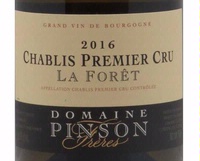 Pinson, one of my favorite Chablis producers, makes wines, even their village Chablis, that are focused, precise and well-priced. This one, from a lesser known site, is quintessential Premier Cru Chablis, delivering a fine flinty stony signature that expands in the glass, but never becomes heavy or ripe. … Read more
In the October 2018 Decanter, Michael Apstein examines Don Melchor: 23 vintages from inception to current release
Dutton Estate, Russian River Valley (Sonoma County, California) Chardonnay Dutton Ranch “Kyndall’s Reserve” 2016
($42):  With its 14.7 percent stated-alcohol, this is a broad-shouldered Chardonnay. Fruit-focused and framed with subtle flavors from oak aging, it is actually balanced considering its size. Its overt, up-front flavors would go well with sautéed veal or a roast chicken.… Read more
La Crema, Sonoma Coast (Sonoma County, California) Pinot Noir 2016
($25):  La Crema sources the grapes for this Pinot Noir from the potentially better-suited vineyards on the Sonoma Coast. Compared to their Monterey bottling, the sweetness in this one is replaced by bright, ripe red fruit notes mixed with alluring herbal and leafy flavors. … Read more
La Crema, Monterey (Central Coast, California) Pinot Noir 2016
($23):  It’s difficult to find reasonable Pinot Noir under $25 a bottle because it is a difficult grape to grow and even more difficult to turn into wine, especially if the producer doesn’t limit yield. In this one, La Crema balances a hint of cherry-like sweetness with briary elements. … Read more
Marqués de Murrieta, Rioja Reserva (Spain) 2014
($26): 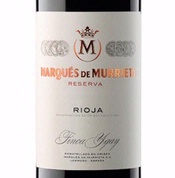 This mid-weight red is a spectacular bargain, which should not come as a surprise because Marqués de Murrieta is one of the leaders in the Rioja. A blend of mostly Tempranillo (84%) with Graciano, Mazuelo and Garnacha, it manages to delivers both fruity and savory elements enrobed by fine tannins. … Read more
Bodegas Terras Gauda, O Rosal, Rias Baixas (Spain) 2017
($21): 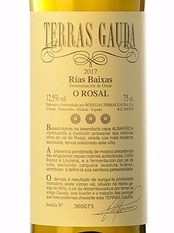 O Rosal, named for a sub-region of Rias Baixas, is the flagship of Bodegas Terras Gauda, one of the region’s top producers, according to their website. The addition of Caiño and Loureiro to the blend adds roundness and complexity to the cutting spiciness that Albariño, the predominant grape of the region, brings to the table. … Read more
Luis Anxo Rodriguez Vázquez, Ribeiro (Galicia, Spain) “Eidos Ermos” 2016
($16, Skurnik Wines): 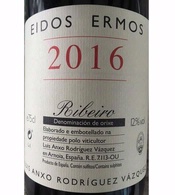 Luis Anxo Rodriguez Vázquez has at least two things working against him, his size and location. He has just over 12 acres spread over 100 tiny plots in the rather obscure DO of Ribeiro. What he has going for him is the ability to make excellent wine. … Read more
Llopart, Cava (Spain) Brut Nature Reserva 2015
($23): 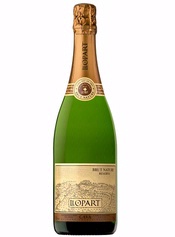 Llopart consistently gets it right because they are one of the oldest producers of Cava. The Brut Nature category requires the best grapes because regulations require that sugar, which could potentially mask flaws, may not be added during dosage. Unsurprisingly, Llopart got it right with this 2015 Reserva. … Read more
Famille Hugel, Alsace (France) Gewurztraminer “Classic” 2014
($23, Frederick Wildman and Sons): 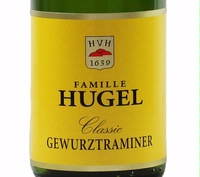 Gewürztraminer, with its overtly spicy and floral components, is a wine people either love or hate. Although I’m in the “love” category, I still find it frustrating because of the unknown level of sweetness it conveys, from steely dry to rather sweet. … Read more
Grgich Hills Estate, Napa Valley (California) Chardonnay Estate Grown 2015
($43): 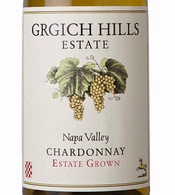 Grgich Hills Estate is certainly among California’s leading producers across the board, and especially for Chardonnay. Indeed, year in and year out, they produce excellent examples. This wonderfully full-bodied wine manages to maintain balance with zippy crisp acidity and whiff of smokiness. … Read more
Grgich Hills Estate, Napa Valley (California) Chardonnay “Legacy Selection: Paris Tasting Commemorative” 2015
($95): 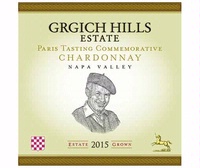 As much as I love Grgich’s “regular” (though there’s nothing at all regular about it) Chardonnay, this Legacy Selection is just show-stopping. For all its power and intensity, it is amazingly refined and graceful. The phrase, “iron fist in a velvet glove,” is usually reserved for red wines, but it is equally applicable here. … Read more
Eugenio Collavini, Friuli Colli Orientali (Friuli Venezia Giulia, Italy) Ribolla Gialla Turian 2016
($25): 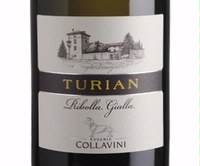 I love the sound — ree-bow-la jala — when ordering this wine. The only problem is the plethora or styles — barrel fermented, orange or this beautifully fresh and vibrant version by Collavini. There is no warning on the label alerting the consumer to the style, so once again, it’s producer, producer, producer. … Read more
Eugenio Collavini, Vino Spumante di Qualitá (Friuli, Italy) Ribolla Gialla Brut 2014
($20): 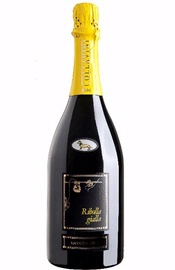 You’re excused if you’ve never heard of the Ribolla Gialla grape, which is unique to the Fruili region in northeastern Italy and adjacent Slovenia. Even most of those who have heard of the grape don’t realize that it can be used for sparkling wine as well as still. … Read more
Bouvet-Ladubay, Crémant de Loire (Loire Valley, France) “Brut Excellence” 2015
($17, Kobrand Wine & Spirits): 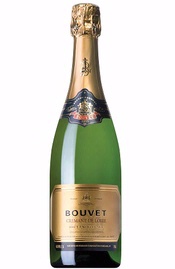 Taittinger, a top Champagne house, has owned Bovet-Ladubay since the mid-1970s and that likely explains, at least in part, the wine’s elegance and focus. A blend of Chenin Blanc and Chardonnay, this bubbly is steely, crisp, and refreshing. … Read more
Georges Duboeuf, Pays d’Oc (Languedoc, France) Chardonnay 2017
($12, Quintessential): 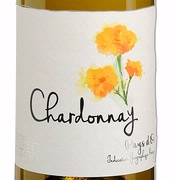 Georges DuBoeuf, whose name is synonymous with Beaujolais and Flower Bottles, is expanding yet again to the south of France. He’s no stranger to Chardonnay, bottling some excellent examples from closer to home in the Mâconnais, such as a delightful Mâcon-Villages and an even more up-scale Pouilly Fuissé. … Read more
Lucien Albrecht, Alsace (France) Gewurztraminer Reserve 2016
($22, Foley Family Artisan Imports & Spirits): 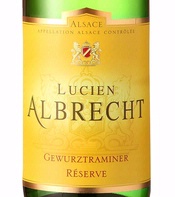 Gewürztraminer, a wine that consumers either love or hate, can be challenging to order because its level of sweetness varies. Fortunately, Albrecht has placed a sweetness scale used by many Riesling producers on the back label to guide consumers. … Read more
Léon Beyer, Alsace (France) Gewurztraminer 2015
($28, Banville Wine Merchants): 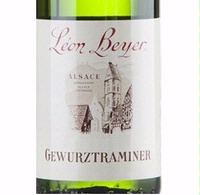 Léon Beyer is a good name to remember when buying Alsace wines because theirs are always precise and excellent. This Gewürztraminer, for example, his bone dry, almost steely, accented by the spiciness for which the grape is known. … Read more
Mt. Beautiful, North Canterbury (New Zealand) Pinot Noir 2016
($29, Broadbent Selections): 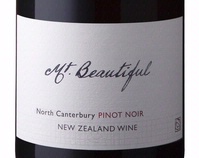 Truly beautiful. It delivers the classic balance of earth and fruit that makes Pinot Noir a unique grape. Plenty of leafy savory notes balance dark fruit flavors in this refined wine. Fine tannins make it a joy to drink now. … Read more
Feudi di San Gregorio, Falanghina del Sannio (Campania, Italy) 2017
($14, Terlato Wines International): 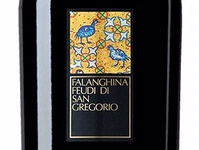 Floral and fruity with mouth-cleansing zestiness, this Falanghina is ideal for summer sipping — and drinking. Enhanced by a hint of an almost white pepper-like spice, it is a tremendous value to cut through August’s humidity and accompany light pasta dishes or simply grilled fish.… Read more
Domaine Spiropoulos, Mantinia (Peloponnese Peninsula, Greece) Moschofilero 2015
($15, Athenee Importers and Distributors): 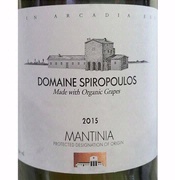 The Moschofilero grape has a pinkish purplish skin, which explains why this wine has a delicate pink hue, not enough color for a rosé, but enough to make you wonder. One sip, however, tells you this wine has more character than most rosés. … Read more
Claude Branger, Muscadet Sèvre et Maine Sur Lie (Loire Valley, France) “Le Fils des Gras Moutons” 2016
($13, Vintage ’59 Imports): 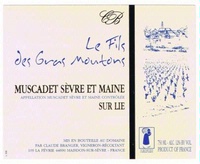 Claude Branger along with his wife, Thérèse, and son, Sébastien, run this family property, also known as Domaine Haut Févrie. They are an exceptional team, insisting on hand harvesting, which is unusual in Muscadet, and committed to converting fully to organic production. … Read more
Aimé Boucher, Rosé d’Anjou (Loire Valley, France) 2017
($13, Vintners Alliance): 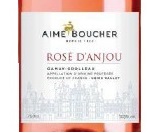 Rosé d’Anjou always has a hint — sometimes more — of sweetness since regulations require a minimum of 7 grams of residual sugar per liter. In my mind, the residual sugar in this rosé does what it does in German Kabinett wines: it amplifies the fruitiness without imparting a cloying sweetness because of the wine’s inherent vibrant and balancing acidity. … Read more