
($44, Kobrand Wine & Spirits): 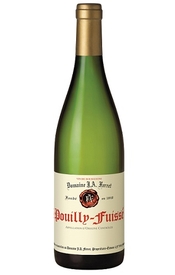 Ferret has always been one of the top names in Pouilly-Fuissé, being one of the first to move from bulk to bottled wine after World War II to ensure quality. Since being acquired by Beaune-based Maison Louis Jadot in 2008, Ferret’s wines have reached new heights, no doubt, in part due to Audrey Braccini, their exceptionally talented winemaker. … Read more
Category Archives: France – Burgundy
Update from Burgundy: Hot, But Not 2003…At Least Not Yet
Record-breaking temperatures hit France and elsewhere in Europe recently with Beaune, in the heart of Burgundy, recording temperatures of over 100 degrees. While those kinds of 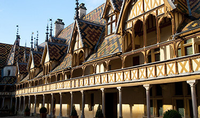 temperatures are common in California wine country, they are rare in Burgundy and immediately raise the question: How the vines and grapes faring?… Read more
Affordable Burgundy by Michael Apstein from Canada’s Quench Magazine
Château Ducru-Beaucaillou, Saint Julien, Médoc (Burgundy, France) “Croix de Beaucaillou” 2011
($50): 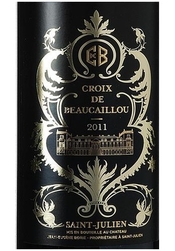 In 1995, as part of his upgrading of Château Ducru-Beaucaillou, Jean-Eugène Borie introduced a “second” wine, Croix de Beaucaillou, which since 2005 has been a separate wine made from a separate vineyard that lies half-way between Lalande-Borie and Ducru-Beaucaillou itself. … Read more
Lucien Muzard et Fils, Santenay Premier Cru (Burgundy, France) Maladière Vieilles Vignes 2017
($42, Polaner Selections): 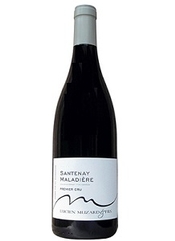 The 2017 red Burgundies fall into two categories: forward and charming ready-to-drink wines and more structured ones suitable for the cellar. This Santenay falls into the first category. I attribute its amazing gracefulness, especially for Santenay, to the old vines in the hands of a talented producer. … Read more
Nicholas Maillet, Mâcon-Verzé (Burgundy, France) “Le Chemin Blanc” 2017
($42, Polaner Selections): 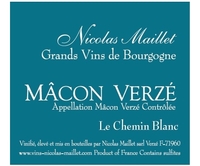 Though the 2017 vintage in Burgundy was stylistically inconsistent for reds, the white Burgundies were generally better and more consistent. And that’s true for the white wines from the Mâconnais. Fortunately, and luckily for consumers, Maillet recently has started bottling their wines instead of selling them to the local co-op. … Read more
Ballot Millot, Bourgogne Blanc (Burgundy, France) 2017
($31, Polaner Selections): 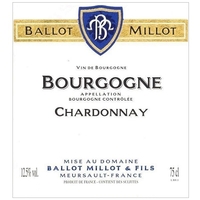 Ballot Millot, a small grower based in Meursault, makes a consistently good line-up of Burgundy, both red and white. With the prices of Burgundy going through the roof, consumers need to look to Burgundies with less prestigious labels, such as Bourgogne Blanc instead of Meursault. … Read more
Domaine Parent, Pommard (Burgundy, France) La Croix Blanche 2012
($70): 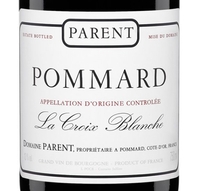 Though not the current release, consumers need to be aware of this wine since it is still available. Domaine Parent, clearly one of the top growers in Pommard, opts to bottle this village wine separately because Anne Parent, who runs the domaine with her sister, Catherine, believes it is distinctive. … Read more
Domaine Sylvain Langoureau, Meursault-Blagny Premier Cru (Burgundy, France) La Piece Sous le Bois 2016
($60):  The vineyards of Blagny, a hamlet located high on the slope in Puligny-Montrachet, spread over both that village and the village of Meursault. So, it’s not surprising that the wines from Meursault-Blagny have a mineral-like resemblance to those from Puligny. … Read more
Domaine Joblot, Givry Premier Cru (Burgundy, France) “L’Empreinte” 2017
($47, Polaner Selections): 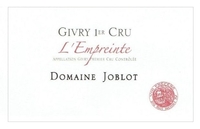 With the sky-high prices of wines from the Côte d’Or, consumers who love the Pinot Noir and Chardonnay-based wines from Burgundy must look elsewhere within that region. Givry, in the Côte Chalonnaise, is a good place to start, especially with the wines from Domaine Joblot, one of the top producers in the appellation. … Read more
Trapet Père et Fils, Bourgogne Passetoutgrains (Burgundy, France) “A Minima” 2017
($28, Polaner Selections): 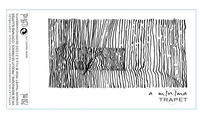 Trapet Père et Fils, one of the great growers based in Gevery-Chambertin, makes outstanding wines from that village and neighboring villages, such as Marsannay. They also make this under-the-radar wine with an eye-catching nearly blank label with tiny letters.… Read more
Benjamin Leroux, Bourgogne Blanc (Burgundy, France) 2016
($35, Vineyard Roads):
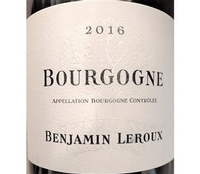 This is a fabulous value. Benjamin Leroux, the former winemaker at Comte Armand, the famed Pommard property, established his own estate in 2007. Now, like many small estates, has both his own grapes and buys some from growers he’s known over the years.
 Benjamin Leroux, Auxey-Duresse (Burgundy, France) 2016
($45, Vineyard Roads): 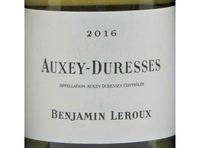 Auxey-Duresses, a village slightly off Burgundy’s the beaten track, offers great values precisely for that reason. This white Burgundy punches far above its lowly village appellation, delivering bright and cutting minerality along with a hint of creaminess. Another bargain for what it is and another case in my cellar.… Read more
Domaine Bouzereau-Gruère, Chassagne-Montrachet (Burgundy, France) Blanchot Dessous 2016
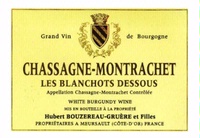
($48, AP Imports): This wine exemplifies the confusion surrounding Burgundy. The vineyard, Blanchot, is divided into two parts, Blanchot Dessus (dessus means “upper”) and Blanchot Dessous (dessous means lower). Blanchot Dessus is a classified as a Premier Cru, while the lower part, is just a village wine. … Read more
Domaine Bryczek, Morey Saint Denis (Burgundy, France) Clos Salon 2016
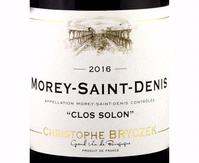
($50, AP Imports): The 2016 vintage in Burgundy was plagued by calamitous weather causing significantly reduced yields in many locales and more than normal variability in quality throughout the region. Some producers wound up making small amounts excellent wine, while others wound up with wines that were out of balance. … Read more
The Mother of All Wine Auctions
All hospitals have a Director. But only one–Les Hospices de Beaune–has a Director of Winemaking. (As a physician, I am especially interested in seeing that organizational chart.) The hospital needs a director of winemaking because it owns vineyards–over 150 acres of them, 85 percent of which are classified as Premier and Grand Cru, making it one of the largest vineyard owners in Burgundy. … Read more
Domaine Mee Godard, Morgon (Beaujolais, Burgundy, France) Grand Cras 2017
($32): Realizing the diversity of soils within Morgon, the wine producers there divided that appellation into six fairly large (averaging about 450 acres) climats, one of which is Grand Cras. This one, from Mee Godard, one of the rising stars in Morgon, comes from a single 1-acre plot of 20-year-old vines. … Read more
The 2017 Burgundies
Everyone was smiling during my visit to Burgundy last month. The cellars were, after all, chock full of wine after two good-sized vintages. At Maison Louis Jadot, the barrel cellars were filled to the brim. For the first time ever, barrels were stacked three high in a cellar designed for just two tiers.
… Read more Maison Joseph Drouhin, Saint-Véran (Burgundy, France) 2017
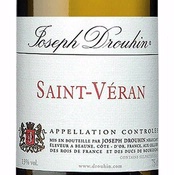
($18, Dreyfus, Ashby & Co.): The wines from Saint-Véran, a small appellation surrounding its more famous cousin, Pouilly-Fuissé, can offer exceptional value, especially when produced by someone like Drouhin. Made entirely from Chardonnay, Drouhin’s Saint-Véran combines a lovely stoniness characteristic of the appellation and a hint of creamy seductiveness with the elegant and lacy Drouhin style. … Read more
Maison Joseph Drouhin, Mâcon-Lugny (Burgundy, France) Les Crays 2017
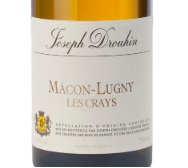
($16, Dreyfus, Ashby & Co.): Véronique Drouhin explained that they have always purchased grapes from a variety of growers who have holdings in Les Crays, but this is the first year they decided to put the name of that lieu-dit (vineyard) on the label. … Read more
Domaine Mee Godard, Moulin-à-Vent (Beaujolais, Burgundy, France) Michelons 2017
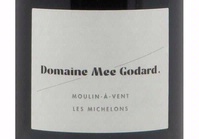
($27): Godard just acquired a vineyard in Moulin-à-Vent, expanding her holdings to about 16 acres in total. Au Michelon, located in the northern part of Moulin-à-Vent, has dark stones and dark sandy soil, according to Godard, which she says gives the wine a combination of power and elegance. … Read more
Domaine Mee Godard, Morgon (Beaujolais, Burgundy, France) Corcelette 2017
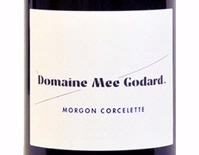
($29): Mee Godard, a young woman originally from Korea, is one of the rising shining stars of Beaujolais. Her wines are not to be missed because of their precision and distinctiveness, not to mention their sheer deliciousness. Located in Morgan, she bottled three different wines in 2017 from various climats (vineyards) in that cru, Corcelette, Côte de Py and Grand Cras. … Read more
Domaine Mee Godard, Morgon (Beaujolais, Burgundy, France) Côte de Py 2017
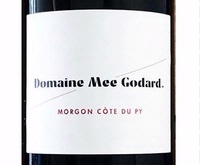
($37): The union of Morgon producers divided Morgon into six climats according to soil type about 50 years ago, according to Godard. Now, more and more producers there — and in Moulin-à-Vent as well — are putting these sites on labels. … Read more
Domaine Louis Latour, Pernand-Vergelesses 1er Cru (Burgundy, France) En Caradeux 2016
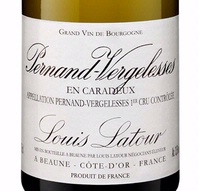
($37, Louis Latour USA): Latour’s En Caradeux, which always over delivers for the price, is true to form in 2016. Pure and delicate, the wine is nonetheless rich and long. It has the classic focus and harmony of Latour’s wines. This exhilarating wine shows there are still well-priced Burgundies. … Read more
Simonnet-Febvre, Chablis Grand Cru (Burgundy, France) Preuses 2016
($55, Louis Latour USA): 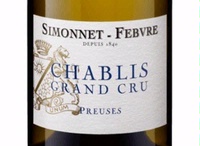 Simonnet-Febvre’s 2016 Preuses is an exceptional wine at an exceptional price. Full-bodied with exotic undertones, it nonetheless conveys the firm minerality of great Chablis. Zesty, not shrill, the flavors jump from the glass and persist. A seemingly endless finish just adds to the appeal of this energetic wine.… Read more
Simonnet-Febvre, Chablis 1er Cru (Burgundy, France) Fourchaume 2016
($35, Louis Latour USA): 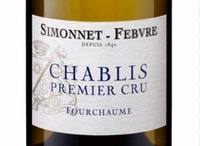 The Fourchaume vineyard, which sits adjacent to the strip of Grand Cru vineyards in Chablis, is considered to be among the top 1er Cru vineyards. This wine has the added richness and depth characteristic of Fourchaume without scarifying any verve or energy. … Read more
Maison Louis Jadot, Bouzeron (Burgundy, France) “Domaine Gagey” 2016
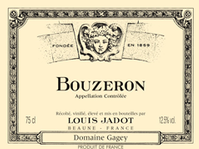
($29, Kobrand Wine & Spirits): Bouzeron is the only white wine appellation in Burgundy that prohibits Chardonnay in favor of another grape, Bourgogne Aligoté, because the soil is particularly well-suited to it. Although wines labeled Bourgogne Aligoté can been thin and harsh, the wines from Bouzeron generally are not. … Read more
Domaine Paul Pernot, Bourgogne Blanc (Burgundy, France) Chardonnay 2017
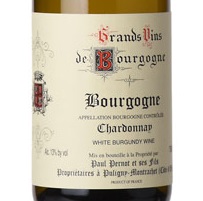
($26): Domaine Paul Pernot, one of the leaders in Puligny-Montrachet, seemingly can do no wrong with their white wines. Year in and year out, my notes indicate you can buy any of his white wines and be happy. Take this Bourgogne Blanc, which comes exclusively from Chardonnay grown in plots located just outside the delineated area of Puligny-Montrachet. … Read more
Domaine Louis Latour, Aloxe-Corton 1er Cru (Burgundy, France) Les Chaillots 2016
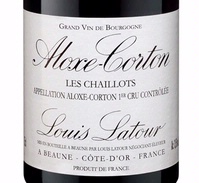
($75, Louis Latour USA): Les Chaillots is one of the many vineyards where Louis Latour owns vines. Hence the labeling, Domaine Louis Latour. The 2016 vintage received a bad rap because of the horrible weather that reduced yields dramatically. The weather may have been bad, but many of the 2016s, such as this one, are excellent. … Read more
Château Thivin, Côte de Brouilly (Beaujolais, Burgundy, France) 2017
($28, Kermit Lynch):  Château Thivin is THE producer Côte de Brouilly, one of the ten crus of Beaujolais, which sits on a small ancient volcanic cone. The Geoffray family purchased the estate, which had been in existence since the 12th century, in 1877. … Read more
Château Thivin, Brouilly (Beaujolais, Burgundy, France) “Reverdon” 2017
($24, Kermit Lynch): 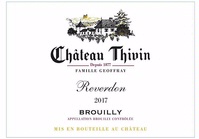 Château Thivin owns about 18 acres of this 65-acre east-facing vineyard in Brouilly, the largest and most southern of Beaujolais’ ten cru. Lighter and fruitier than their Côte de Brouilly, it still conveys underlying minerality because of the rose-granite soil in the vineyard. … Read more
Domaine Pinson, Chablis 1er Cru (Burgundy, France) La Forêt 2016
($44): 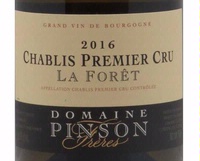 Pinson, one of my favorite Chablis producers, makes wines, even their village Chablis, that are focused, precise and well-priced. This one, from a lesser known site, is quintessential Premier Cru Chablis, delivering a fine flinty stony signature that expands in the glass, but never becomes heavy or ripe. … Read more
Maison Roche de Bellene, Coteaux Bourguignons (Burgundy, France) “Bellenos” Cuvée Rouge 2016
($15, Loosen Bros. USA): 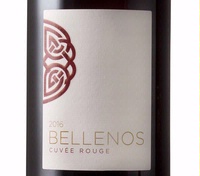 Created in 2011 and replacing the very down-market sounding appellation, Bourgogne Grand Ordinaire, Coteaux Bourguignons encompasses all vineyards from around Chablis in the north to Beaujolais in the south. For reds, the allowable grapes include Pinot Noir, Gamay, and César, a lesser-known grape grown around the Chablis area. … Read more
Pierre-Marie Chermette, Fleurie (Beaujolais, Burgundy, France) Les Garants 2016
($26, Weygandt-Metzler): 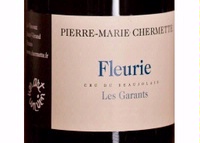 Pierre-Marie Chermette’s Fleurie Garants, though on the same pink granite soil as their Fleurie Poncié, comes from a southwest facing slope, which exposes it to warmer afternoon sun. Still highlighting the mineral component, it’s a slightly firmer, more muscular wine that maintains the incredible suaveness, which is always present in Chermette’s wines.… Read more
Pierre-Marie Chermette, Fleurie (Beaujolais, Burgundy, France) Poncié 2016
($26, Weygandt-Metzler): 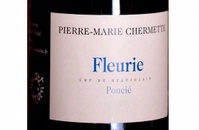 Pierre-Marie Chermette, a well-regarded producer in Fleurie, one of the cru of Beaujolais, focuses on terroir — site specificity — in keeping with the tradition in the rest of Burgundy. Chermette produces two excellent, but very different Fleurie, this one from Poncié and one from a slope called Garants.… Read more
Maison Louis Latour, Montagny 1er Cru (Burgundy, France) La Grande Roche 2015
($22, Louis Latour USA): 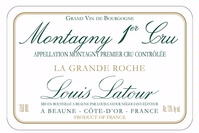 The 2015 vintage in Burgundy–and most of France for that matter — produced excellent reds, with ripeness and presence. Whites were less consistent because sometimes the warmth of the vintage robbed them of needed acidity. But when producers harnessed the ripeness without losing acidity, as with this wine, the result is stunning. … Read more
Domaine Parent, Pommard (Burgundy, France) La Croix Blanche 2016
($89, A Jeanne-Marie des Champs Selection): 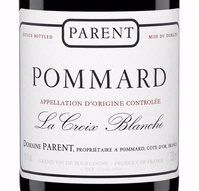 To me the talents of a producer shine when they make great wine from less than great sites. Domaine Parent does that consistently, though they also make great wine from great sites, as their 2016 Les Chaponnières shows. … Read more
Domaine Parent, Pommard (Burgundy, France) Les Chaponnières 2016
($144, A Jeanne-Marie des Champs Selection): 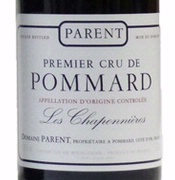 As enthusiastic as I am about Parent’s village wine, La Croix Blanche, Parent’s Les Chaponnières shows the glory of a premier cru. Although it’s a touch more powerful, it’s really the wine’s elegance and complexity that puts it into a different category. … Read more
Domaine Jacques Prieur, Clos Vougeot (Burgundy, France) 2016
($305, Frederick Wildman and Sons): 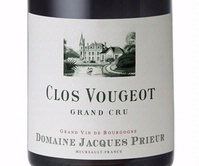 Given the horrendous weather during the 2016 growing season in Burgundy, it’s amazing that growers made any wine at all. Sadly, some did not since entire vineyards were wiped out by hail. Many producers had written off vintage, prematurely, as it turned out. … Read more
Domaine Labruyère, Moulin-à-Vent (Beaujolais, Burgundy, France) “Coeur de Terroirs” 2016
($27, Frederick Wildman and Sons): 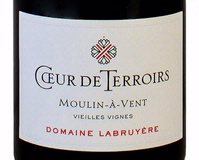 Domaine Labruyère, a serious producer based in Moulin-à-Vent, has a variety of bottlings from that Beaujolais cru. This one, a blend of grapes from older vines and aged in older oak barrels, reminds us of just how good and exciting wines from Moulin-à-Vent can be. … Read more
Domaine Labruyère, Moulin-à-Vent (Beaujolais, Burgundy, France) “Le Clos” 2016
($36, Frederick Wildman and Sons): 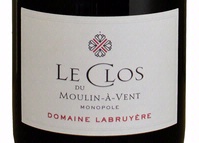 I hear it already, “How can you give Beaujolais 95 points?” First, this is not Beaujolais really; it’s from Moulin-à-Vent, arguable the best of the 10 cru of Beaujolais, which taken together, are in a class by themselves. … Read more
Lignier-Michelot, Bourgogne Rouge (Burgundy, France) 2016
($37, Becky Wasserman Selection):
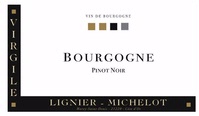 Becky Wasserman’s name on a bottle is a sure sign of quality. Her name is never on the front label — that’s reserved for the producer and appellation. Seeing her name on the back label is a superb recommendation for a producer you may have never heard of.
 Château Thivin, Côte de Brouilly (Beaujolais, Burgundy, France) 2015
($28): 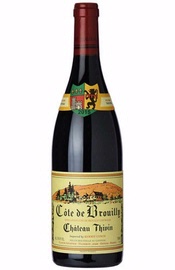 The wines from Côte de Brouilly, one of top-tier of the ten cru of Beaujolais, are not to be confused with those from Brouilly, another cru, but whose wines have less consistent quality. Although Château Thivin, one of the region’s best producers, makes a range of wines from Côte de Brouilly depending on the position of the vines on the slope, this one is a blend from several sites. … Read more
An Interesting Rarity from Burgundy
Geantet-Pansiot, Bourgogne Rouge, “Pinot Fin,” 2015 ($30 – 45):
Pinot Fin is a clone of Pinot Noir that produces smaller berries and thicker skin, according to the internationally acclaimed wine expert, Jancis Robinson. It’s rarely grown in Burgundy today, because it’s a finicky grape to grown, even more troublesome than Pinot Noir, susceptible to many diseases that result in lower yields–meaning, more expensive wine. … Read more
2015 White Burgundies: Marvelous for Current Drinking
Having tasted the 2015 Burgundies now that they have been bottled and are on retailers’ shelves, I can confirm my initial impression of the vintage –sensational for both reds and whites. Importantly, though, the character of the wines is very different depending on the color. … Read more
Maison Joseph Drouhin, Mercurey (Burgundy, France) 2015
($23, Dreyfus, Ashby & Co.):  Mercurey, a small town in the Côte Chalonnaise in Southern Burgundy, is an especially good place to look for values in 2015. The extra warmth of the vintage helped these less prestigious sites. Compared to Drouhin’s Rully, from a neighboring village in the Côte Chalonnaise, this Mercurey has more earthiness accompanying its bright fruitiness. … Read more
Nobilo, Marlborough (New Zealand) Pinot Noir “Icon” 2015
($17, Constellation Imports): 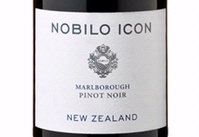 The Marlborough region on the northern end of New Zealand’s South Island is rapidly becoming known for Pinot Noir. This one imparts a pure, clean fruitiness that is, paradoxically, both intense and delicate. There’s not a trace of heaviness. … Read more
Château de Fuissé, Pouilly-Fuissé (Burgundy, France) Le Clos 2015
($69, Frederick Wildman and Sons): 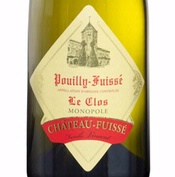 Pouilly-Fuissé doesn’t get any better than this. Le Clos, sure to be classified as a premier cru vineyard when the classification system for Pouilly-Fuissé goes into effect in the next year or so, is owned solely — a monopole — by Château de Fuissé, one of the top producers in the appellation. … Read more
Domaine Coffinet-Duvernay, Mâcon-Chaintré (Burgundy, France) “Réserve des Rochers” 2015
($12): 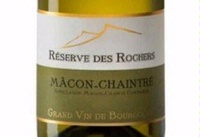 Chaintré is one of the communes that comprise the Pouilly-Fuissé appellation. If a wine comes exclusively from vineyards in the village, but lie outside of that famous appellation, they can carry the name of village instead of the more generic appellation of Mâcon-Villages. … Read more
Domaine Vaudon, Chablis 1er Cru (Burgundy, France) Montmains 2015
($35, Dreyfus, Ashby & Co.): 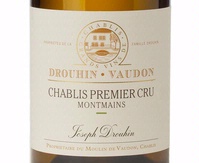 The 2015 vintage in Burgundy was outstanding for both reds and whites. Reds belong in the cellar, while the whites are delicious for earlier drinking as this one demonstrates. Domaine Vaudon is the Drouhin estate in Chablis where they make sensational wines. … Read more