
($14, Carolina Wine Company):  Paul Cluver, a family owned and run vineyard and winery, lies about 40 miles southeast of Cape Town in the cool Elgin Valley. They specialize in varietals that thrive in cooler climates, such as this Sauvignon Blanc, which has a seamless mixture of fruit and pungency. … Read more
Category Archives: WRO Reviews
Paul Cluver, Elgin (South Africa) Riesling 2012
($22, Carolina Wine Company):  The location of Paul Cluver winery in the cool Elgin Valley southeast of Cape Town explains why they excel with Riesling, a variety that thrives in cooler climes. This dry one has a touch of minerality to accompany the bracing lime-like acidity. … Read more
Domaine de la Citadelle, Luberon (Rhône Valley, France) “Gouverneur Saint-Auban” 2013
($25): Domaine de la Citadelle, one of the top producers in the Luberon and a name to remember, makes a range of wines. This wine, labeled Gouverneur Saint-Auban, is their top white (They also make a stunning red under the same moniker). … Read more
Domaine de la Citadelle, Luberon (Rhône Valley, France) “Le Châtaignier” 2013
($17): Though the Luberon is known mostly for its red wines, notable whites are popping up in that appellation. This one, from one of the region’s top producers, is a blend of mostly (70%) Clairette and Grenache Blanc. Domaine de la Citadelle has avoided heaviness, something that plagues many Rhône whites, in this wine. … Read more
Domaine de la Citadelle, IGP Vaucluse (Rhône Valley, France) “Viognier de la Citadelle” 2013
($17): The regulations for the AOP (formerly known as AOC) Luberon require the wines be made from a blend of grapes because it’s the tradition in the region. That’s why this one, made entirely from Viognier, a white grape whose home is the northern Rhône, but thrives at Domaine de la Citadelle, carries the IGP designation instead of a more prestigious AOP. … Read more
Domaine de la Citadelle, Luberon (Rhône Valley, France) “Les Artemes” 2013
($22): This wine has, not surprisingly given the blend of Grenache and Syrah, considerable muscle for a rosé. A touch of structure and spice balances the density perfectly. Alexis Rousset-Rouard, who runs the domaine, puts it nicely, “It’s a rosé for September instead of May.” … Read more
Chateau la Canorgue, Luberon (Rhône Valley, France) 2011
($17, Polaner Selections):  Though located in the southern Rhône — but really in the heart of Provence — the Luberon is cooler than one would imagine because of its elevation. That explains why Syrah, a variety found more in the northern Rhone, is such an important component of the blends. … Read more
Villa Ponciago, Fleurie (Beaujolais, France) La Réserve 2009
($20, Henriot, Inc): 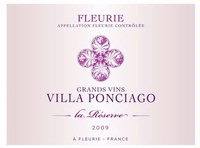 Fleurie, similar to the other nine named villages or cru of the Beaujolais region, carries its own appellation. Indeed, there’s no reference to Beaujolais on Villa Ponciago’s label. And that’s probably just as well because this wine is as far away from the typical, slightly pejorative, image of Beaujolais. … Read more
Concha y Toro, Puente Alto (Maipo Valley, Chile) Cabernet Sauvignon “Marques de Casa Concha” 2012
($22, Excelsior Wine and Spirits): 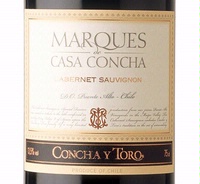 Cabernet is king in the Maipo Valley and especially Puente Alto region, which explains why some of Chile’s finest Cabernet-based wines carry this appellation. For example, Don Melchor, the iconic — and expensive ($100+) — wine from Concha y Toro, one of the country’s leading producers, hails from Puente Alto. … Read more
Grgich Hills Estate, Napa Valley (California) Chardonnay Estate Grown 2012
($42): Comparing Grgich Hills Estate’s 2012 Chardonnay with their 2013 Sauvignon Blanc puts the limitation of a numerical scoring system for rating wines into sharp relief. Since I scored the Sauvignon Blanc slightly higher than their Chardonnay that must mean that I think it’s a better wine, right? … Read more
Grgich Hills Estate, Napa Valley (California) Sauvignon Blanc “Essence, Miljenko’s Selection” 2013
($55): 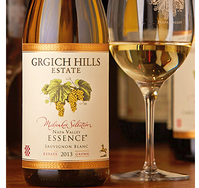 Mike Grgich embarrassed the French judges in 1976 with the Montelena Chardonnay he made that took first place in the famous Judgment of Paris. If he had been making this Sauvignon Blanc at the time, I’m sure it would have done equally well. … Read more
Bonterra, Mendocino County (California) Viognier 2013
($16): Bonterra, a label established by Fetzer in 1990, prides itself on making wine exclusively from organic grapes. Indeed, according to the California Sustainable Winemaking Alliance, it’s the number one selling brand made from organic grapes. This 2013 Viognier helps explain why. … Read more
Grgich Hills Estate, Napa Valley (California) Petite Sirah Miljenko’s Vineyard 2010
($65): Opulent and generous — it is Petite Sirah, after all — Grgich Hills Estate’s 2010 has elegance, not a word usually used to describe that varietal. Its elegance really shouldn’t be surprising because if anyone can make a stylish Petite Sirah, it’s Mike Grgich’s winemaking team. … Read more
Jackson Estate, Marlborough (New Zealand) Sauvignon Blanc “Stich” 2013
($20): The name of the wine, Stich, pays tribute to the Stichbury family who planted the vines almost 30 years ago, almost an eternity for Sauvignon Blanc in Marlborough. The distinctive, piercing Marlborough Sauvignon Blanc aroma and bite is readily apparent. … Read more
Alois Lageder, IGT Vignetti delle Dolomiti (Italy) Pinot Grigio 2013
($16, Dalla Terra Winery Direct): Alois Lageder, one of the Alto Adige’s greatest producers, makes a host of stunning single vineyard wines. They also make lower priced wines, like this one, from grapes grown in a broader area that still transmit the character of the variety and the region. … Read more
Taittinger, Champagne (France) “Comtes des Champagne” Blanc de Blancs Brut 2005
($135, Kobrand Wine And Spirits): Taittinger’s top Champagne, Comtes des Champagne is a Blanc de Blancs made from Chardonnay grown exclusively in Grand Cru villages. While the Comtes des Champagne is always one of the great prestige bottlings from the region, the 2005 is particularly noteworthy because it retains incredible vivacity despite the ripeness of that vintage. … Read more
Pascal Doquet, Champagne (France) Blanc de Blancs Brut Grand Cru 2002
($90, Robert Katcher Selections): Blanc de Blancs Champagne is rare, comprising only about five percent of all Champagne, and expensive since Chardonnay is planted only in the best sites — on the chalky soils of the small (8,000 acres) of the Côte des Blancs. … Read more
Marion-Bosser, Champagne (France) Blanc de Blancs Extra Brut NV
($55, Loubaton Imports): This producer’s Champagne was previously unknown to me. That’s my loss and I now will try to make up for lost time. Extra Brut Champagne is an extremely tough and expensive category to produce. There can be no compromise on the quality of the grapes because the extremely low dosage means that there’s little sugar to cover up whatever flaws are present. … Read more
Pol Roger, Champagne (France) Blanc de Blancs Brut 2004
($120, Frederick Wildman): 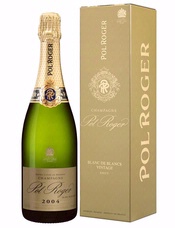 Pol Roger is one my favorite Champagne producers. Their non-vintage bottling is consistently appealing and always well priced. They are a small producer among the Grande Marque (big name) Champagne houses with only about 1.2 million bottles annually (Moët and Chandon, the largest house produces 20+ million bottles annually). … Read more
El Coto, Rioja Blanco (Spain) 2012
($12, Frederick Wildman): Rioja Blanco — yes, you read that correctly. Though 95% of wine in Spain’s famed Rioja region is red, a small — and shrinking — amount of Viura is planted as growers replace that white grape with Tempranillo. … Read more
Bodegas Muriel, Rioja (Spain) Gran Reserva 2001
($30, Quintessential Wines): 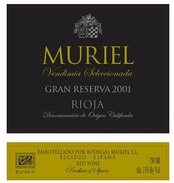 One of the great things about Rioja is their tradition of aging wine at the winery and then releasing it when it’s mature. Regulations require a Gran Reserva, which are made only in the best vintages, to be aged for a minimum of five years before release. … Read more
Domaine de Durban, Muscat de Beaumes-de-Venise (Rhône Valley, France) 2011
($30, Kermit Lynch): Muscat de Beaumes-de-Venise, a unique fortified sweet wine, has long been held in high regard, having received appellation status in 1945 and elevated to a cru, comparable to Châteauneuf-du-Pape, in 2005. Domaine de Durban, one of the appellation’s top producers, makes a consistently glorious traditionally styled wine. … Read more
Maison Louis Latour, Puligny-Montrachet Premier Cru (Burgundy, France) Les Truffières 2012
($95, Louis Latour USA): Despite the concentration of Latour’s whites in 2012, the wines still reflect their origins. This wine has a particularly stony edginess that screams Puligny-Montrachet and distinguishes it from the slightly creamier Meursault. Like Latour’s Meursault Premier Cru, Les Truffières has a welcome vibrancy that balances its riches, amplifies its finish and puts its refinement into sharp relief. … Read more
Maison Louis Latour, Meursault Premier Cru (Burgundy, France) Château de Blagny 2012
($70, Louis Latour USA): Louis Latour, one of Burgundy’s top-notch producers, hit a bull’s eye with their 2012s. The vintage produced concentrated wines and capturing acidity, especially for the whites, was a challenge. Latour succeeded brilliantly. This Meursault has a beautiful, yet not overripe, density for a premier cru in 2012. … Read more
Domaine Louis Latour, Grand Cru Corton-Charlemagne (Burgundy, France) 2012
($155, Louis Latour USA): Latour, the largest owner of Corton-Charlemagne, makes sensational wines year in and year out from that vineyard. Indeed, in my opinion, there is no better producer of Corton-Charlemagne. As expected from Grand Cru white Burgundy, Latour’s Corton-Charlemagne bottlings evolve gracefully and improve over a decade or two. … Read more
Domaine Louis Latour, Chevalier-Montrachet (Burgundy, France) Les Demoiselles 2012
($440, Louis Latour USA): Chevalier-Montrachet, a 19-acre vineyard, sits just above Montrachet on a more rocky terrain with poorer soil. In my mind, it is home to Burgundy’s most exciting white wine, marrying the richness of Montrachet with a firmness reflected by the stony site. … Read more
Domaine Louis Latour, Corton (Burgundy, France) Château Corton Grancey 2012
($150, Louis Latour USA): 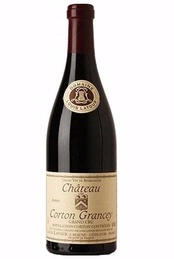 With their 67+ acres of Grand Cru vineyards, Louis Latour owns more of those precious plots than anyone else in Burgundy. They are best known for their stellar wines from the Grand Cru vineyard of Corton — both red and white. … Read more
Domaine Louis Latour, Beaune Premier Cru (Burgundy, France) Vignes Franches 2012
($80, Louis Latour USA): Consumers tend to forget that the top-tier négociants, such as Louis Latour, make wine from grapes grown in vineyards they own in addition to buying grapes from others. Indeed, Latour, one of the largest vineyard owners in Burgundy, owns a substantial parcel in Vignes Franches, one of the best premier cru vineyards in Beaune. … Read more
Domaine Louis Latour, Aloxe-Corton Premier Cru (Burgundy, France) Les Chaillots 2012
($80, Louis Latour USA): Louis Latour, top-notch négociant established in 1797, is based in the Aloxe-Corton. Since their founding, have been able to purchase prime plots there, so it’s not surprising that they make excellent wines from vineyards in that village. … Read more
Mapema, Mendoza (Argentina) Sauvignon Blanc 2011
($12, Vine Connections): This high energy edgy Sauvignon Blanc will cut through any food you put on the table. It’s grassy and electrifying and so enlivening that it could wake the dead. But it’s a really good Sauvignon Blanc–as long as you embrace that citrus-infused herbal style–and at a great price.… Read more
Bodega Alejandro Fernández, Ribera del Duero (Castilla y León, Spain) Tinto Pesquera Reserva 2010
($49, Classical Wines from Spain): Commonly just known as Pesquera, this 2010 Reserva from Ribera del Duero expands on that wine’s dazzling reputation. It has marvelous minerality, penetration and spice, all wrapped in finely polished tannins that convey a sumptuous texture. … Read more
Falesco, IGP Umbria (Umbria, Italy) “Vitiano” 2012
($11, Winebow): In 1979, Riccardo Cotarella, one of Italy’s greatest winemakers, along with his brother, Renzo, founded Falesco, a winery that has been producing exceptionally valued wines ever since. Vitiano, a blend of Merlot, Sangiovese, and Cabernet Sauvignon, delivers fruit and earthy flavors supported by fine tannins and vibrant acidity with an enchanting slight bitter finish.… Read more
Firriato, Etna Bianco (Sicily, Italy) 2013
($13, Soilair Selections): For those in need of a last minute recommendation for a Thanksgiving white, here it is. Made from mostly (80%) Carricante, an indigenous Sicilian white grape, it delivers a hint of peach-like notes without being sweet. Indeed, there’s an alluring bitter nuance in the finish along with the signature Italian bracing acidity. … Read more
Firriato, IGT Terre Siciliano (Sicily, Italy) Nero d’Avola “Chiaramonte” 2011
($15, Soilair Selections): Nero d’Avola, a grape indigenous to Sicily, has the potential to set the wine world on fire because it is capable of delivering both fruity and earthy flavors when young — as in this rendition. Herbal aromas complement the black-fruited flavors in the mid-weight wine. … Read more
Montalbera, Ruché di Castagnole Monferrato DOCG (Piedmont, Italy) “La Tradizione” 2011
($16, Soilair Selections): Ruché, an obscure grape native to Piedmont, thrives and, dare I say, achieves greatness, in the DOCG zone of Castagnole Monferrato. A savory, almost truffle-like, nose draws you. And then, with a paradoxical lightweight sensibility, it delivers an alluring mixture of sweetness and firmness. … Read more
Livon, Collio (Friuli Venezia Giulia, Italy) Pinot Grigio 2013
($17, Angelini Wine):  With all the mediocre examples of Pinot Grigio on the market, it’s understandable that those consumers really interested in wine just avoid the category entirely. As is often the case, price doesn’t separate the wheat from the chaff with many vapid ones occupying the same price point as this commendable one. … Read more
Cantina Terlano, Terlaner Classico Alto Adige (Alto Adige, Italy) 2013
($25, Banville & Jones Wine Merchants): Terlano, the name of the co-op formed in 1860, is also the name of the town, which can lead to some confusion. There’s nothing confusing about the wine, however. This harmonious blend of Pinot Bianco (60%), Chardonnay (30%) and Sauvignon Blanc combines richness with vibrancy. … Read more
Domaine de Durban, Beaumes-de-Venise (Rhône Valley, France) Vieilles Vignes 2012
($19, Kermit Lynch): 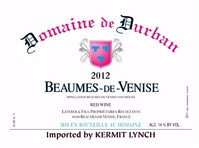 The reputation of Beaumes-de-Venise hails from it sweet wines. But the red wines from Beaumes-de-Venise were recently promoted to “cru” status, much like neighboring Gigondas. Domaine de Durban, one of the leading producers of sweet Beaumes-de-Venise, shows itself to be equally adept with the red wine. … Read more
Jean-Paul Brun, Beaujolais Blanc (Burgundy, France) 2013
($16, Louis Dressner Selections): 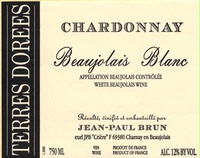 Yes, it’s the Beaujolais Nouveau time of the year, and yes, 95% of Beaujolais is red, but that’s all the more reason to draw peoples’ attention to this wonderful Chardonnay-based wine. Jean-Paul Brun under the label of Terres Dorées redefines (red) Beaujolais. … Read more
Zind-Humbrecht, Alsace (France) Gewurztraminer Herrenweg de Turckheim Vendage Tardive 2011
($33, Kobrand Wine And Spirits): 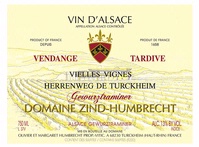 Though labeled, late harvest (“vendage tardive”), which would imply sweetness, this Gewürztraminer is not any sweeter than Zind-Humbrecht’s regular bottling. It’s just more concentrated, with a dash of botrytis-like richness and a racy vibrancy in the finish. … Read more
Dog Point Vineyard, Marlborough (New Zealand) Sauvignon Blanc 2013
($26, Vintus):  The pleasant pungency and palate awaking electricity clearly defines the origin of Dog Point’s Sauvignon Blanc. But what puts it a cut above many Marlborough Sauvignon Blanc is a subtle richness and great length. The result is a lively wine — that’s not shrill — with depth and an appealing subtly creamy texture. … Read more
Mastroberardino, Taurasi Riserva (Campania, Italy) “Radici” 2006
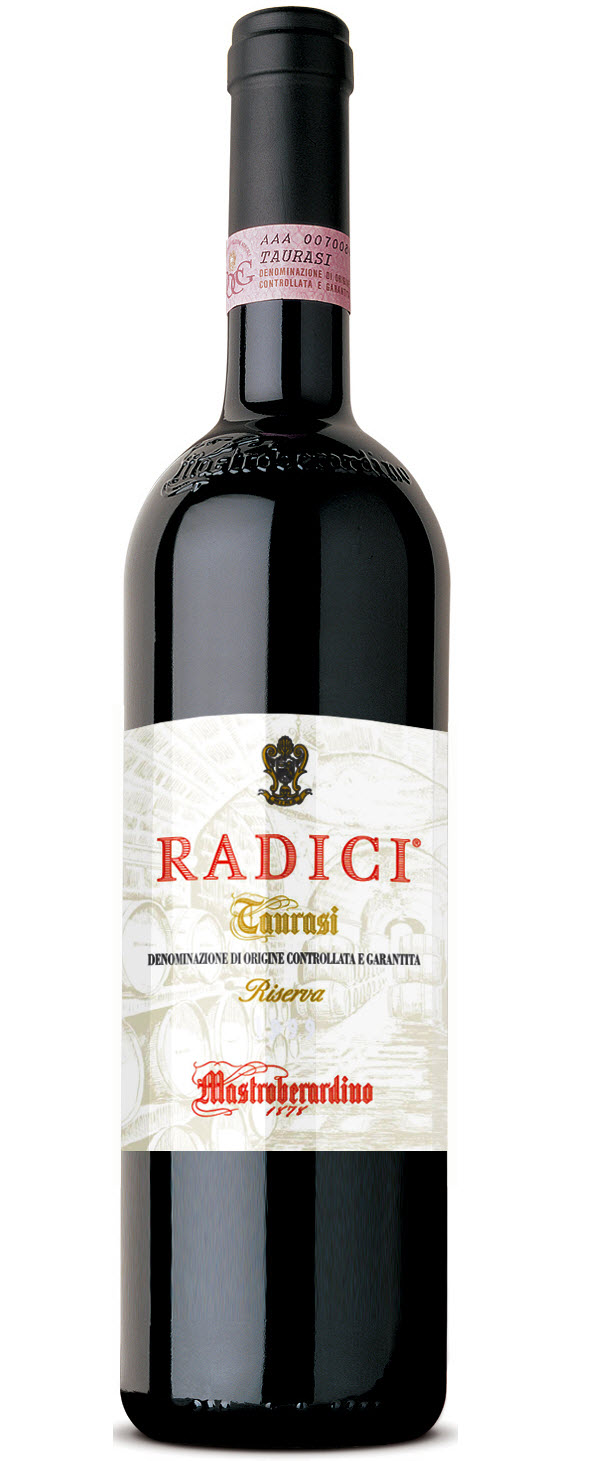 ($70, Winebow): Mastroberardino is, without doubt, one of the top producers in Campania and, indeed, in all of Italy. Their Taurasi is the benchmark for that appellation. This 2006 Riserva, amazingly still available at retail — an indication of how underappreciated these are — is sensational. … Read more
Domaine des Baumard, Savennières (Loire Valley, France) 2010
($22): 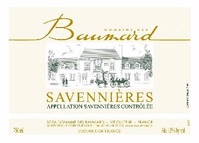 Savennières is an often-overlooked appellation in the Loire. Here the Chenin Blanc grape produces steely stony wines without a trace of sweetness, a characteristic usually associated with that grape. Without doubt, Baumard is one of the top producers of Savennières. … Read more
Taittinger, Champagne (France) “Les Folies de la Marquetterie” Brut NV
($100, Kobrand): 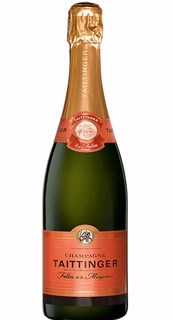 Les Folies de la Marquetterie bottle is not meant to replace or compete with Taittinger’s Comtes de Champagne, which remains their Tête du Cuvée, or super-premium, Champagne. Indeed, the blend of grapes in Les Folies de la Marquetterie leans heavily on Pinot Noir, whereas their Comtes de Champagne is made entirely from Chardonnay. … Read more
Henriot, Champagne (France) Blanc de Blancs Brut NV
($59, Henriot, Inc): Henriot is one of the few producers to make a non-vintage Blanc de Blancs Champagne. I, for one, am glad they do because it’s a real treat that doesn’t break the bank, like the super premium bottlings do. … Read more
Maison Louis Jadot, Savigny-lès-Beaune Premier Cru (Burgundy, France) La Dominode 2011
($45, Kobrand): 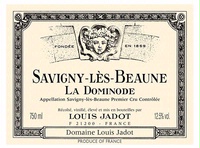 Jadot’s Savigny-lès-Beaune and their Pernand-Vergelesses lend powerful support to France’s focus on terroir. These two wines, from comparably prestigious premier cru sites less than a few miles apart, were made from the same grape — Pinot Noir — by the same winemaking team. … Read more
Maison Louis Jadot, Pernand-Vergelesses Premier Cru (Burgundy, France) Clos de la Croix de Pierre 2011
($39, Kobrand): 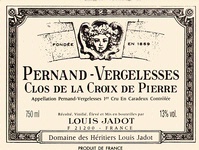 The 2011 vintage for red Burgundies will always be overshadowed on a vintage by the rich 2009 and racy 2010. But the chief advantage of the 2011s is that they are deliciously forward wines. Indeed, they will give more pleasure for drinking now than either the 2009s or 2010s. … Read more
Maison Louis Jadot, Chambolle-Musigny Premier Cru (Burgundy, France) Les Baudes 2011
($100, Kobrand): 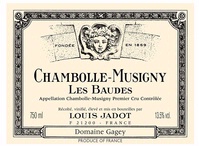 The seductive combination of suaveness and depth is what accounts for the popularity, and hence, price of wines from Chambolle-Musigny. Jadot’s 2011 Chambolle-Musigny Les Baudes has all the mineraly underpinning and glossy patina you’d expect from a premier cru from this esteemed village. … Read more
Villa Ponciago, Fleurie (Beaujolais, France) La Reserve 2011
($21, Henriot, Inc): 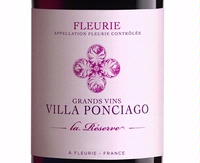 Beaujolais gets a bad rap. It’s partially deserved because of all of the slightly sweet and vapid swill labeled Beaujolais on the market. But there are a few producers who are trying desperately — they must sometimes feel it’s like pushing a rock up a hill — to change the image with their wines from the cru, or named villages, such as Fleurie, of the region. … Read more
Santa Rita, Maipo Valley (Chile) “Casa Real” 2010
($82, Palm Bay International): 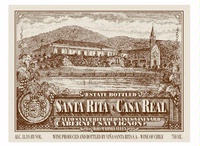 The grapes — entirely Cabernet Sauvignon — for Casa Real, the flagship wine from Santa Rita, come from their vineyard surrounding their home estate in the Maipo Valley, one of the best regions in Chile for growing Cabernet Sauvignon. … Read more