
($16): 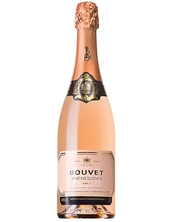 Bouvet Ladubay, one of the Loire’s largest producers of sparkling wine, is back under Monmousseau family control since 2015, after having been run by a succession of corporate enterprises. This mid-weight rosé, made exclusively from Cabernet Franc grown in the Saumur region of the Loire Valley, delivers spice with a hint of sweetness. … Read more
All posts by admin
Domaine Sylvain Langoureau, Saint-Aubin (Côte de Beaune, Burgundy, France) 2017
($30): 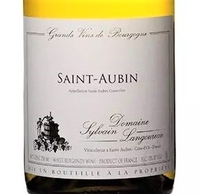 Saint-Aubin, lying behind the famous white wine villages of Puligny-Montrachet and Chassagne-Montrachet with their Grand Cru vineyards, is off the beaten tract, which means consumers can find value. Prices for Premier Cru Saint-Aubin have climbed dramatically as consumers have caught on, but bargains still exist for village wines, even from a top producer like Langoureau. … Read more
Maison Louis Jadot, Pouilly-Fuissé (Mâconnais, Burgundy, France) 2017
($27): 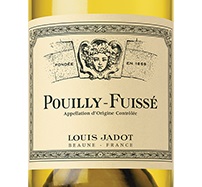 Louis Jadot, one of Burgundy’s top producers, needs no further introduction. It’s hard to go wrong with any wine carrying the Jadot name. With the 2020 vintage, regulators have designated about 25 percent of the vineyards in Pouilly-Fuissé, the leading village in the Mâconnais, to have Premier Cru status. … Read more
Maison Louis Jadot, Santenay (Côte de Beaune, Burgundy, France) 2018
($40, Kobrand Wine & Spirits): 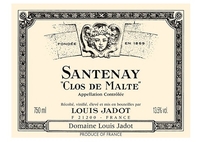 Though Jadot is a major négociant, they also are an important grower, farming over 300 acres of vineyards in Burgundy. This Santenay, from a village in the southern part of the Côte de Beaune, is from one of their vineyards. … Read more
Domaine Dominique Guyon, Bourgogne Hautes Côtes de Nuits (Burgundy, France) “Les Dames de Vergy” 2018
($30): 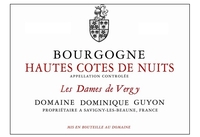 The Hautes Côtes de Nuits, a regional appellation, sits above and behind (to the west) of the Côte de Nuits, a sort of hinterland. Many of the reds from here have a rustic charm. Dominique Guyon, the son of another fabulous producer, Antonin Guyon, makes a more refined version than many. … Read more
In Praise of Regional and Village Burgundy…or, Where to Find Value
Simple economics explains why the wine from Burgundy, or Bourgogne, as the French would now like us to call it, has become expensive. Really expensive. French wine regulations limit what can be planted where (a.k.a. the supply) and demand has increased as new markets around the world, such as China, Japan, and Russia, to name just three, discover Burgundy’s allure. … Read more
Maison Joseph Drouhin, Rully (Côte Chalonnaise, Burgundy, France) 2018
($27):  Consumers can safely select virtually any wine from Drouhin, another top-tier Burgundy producer. Indeed, I could include their Bourgogne Blanc “Laforet,” or their Mâcon-Villages, both of which typically retail for less than $20 a bottle, but I chose their Rully, from a village in the Côte Chalonnaise. … Read more
Parent, Monthélie Blanc (Côte de Beaune, Burgundy, France) 2017
($48):  Domaine Parent, arguably the best producer of Pommard, also makes this stunning white Monthélie. It’s a bit of an oddity because ninety percent of Monthélie’s production is red and the vast majority of Parent’s production comes from their own vineyards. … Read more
Domaine Guilhem et Jean Hugues Goisot, Bourgogne Côtes d’Auxerre (Burgundy, France) Gueules de Loup 2017
($35):  Goisot is a good example of why my mantra is producer, producer, producer. You can buy any of their wines and be thrilled. They are located in the far north of Burgundy, near Chablis and make an array of distinctive and captivating wines. … Read more
Domaine Michel Bouzereau, Bourgogne Blanc Côte d’Or (Burgundy, France) 2017
($30):  With the 2017 vintage, regulators added a new sub-category, Côte d’Or, to Bourgogne, the very broad regional appellation that allowed grapes to come from anywhere in Burgundy. Wines labeled Bourgogne Côte d’Or mean that the grapes all come from the famed Côte d’Or, the very heart of Burgundy. … Read more
Maison Louis Latour, Mercurey (Côte Chalonnaise, Burgundy, France) 2015
($26, Kobrand Wine & Spirits):  Though Mercurey, a village in the Côte Chalonnaise, is best known for its reds, it’s a treasure trove of affordable Burgundy, both red and white. Louis Latour, one of Burgundy’s best producers, rarely disappoints. The 2015 vintage is one of the best of the decade.… Read more
Domaine Bart, Marsannay (Côte de Nuits, Burgundy, France) “Les Finottes” 2018
($30):  Domaine Bart is a star producer in Marsannay. This house makes splendid Grand Crus, such as Bonnes-Mares and Chambertin Clos de Bèze that routinely sell for $200+ a bottle upon release. Their skill is also found in a bevy of single-vineyard wines from the village of Marsannay, the northern most village of the Côte de Nuits. … Read more
Château de la Maltroye, Bourgogne Rouge (Burgundy, France) 2017
($27):  Château de la Maltroye, a top producer of both red and white wines from Chassagne-Montrachet, makes this charming Bourgogne Rouge from vineyards in that village that lie outside the boundaries of the village appellation. Delicate red fruit flavors balance its savory, herbal side. … Read more
Domaine Jean et Giles Lafouge, Auxey-Duresses (Côte de Beaune, Burgundy, France) 2017
($37):  One formula for Burgundy bargains is to find a top producer who lives and has vineyards in an out-of-the-way place. Domaine Lafouge’s Auxey-Duresses (“oh say doo ress”) fits that formula. Auxey-Duresses, like Monthélie, which it abuts, is situated in the prestigious Côte d’Or, but most of its vineyards lie even further west. … Read more
Firesteed, Willamette Valley (Oregon) Pinot Gris 2019
($16):  With roughly twice the acreage planted as Chardonnay, Pinot Gris (Pinot Grigio, in Italian) is Oregon’s second most widely planted variety, after Pinot Noir. As a wine, Pinot Gris’ spectrum is wide, ranging from light and innocuous to rich with stone fruit flavors and even some sweetness. … Read more
Gary Farrell Vineyards & Winery, Russian River Valley (Sonoma County, California) Chardonnay “Russian River Selection” 2018
($35): 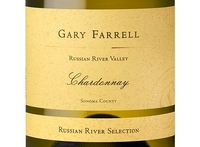 Gary Farrell is well-known for producing excellent single-vineyard Pinot Noirs. They also produce a bevy of single-vineyard Chardonnays. This one, however, their Russian River Selection, is a blend of Chardonnay grown in five vineyards: Westside Farms, Bacigalupi Vineyard, Rochioli, Allen and Olivet Lane. … Read more
Laetitia, Arroyo Grande Valley (Central Coast, California) Chardonnay Estate 2019
($22): 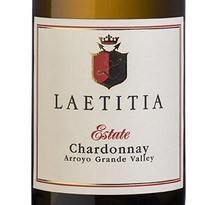 Let me jump to the bottom line: This is a great value Chardonnay. Racy and clean, this vigorous Chardonnay has the barest hint of alluring creaminess as well. Though not an opulent style of Chardonnay, it still has plenty of stuffing and terrific energy. … Read more
Merry Edwards, Russian River Valley (Sonoma County, California) Pinot Noir Meredith Estate 2017
($68):  Wow! It’s worth repeating, Wow! And I don’t mean that in terms of power, I mean that in terms of stature and finesse. Merry Edwards has always been one of my favorite producers, especially for Pinot Noir, but she has outdone herself with their 2017 Meredith Estate. … Read more
Ridge Vineyards, Dry Creek Valley (Sonoma County, California) “Lytton Springs” 2018
($44): 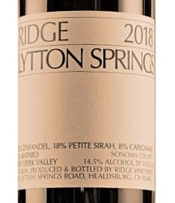 Full disclosure: I am prejudiced against Zinfandel. So, perhaps my enthusiasm for this wine is helped by the absence of a varietal name on the label, but I don’t think so because I tasted it in a line-up of Zinfandels at a SommCon Virtual Summit. … Read more
Col d’Orcia, Sant’Antimo DOC (Tuscany, Italy) “Rosso Col d’Orcia” 2014
($25, Taub Family Selections): 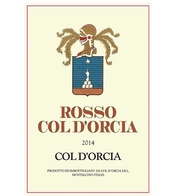 Col d’Orcia, best known for their stunning Brunello di Montalcino, makes other wines. At first glance at the label, you might think this is their Rosso di Montalcino. It’s not. Also, don’t be put off by the 2014 vintage, which was, as the Italians themselves describe it, “difficult.” … Read more
Travaglino, Oltrepò Pavese DOC (Lombardy, Italy) Pinot Nero Poggio della Butinera Riserva 2015
($42): 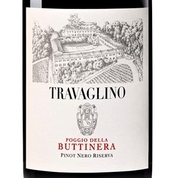 Italy is not known for Pinot Nero (aka Pinot Noir) the way it is for Nebbiolo or Sangiovese. In the relatively cool Oltrepò Pavese region, the grape does well, as Travaglino shows with this 2015 Riserva. Nicely concentrated, but certainly nowhere near a New World style, it delivers both fruit flavors and savory character, the latter of which is immediately apparent in the nose and carries onto the palate. … Read more
Champagne Devaux, Champagne (France) “Augusta” Brut NV
($40, Seaview Imports):  The Augusta refers to Augusta-Maria Herbin, Devaux’s wife, another widow of Champagne, who led the firm from 1879 to 1895. Family ownership ended in 1987, when, according to their website, it passed to the Union Auboise, now Groupe Vinicole Champagne Devaux, a co-operative. … Read more
Bodegas Caro, Mendoza (Argentina) Malbec “Aruma” 2018
($15, Taub Family Selections): 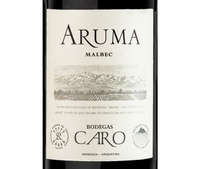 This Malbec is an unusual wine for Bodegas Caro, a collaboration between Domaines Barons de Rothschild (Lafite) and Nicolas Catena, two stars in the wine world. It is unusual because they pride themselves on combining two winemaking cultures, Bordeaux and Argentina, and their two respective grapes, Cabernet Sauvignon and Malbec, but there’s no Cab in this. … Read more
Dry Creek Vineyard, Sonoma County (California) Sauvignon Blanc 2019
($20): 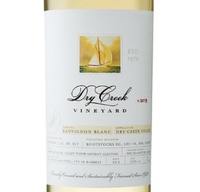 Founded in 1972 by David Stare and still family-run, Dry Creek Vineyard continues to excel. Dry Creek Vineyard’s initial focus was on Sauvignon Blanc because Stare loved the wines of the Loire Valley. So, it’s not surprising that Dry Creek Vineyard continues to make a consistently fine Sauvignon Blanc. … Read more
Raeburn Winery, Russian River Valley (Sonoma County, California) Pinot Noir 2019
($22): 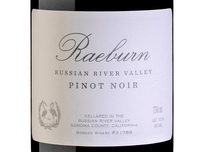 The focus of the 2019 Raeburn Pinot Noir is firmly on bright pure cherry-like fruit. Suavely textured, it is easy to enjoy this mid-weight wine now. A touch of heat and a hint of sweetness in the finish likely results from the 14.5 percent stated alcohol. … Read more
J. Lohr, Paso Robles (Central Coast, California) Cabernet Sauvignon “Signature” 2016
($90): 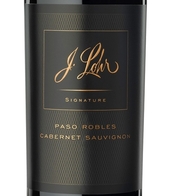 An over-sized bottle with the wine weighing in at 15.1 percent stated alcohol accurately predicts the nature of this Cabernet Sauvignon: powerful. Fruit-forward and dominant, it’s a blend of mostly Cabernet Sauvignon, with small amounts of Merlot, Malbec, Carmenere and Saint-Macaire, an ancient grape from Bordeaux, which is no longer used there, but was included in the allowed mix for Meritage wines in California. … Read more
Black Stallion Estate Winery, Napa Valley (California) Cabernet Sauvignon Limited Release 2017
($60):  The packaging — over-sized bottle — and 15 percent stated alcohol suggests this Cabernet is from the “bigger is better” school. And there is no question, it’s a big, ripe wine with plenty of power. Yet, it’s not overblown or overdone. … Read more
Agricola Punica, Isola del Nuraghi IGT (Sardinia, Italy) “Barrua” 2015
($46): 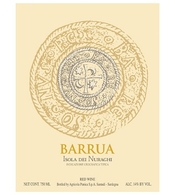 Agricola Punica is a collaboration between Tenuta San Guido, the Bolgheri producer responsible for Sassicaia, and Sardinia’s Cantina di Santadi. The late Giacomo Tachis, who was a genius at sensing the utility of the so-called Bordeaux varieties in selected Italian locales, suggested the blend of Carignano, Cabernet Sauvignon and Merlot for their wine to be called “Barrua.” … Read more
Schloss Johannisberg, Rheingau (Germany) Riesling Silberlack Trocken GG 2018
($75): 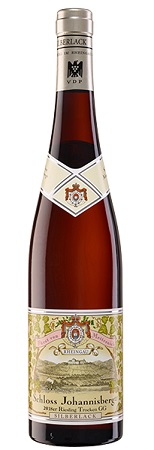 Schloss Johannisberg, whose Riesling planting started in 1719, is thought to be the oldest Riesling producer in the world. (The first documented wine harvest from the site itself was a roughly a thousand years earlier, in 817.) The estate grows only Riesling, yet makes many different wines depending on where in the vineyard the grapes grow and when they are harvested. … Read more
Glory in Givry: Domaine du Cellier Aux Moines
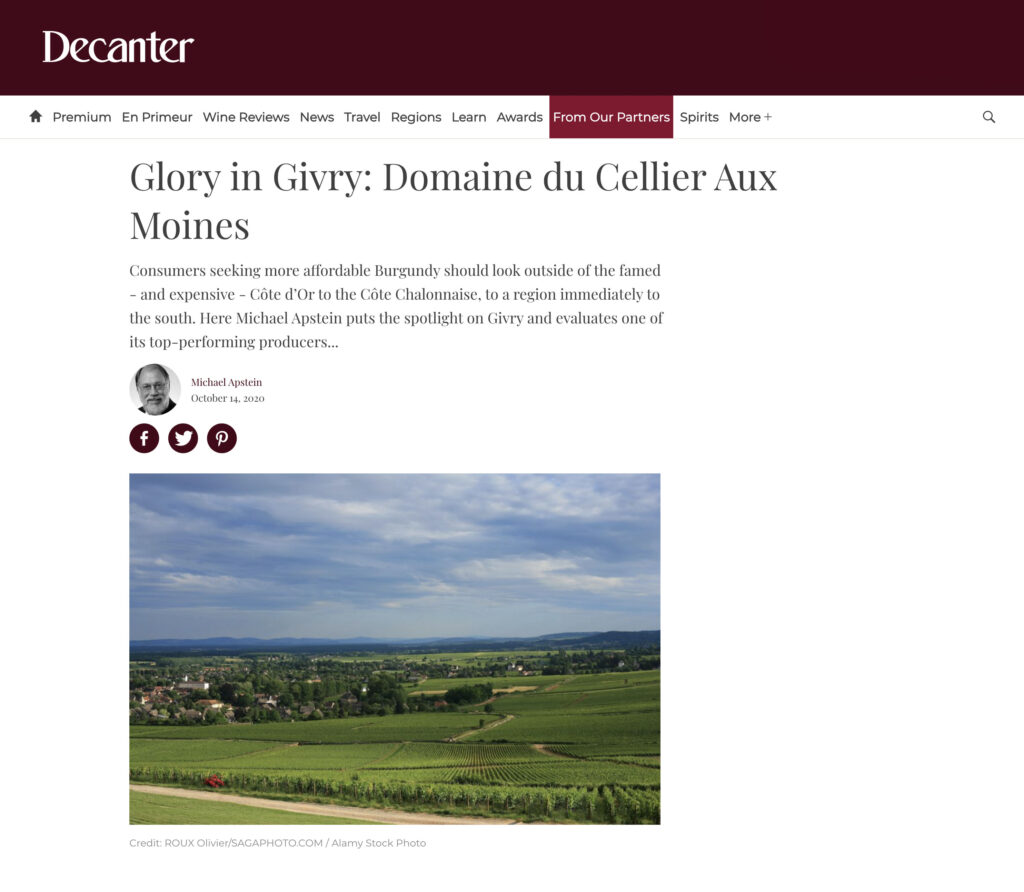
As in its more famous neighbouring region, Pinot Noir and Chardonnay reign supreme and, with rare exceptions, are the mandated grapes for the wines.
Major appellations in the Côte Chalonnaise, moving from north to south, include Rully and Mercurey, which produce both red and white wine, Givry, which produces mostly (80%) red wine, and Montagny, which produces white wine exclusively.… Read more
Naumes Family Vineyards, Rouge Valley (Oregon) Viognier 2018
($30):  The Viognier grape is tough to translate properly into a wine. Ripeness is necessary to release its inherent floral character, but over-ripeness results in a heavy wine. Naumes strikes the balance. Lovely floral apricot aromas predict the stone fruit flavors that follow. … Read more
Naumes Family Vineyards, Rouge Valley (Oregon) “Triolet” 2017
($40):  The blend, Barbera (60%) and Malbec, is unique. I know of no other winery producing it. The name, Triolet, which is a type of poem, according to the dictionary, is equally unique. Corey Shultz, the winery director, says the name is to honor the Naumes Family’s triplets and that in subsequent vintages there will be third grape in the blend. … Read more
Naumes Family Vineyards, Rouge Valley (Oregon) Pinot Noir 2017
($40):  Captivating herbal notes are immediately apparent in the nose and later on the palate. A blend of several clones of Pinot Noir, this is a delicate and airy example of the varietal, displaying a wondrous mixture of savory and fruity flavors.… Read more
Naumes Family Vineyards, Rouge Valley (Oregon) Syrah 2017
($35): 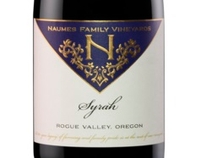 This big, bold Syrah has beautiful balance and bright acidity that keeps it fresh and lively. It conveys a splendid combination of savory, almost bacon fat-like nuances, spicy black pepper notes, and dark fruitiness. Though youthful and forceful, it is not overdone or boisterous. … Read more
Naumes Family Vineyards, Rouge Valley (Oregon) Tempranillo 2017
($30): 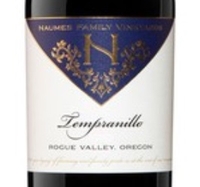 As much as I liked Naumes 2016 Tempranillo, their 2017 struck me as even better. Its firmness and minerality presents a great contrast to the fleshy and fruitier Malbec. It is structured without being aggressive or hard. Its stature is apparent in the long and attractive hint of bitterness in the finish. … Read more
A Rogue in Oregon
One definition of rogue is “something out of the ordinary.” It is fitting, then, that the Naumes Family Winery is located in Oregon’s Rogue Valley, because they certainly do something out of the ordinary. Ordinary, in terms of Oregon wine, is pretty clear: superb Pinot Noir and Chardonnay, and notable Pinot Gris. … Read more
Pouilly-Fuissé Vineyards Finally Get Premier Cru Status
The Nazis were responsible for the lack of Premier Cru vineyards in Pouilly-Fuissé. As Frédéric Burrier, the head of the Pouilly-Fuissé growers’ organization, explains: In the 1940s, in Occupied France, the Germans could requisition village wines, but had to pay for ones, at least theoretically, from a higher classification.
Miolo, Vale dos Vinhedos (Brazil) Brut “Cuvée Tradition” NV
($14, CapCity Beverage): 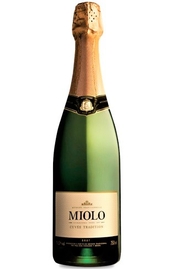 There’s probably no greater statement regarding the potential of the sparkling wine industry in Brazil than the investment by Moët & Chandon there in the 1970s. Miolo has been producing sparkling wines from there vineyards in Vale dos Vinhedos, the first Brazilian area to receive DO status, long before Moët invested in the country. … Read more
Casa Perini, Farroupilha (Serra Gaúcha, Brazil) Moscatel NV
($20, Aiko Imports): 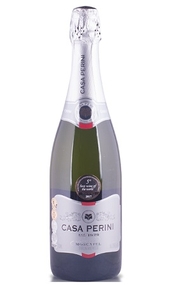 Brazil ranks third in wine production in South America after Argentina and Chile, according to The Oxford Companion to Wine. And almost a quarter of the country’s production is sparkling wine. Most of the fine wine production is located in the Serra Gaúcha area, where Italian and German immigrants settled, in the southern (cooler — away from the equator) part of the country near the border with Uruguay. … Read more
Domaine du Cellier aux Moines, Givry, 1er Cru Clos du Celliers aux Moines, Burgundy, France 2019
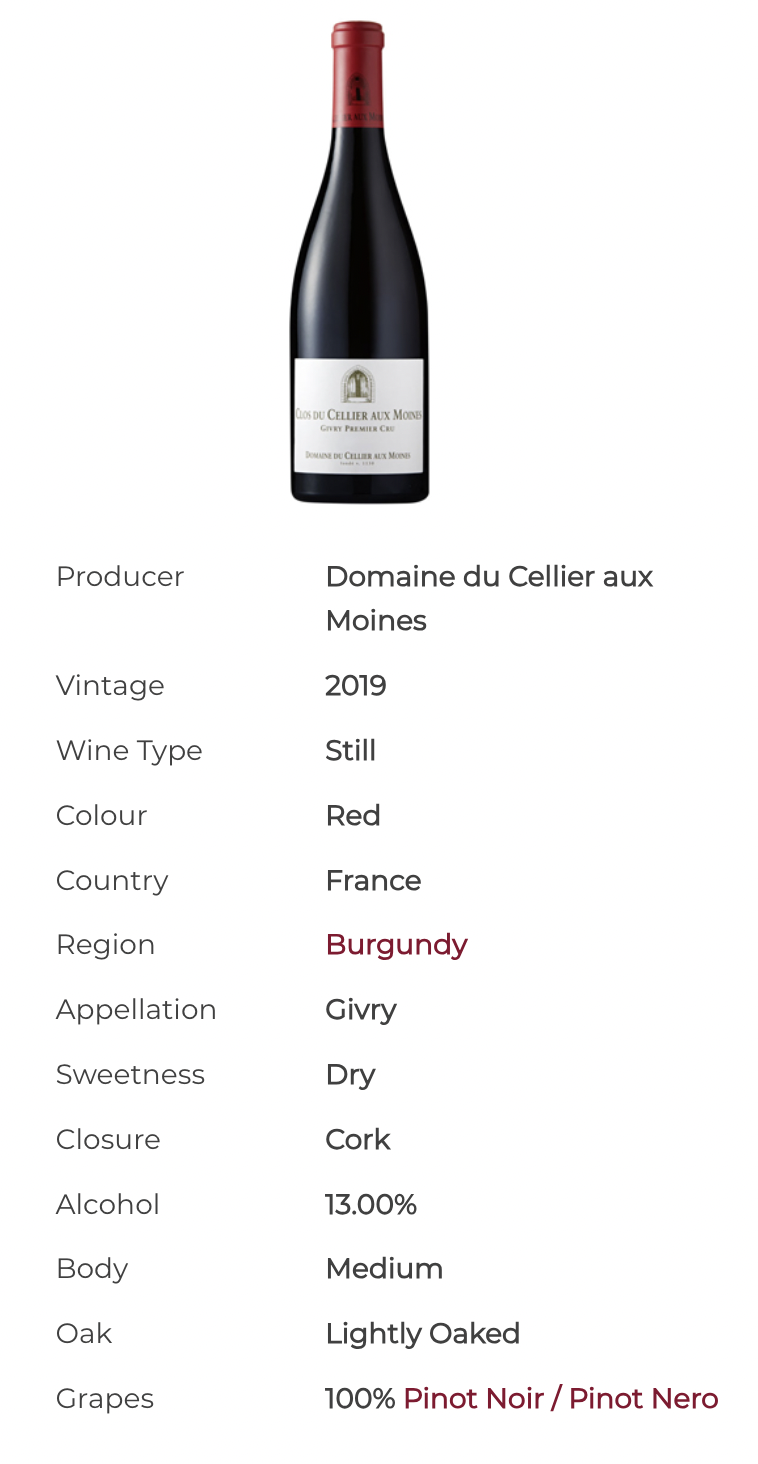 Drinking Window: 2027 – 2033
It’s difficult to predict how the final wine will compare to a barrel sample. To my way of thinking, tasting a barrel sample is somewhat analogous to viewing a single frame of a motion picture. The ending may be a surprise.
Domaine du Cellier aux Moines, Givry, 1er Cru Clos du Celliers aux Moines, 2018
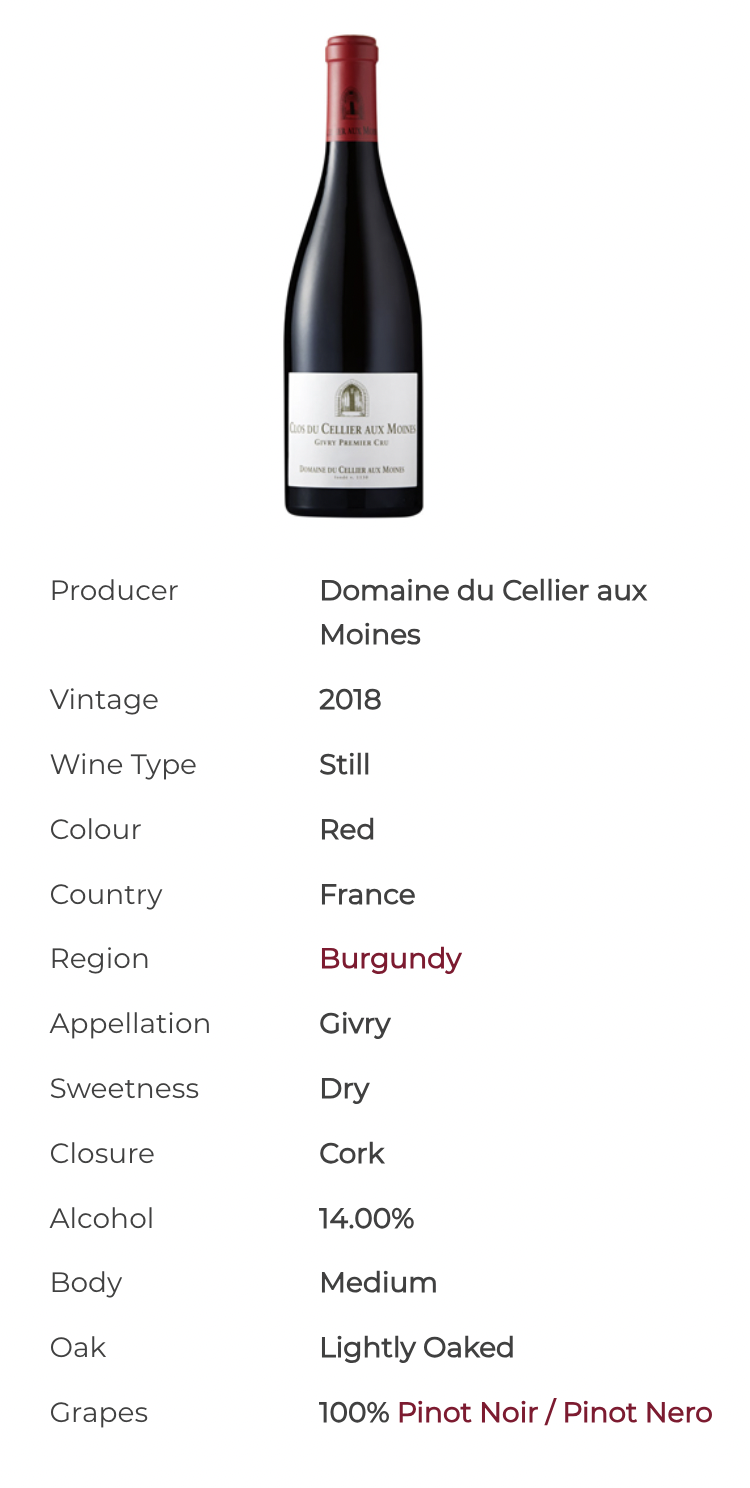 Drinking Window: 2025 – 2030
Unsurprisingly, given the warmth of the vintage, the 2018 leads with a pristine and dark cherry-like power than overshadows the mineral aspect hiding underneath. Though lacking the tensile nature of the 2017, it displays uplifting acidity, especially in the finish, that offsets the ripeness.
Domaine du Cellier aux Moines, Givry, 1er Cru Clos du Celliers aux Moines, 2017
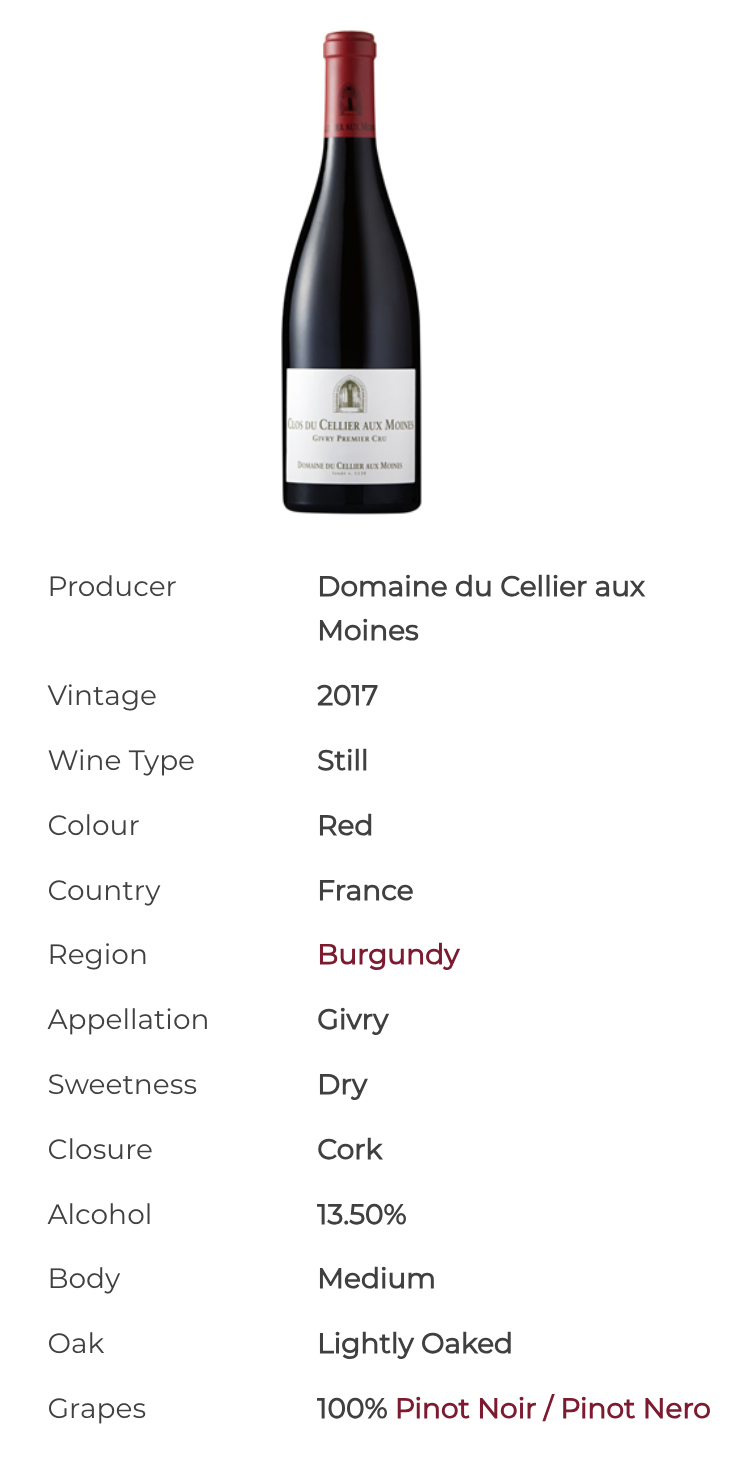 Drinking Window: 2026 – 2030
The 2017 vintage for red Burgundy was Janus-like. Some wines are charming and forward. Others, like this one, have the requisite substance, structure, and balance for the long haul. This was the first year the domaine was almost fully biodynamic, and, that perhaps, explains the wine’s brilliance.
Domaine du Cellier aux Moines, Givry, 1er Cru Clos du Celliers aux Moines, 2016
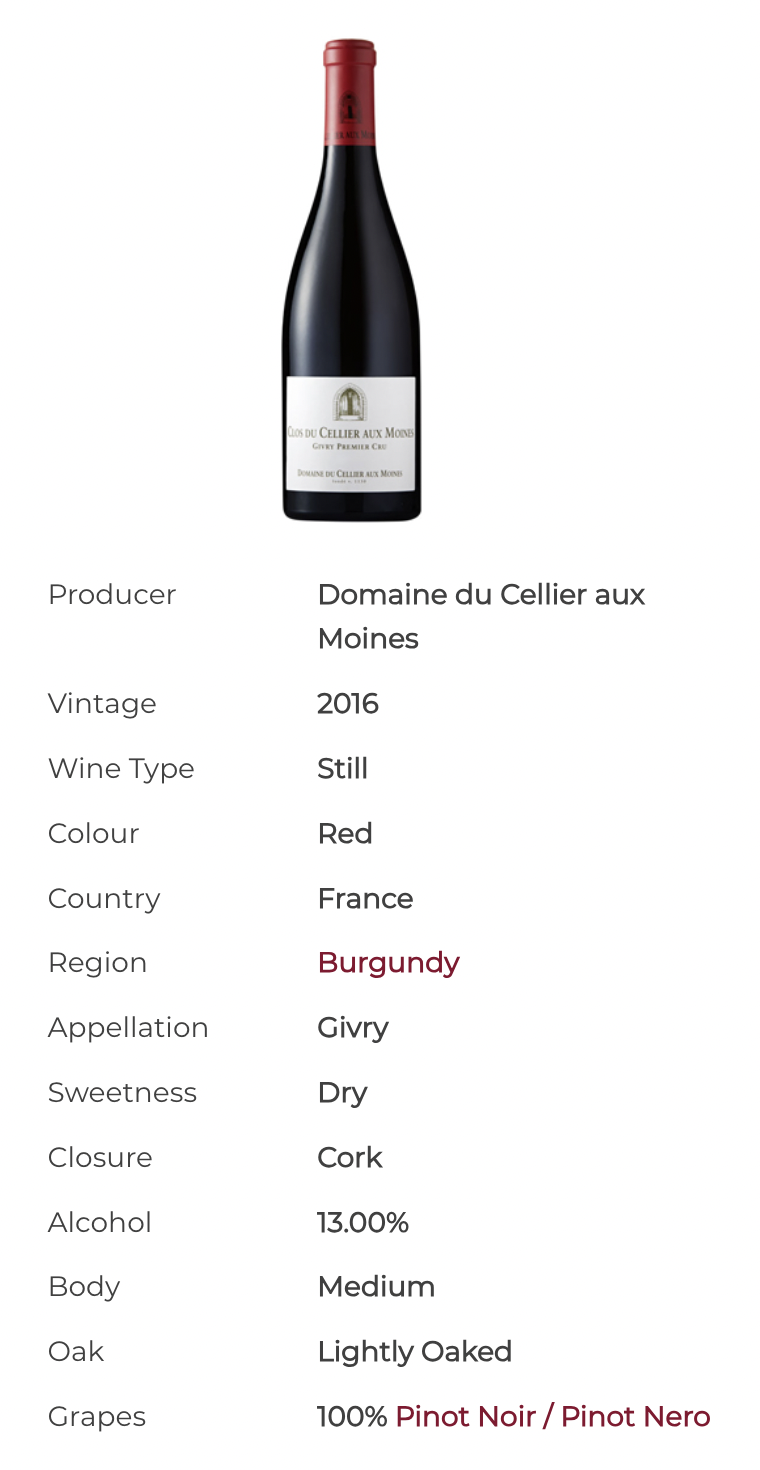 Drinking Window: 2025 – 2030
The Pascals introduced organic farming in 2016, which may explain its success in that tricky vintage. The only problem: it follows the 2015. Captivating savoury notes—that not-just-fruit character—are apparent and mingle with dark cherry-like fruitiness. Suave texture, now a hallmark of the domaine since 2015, adds to its appeal.
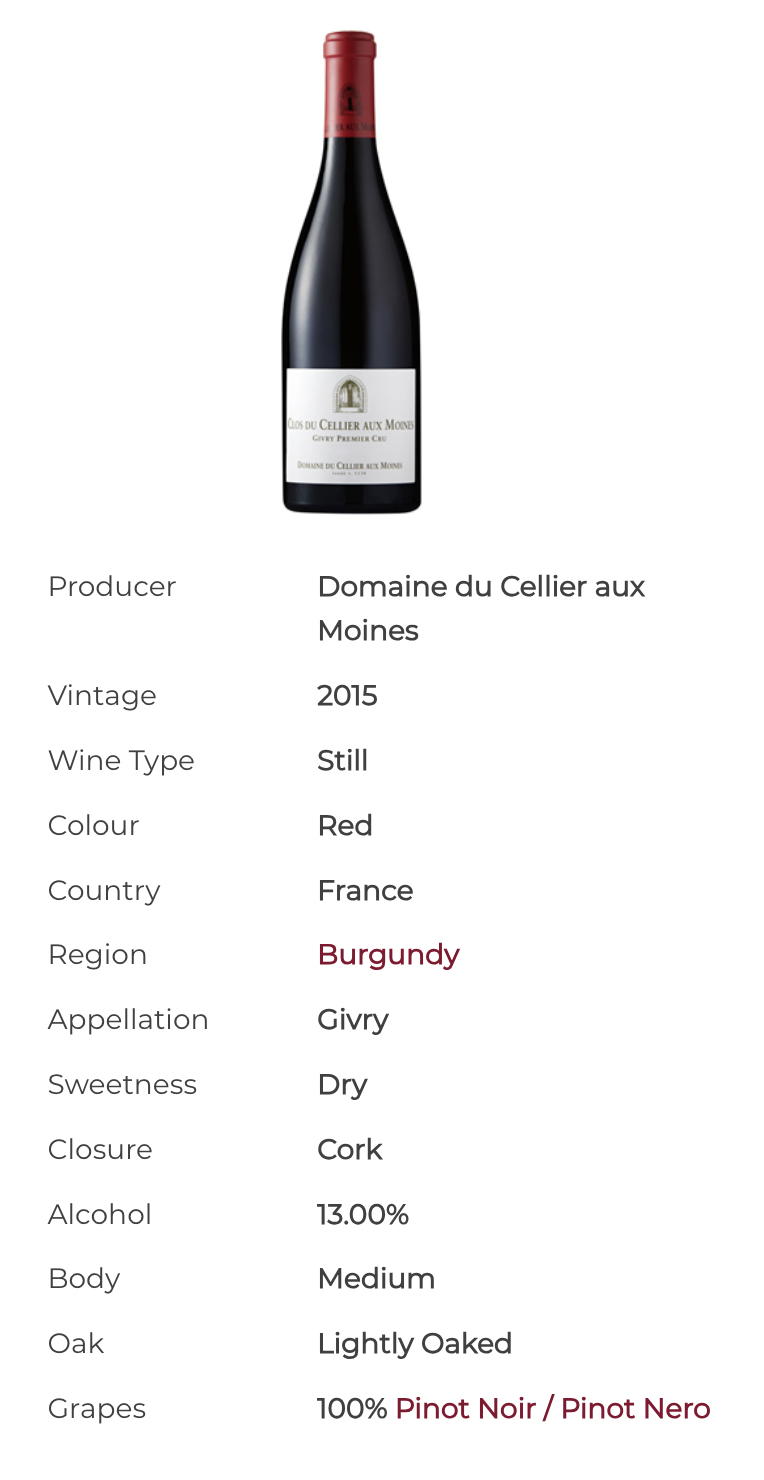
Domaine du Cellier aux Moines, Givry, 1er Cru Clos du Celliers aux Moines, 2015
 Drinking Window: 2025 – 2030
The grandeur of the 2015 comes from a combination of a new winery, a new winemaker, and the introduction of a second wine. That trio of changes catapulted the wine—and subsequent vintages—to a higher plateau. The 2015, with succulent dark cherry-like fruit, is concentrated, yet not over-the-top.
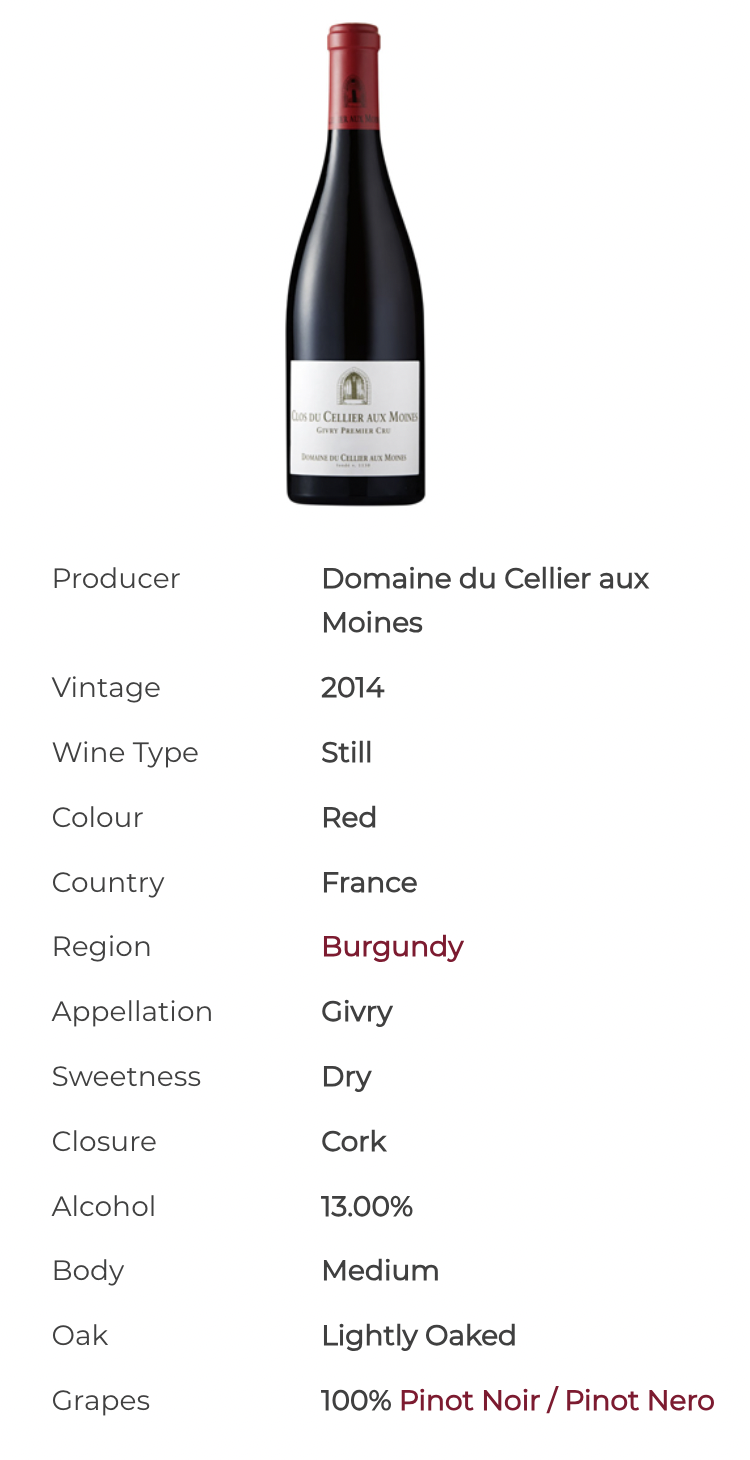
Domaine du Cellier aux Moines, Givry, 1er Cru Clos du Celliers aux Moines, 2014
 Drinking Window: 2020 – 2022
The 2014 vintage was difficult enough for red Burgundy in general. The fruit fly, Drosophila suzukii, wreaked even more havoc, according to Philippe, forcing them to sort severely. The wine reflects the challenges of the year with lighter colour and less concentration.
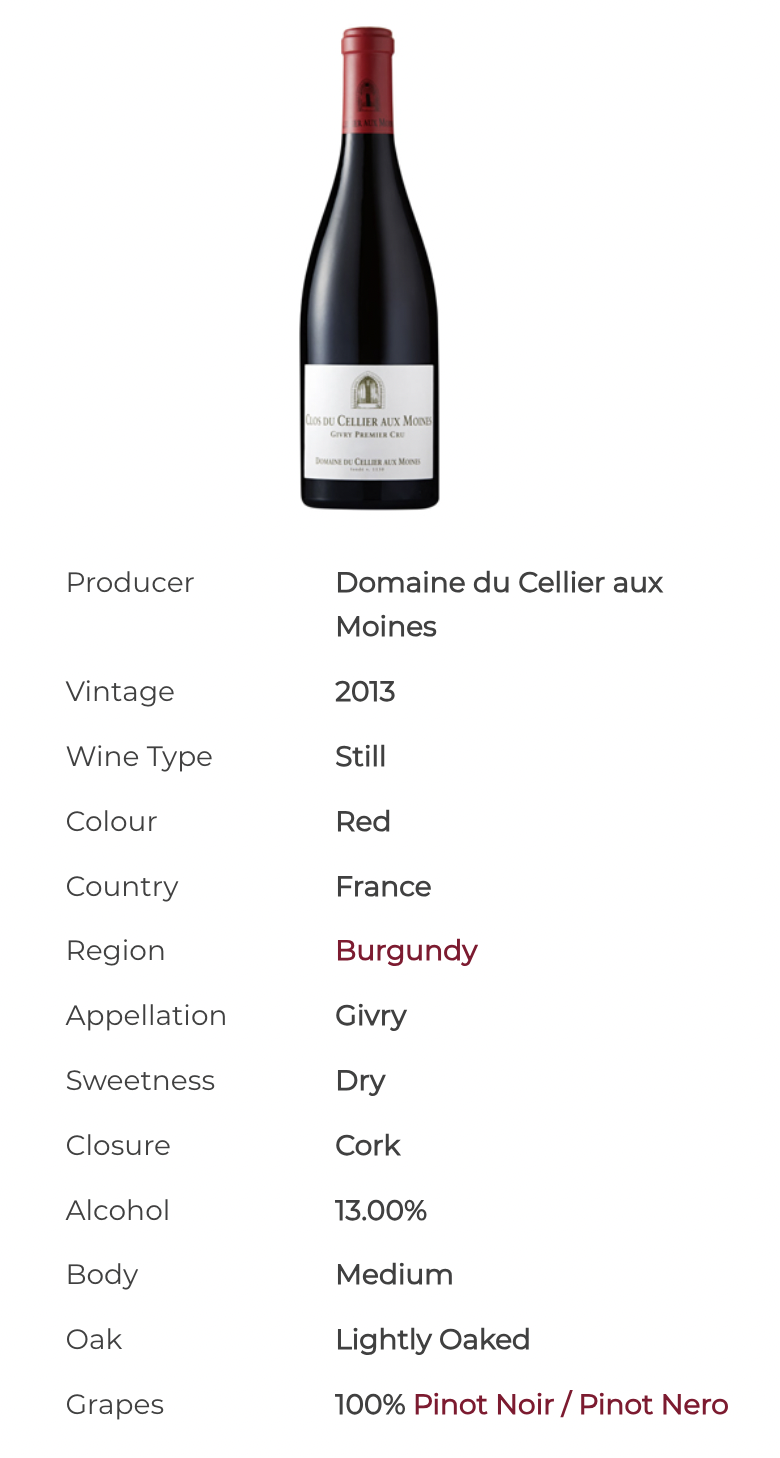
Domaine du Cellier aux Moines, Givry, 1er Cru Clos du Celliers aux Moines, 2013
 Drinking Window: 2020 – 2022
With rain during harvest, the 2013 was a difficult year in Burgundy in general and especially for the Domaine du Cellier aux Moines. Philippe Pascal reports that they discarded one-third of the crop because of rot.
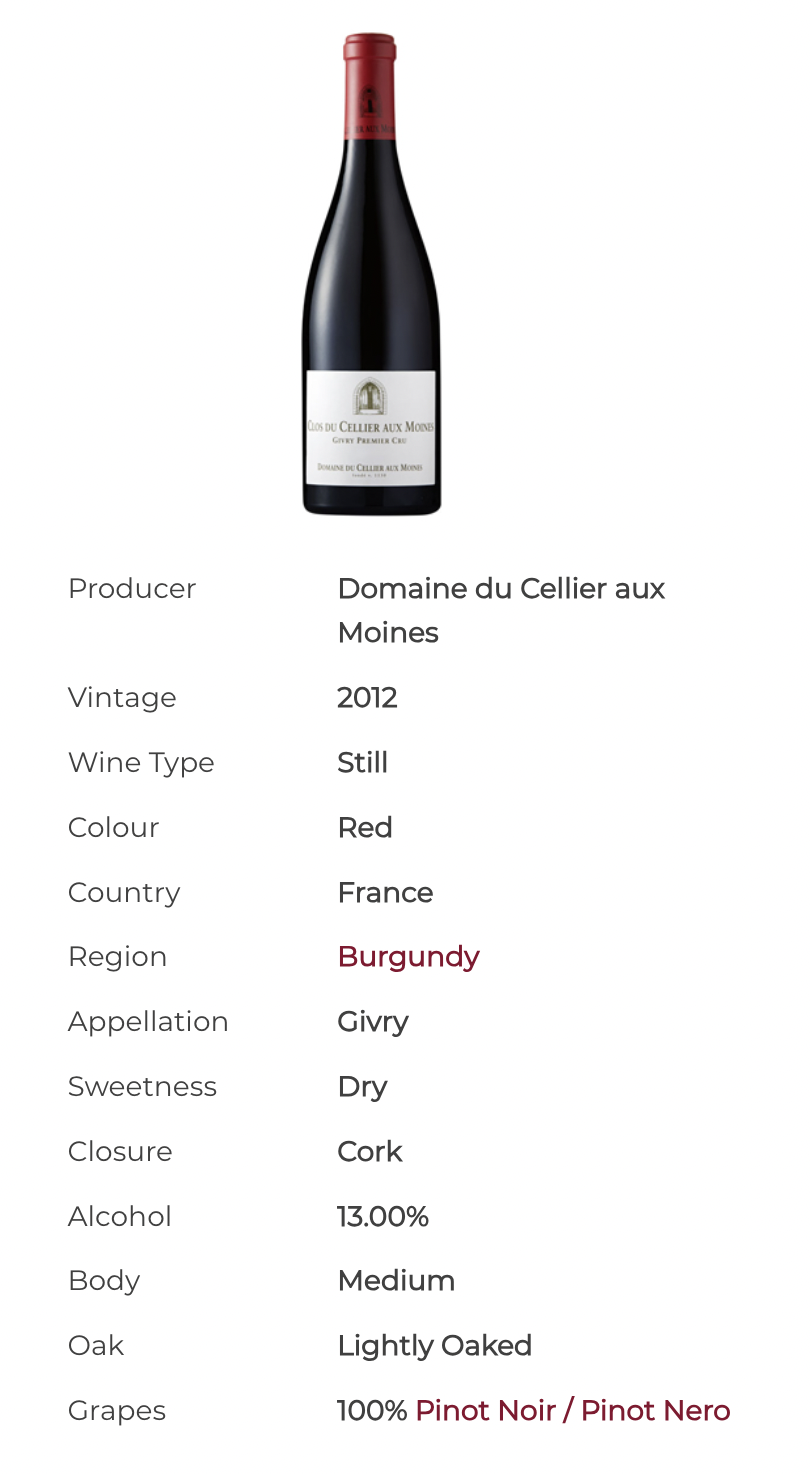
Domaine du Cellier aux Moines, Givry, 1er Cru Clos du Celliers aux Moines, 2012
 Drinking Window: 2020 – 2025
The 2012, shows the benefits of the Pascal’s improvements in the vineyard. It was the first vintage to include a significant portion of grapes from their replanted massal selection of vines using the parcelaire approach, which they initiated in 2008.
Domaine du Cellier aux Moines, Givry, 1er Cru Clos du Celliers aux Moines, 2010
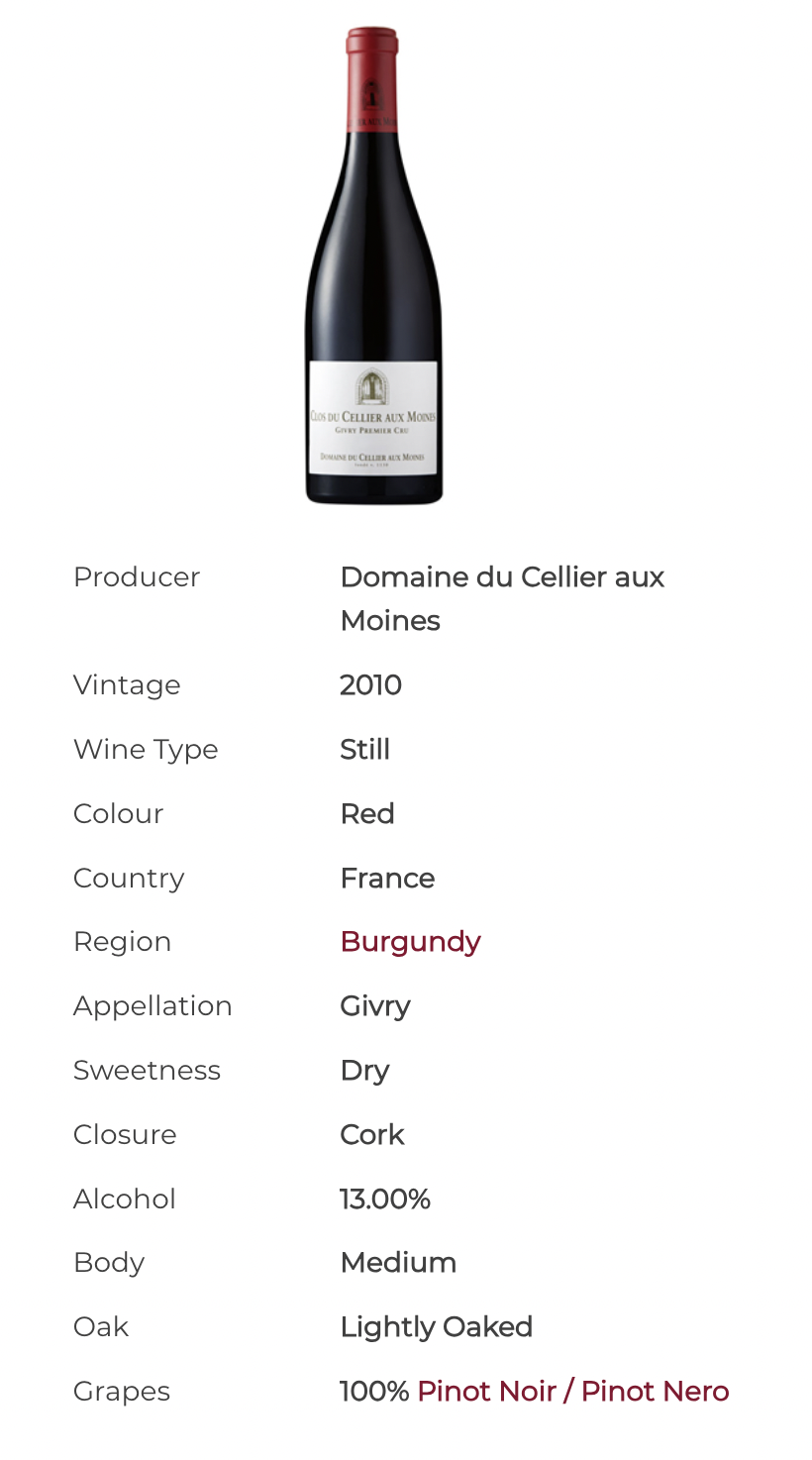 Drinking Window: 2023 – 2027
The 2010 is positively gorgeous. Less dense than the 2009, it nevertheless displays excellent concentration and an invigorating tension, delivering a balanced mixture of cherry-like fruitiness and minerals. A streak of crystalline purity holds it all together.
Domaine du Cellier aux Moines, Givry, 1er Cru Clos du Celliers aux Moines, 2009
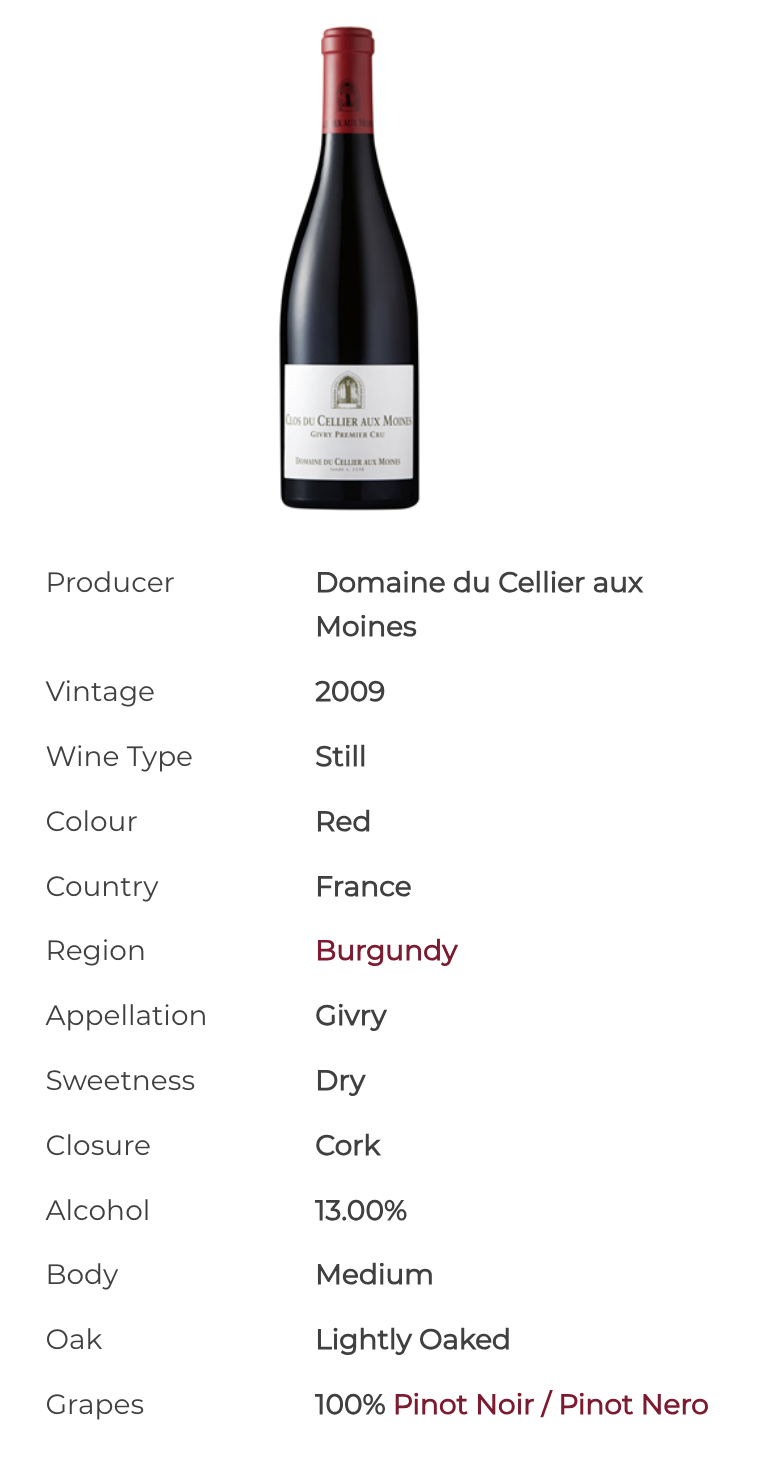 Drinking Window: 2022 – 2026
The 2009, still a product of the early years of the Pascal’s ownership confirms the quality of the terroir. A muscular wine, reflecting the warm vintage, the 2009 has great acidity, imparting freshness and balance. Classic Givry stoniness underpins its black cherry-like fruitiness.
Domaine du Cellier aux Moines, Givry, 1er Cru Clos du Celliers aux Moines, 2007
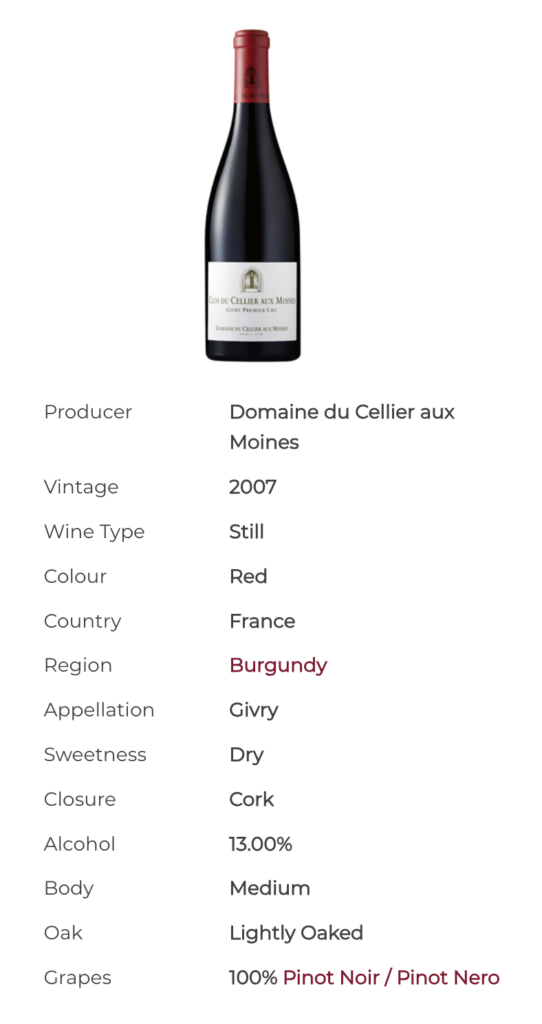 Drinking Window: 2020 – 2020
The 2007, from a generally early-maturing vintage, is clearly past its prime. I suspect it would have been far better five years ago. The fruit has faded while the tannins have persisted. Hollow and angular, it nevertheless displays lively freshness.