
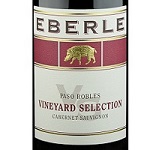
($25): Lovely herbal elements balance and enhance the dark fruit flavors in this Cabernet. Lip-smacking acidity imparts life and energy. Although a generous Cabernet, it is not out-sized. The “not just fruit” savory notes add complexity and supple tannins allow current consumption. … Read more
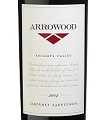
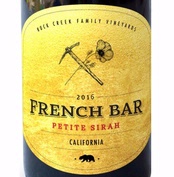
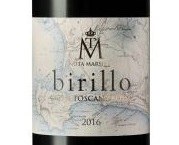

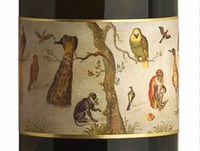 Tongue Dancer, the project of experienced winemaker James MacPhail and Kerry MacPhail, is an odd name for a wine but is supposed to evoke the image of wines that dance on your tongue. If the name sounds odd, the label is even weirder.
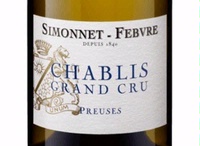 Simonnet-Febvre’s 2016 Preuses is an exceptional wine at an exceptional price. Full-bodied with exotic undertones, it nonetheless conveys the firm minerality of great Chablis. Zesty, not shrill, the flavors jump from the glass and persist. A seemingly endless finish just adds to the appeal of this energetic wine.
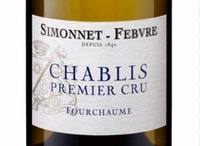 The Fourchaume vineyard, which sits adjacent to the strip of Grand Cru vineyards in Chablis, is considered to be among the top 1er Cru vineyards. This wine has the added richness and depth characteristic of Fourchaume without scarifying any verve or energy.
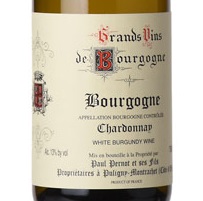
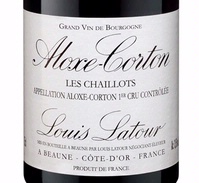
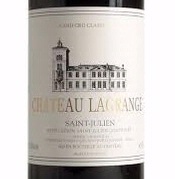 The 2015 vintage for red Bordeaux is, by and large, wonderful. In general, the wines deliver ripe flavors accompanied by sufficient structure — tannins and acidity — that prevent them from falling all over themselves. Château Lagrange, which has just gone from strength to strength over the last two decades, made an impressive wine in 2015.
 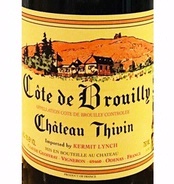 Château Thivin is THE producer Côte de Brouilly, one of the ten crus of Beaujolais, which sits on a small ancient volcanic cone. The Geoffray family purchased the estate, which had been in existence since the 12th century, in 1877.
 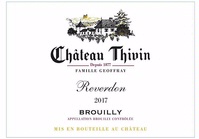 Château Thivin owns about 18 acres of this 65-acre east-facing vineyard in Brouilly, the largest and most southern of Beaujolais’ ten cru. Lighter and fruitier than their Côte de Brouilly, it still conveys underlying minerality because of the rose-granite soil in the vineyard.
 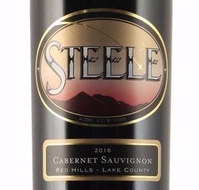 What’s particularly impressive about this Cabernet Sauvignon is the complexity and poise it delivers for the price. It should be surprise because of Jed Steele’s experience and the source of the grapes. The Red Hills part of Lake County is a relatively new AVA.
 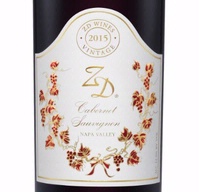 ZD has produced a quintessential Napa Valley Cabernet and shows, once again, why that region is one of the best places in the world for that grape. It’s a powerful Cabernet — it is from California, after all — but it has elegance and is not overdone.
 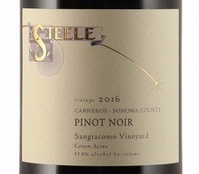 Jed Steele has captured the lovely delicacy and subtle savory notes that are the hallmarks of Pinot Noir. Lively acidity keeps it fresh, while fine tannins allow enjoyment now, without additional bottle aging. It finishes with a hint of sweetness, which allows you to enjoy a glass by itself while preparing to grill the salmon.
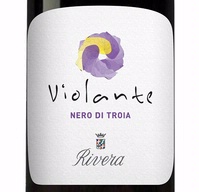 Nero di Troia, a virtually unknown grape outside of Puglia, is capable of making attractively rustic — in a good way — wine. This one packs a punch, but without the rough tannins that frequently accompany that kind of power.
 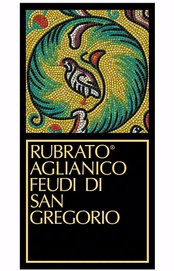 Wines made from the Aglianico grape are often referred to as the Barolo of the South because of their firm tannins, high acidity, overall depth and need for bottle age to bring all the components together. Feudi San Gregorio has managed to marry these elements in this Aglianico and make it a pleasure to drink now — as long as you select the correct food and time of year.
 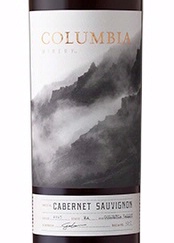 This is why people love Cabernet. Not just fruit, but enticing hints of herbs and savory notes penetrate this wine. Similar to Columbia Winery’s Merlot, this Cabernet finishes with bitterness, not sweetness, which I find is essential if you want to drink more than a sip.
 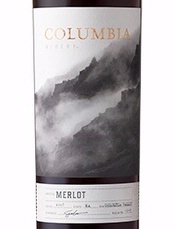 Here is a reminder that good character-filled wine is available for less than $20. A solid and deep Merlot, it combines herbal nuances with dark fruit notes. Supple tannins mean it’s perfect for a hearty beef dish tonight. A delectable hint of bitterness in the finish reinforces the idea that this Merlot is meant more for the table than for, “I’ll have a glass of Merlot” at the bar.
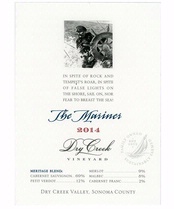 This is a Cabernet-based powerhouse Bordeaux blend that includes, in addition to that grape, Petit Verdot, Malbec (yes, it used to be, and still is, planted in Bordeaux), and Cabernet Franc. Despite its depth and power, the finely polished tannins allow for current consumption.
 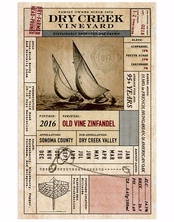 Full disclosure, I generally do not like Zinfandel, so I may be under scoring this wine. This is a masterful blend of Zinfandel (78%) from dry-farmed, 95-plus year old vineyards, Petite Sirah and Carignan. Dry-farmed vineyards ensure that the roots of the vines go deep to find water and presumably other compounds that add to the flavor of the grapes and, subsequently, to the wine.
 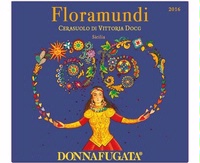 Donnafugata, one of Sicily’s top producers, has shown consistently what stunningly good wines can come from that Italian island. Donnafugata’s 2016 Cerasuolo de Vittorio, a blend of Nero d’Avola and Frappato, is a delicate light to mid-weight floral red wine with charm and vivacity.
 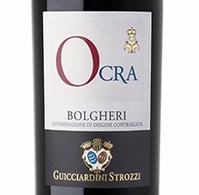 A seamless blend of Cabernet Sauvignon (40%), Merlot (40%) and Syrah, this classy red delivers far more refinement and complexity than you’d expect for the price. It conveys a touch of everything — black fruit notes, herbal nuances, and spice — and not too much of anything.
 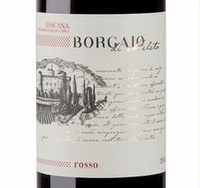 Borgaio di Meleto is a second label of Meleto, one of the top Chianti Classico producers. A value-packed juicy blend of Sangiovese (70%) and Merlot, this mid-weight red delivers both fruity and herbal elements. Surprising complexity for a wine of this price likely comes from a touch of oak aging in large old barrels.
 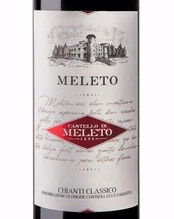 Castello di Meleto, a top Chianti Classico producer based in Gaiole, has abandoned new French oak barrels for aging their Chianti Classico and eliminated the international varieties, Cabernet Sauvignon and Merlot, in the blend. Instead, the wine is 100 percent Sangiovese that has been aged in large old Slavonian oak barrels.
 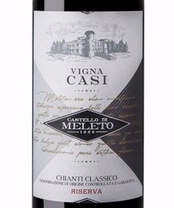 The wines from Castello di Meleto need to be re-visited because the current releases deliver extraordinary pleasure for the price. This marvelous Chianti Classico Reserva from their Vigneti Casi vineyards is both juicy and polished with a gorgeous texture.
 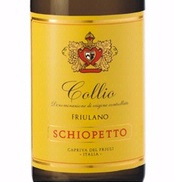 White wines of Italy are often overlooked because of the stature of the country’s reds. Schiopetto, one of the top producers in the Collio, shows the heights that white wines can achieve in Italy. This 2016 Friulano amazes with its lanolin-like texture.
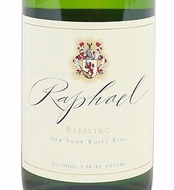 The problem for consumers with Riesling is knowing the level of sweetness since the grape is capable of producing superb bone-dry wines as well as gloriously sweet ones. Raphael, one of top properties on Long Island’s North Fork, helps by indicating on the back that their Riesling is semi-sweet.
 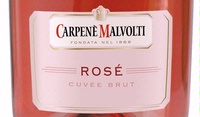 Carpenè Malvolti, a top Prosecco producer, has fashioned this rosé bubbly from Pinot Noir (85%) and Rabosco, grown in the Veneto. Since rosé is not recognized as Prosecco category, this wine carries no legal designation. But don’t let that bother you.
 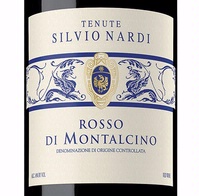 Silvio Nardi is one of Brunello’s top producers. Always traditionally framed, you’ll never feel or taste a predominance of oak or wood in their wines. This Rosso comes from grapes grown vineyards some of which are designated for Rosso and some of which are designated for Brunello.
 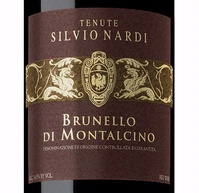 In addition to their Rosso di Montalcino, Tenuta Silvio Nardi producers three Brunelli, all of which are different and all of which I recommend highly. Indeed, their two single vineyard bottlings show the diversity of this region.