
($45, Vineyard Roads): 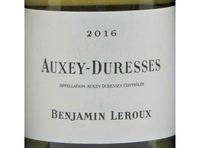 Auxey-Duresses, a village slightly off Burgundy’s the beaten track, offers great values precisely for that reason. This white Burgundy punches far above its lowly village appellation, delivering bright and cutting minerality along with a hint of creaminess. Another bargain for what it is and another case in my cellar.… Read more
Category Archives: WRO Reviews
J Vineyards & Winery, Russian River Valley (Sonoma County, California) Pinot Noir 2016
($40): 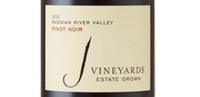 This glossy Pinot Noir is pure, clean and fruit-focused. Its soft and fleshy texture, supple tannins and a hint of sweetness in the finish make it perfect for drinking now, even as a stand-alone aperitif.
88 Michael Apstein Mar 26, 2019… Read more
Rodney Strong Vineyards, Russian River Valley (Sonoma County, California) Pinot Noir
2016 ($25): 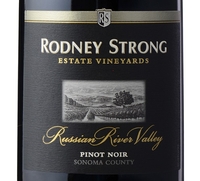 Rodney Strong first planted Pinot Noir in Russian River Valley in 1968, so the winery has experience with this grape. While basically fruit-focused, savory nuances do emerge. Though supple and smooth, there is a subtle and welcome firmness which lends needed structure to balance the ripeness. … Read more
Rodney Strong Vineyards, Knights Valley (Sonoma County, California) Cabernet Sauvignon 2015
($35):  With its fruit-forward profile and apparent sweet oak flavors, this moderate weight Cabernet Sauvignon will please many consumers. Supple tannins and ripe plum-like flavors add to its ready-to-drink appeal.
88 Michael Apstein Mar 26, 2019… Read more
Rodney Strong Vineyards, Alexander Valley (Sonoma County, California) “Symmetry” Meritage Red Wine 2014
($55): 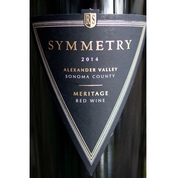 This Cabernet Sauvignon-dominant (80%) Bordeaux-style blend (with Malbec, Merlot, Petit Verdot and Cabernet Franc making up the remainder) is far more complex than their straight Cabernets. Not overdone, it manages to be both elegant and powerful. Non-intrusive tannins provide support without a hint of aggressiveness. … Read more
Donatella Cinelli Colombini, Rosso di Montalcino (Tuscany, Italy) 2016
($25):  Rosso di Montalcino, made from Sangiovese, the same grape that is required for Brunello di Montalcino, requires and undergoes less aging than Brunello, which explains why the wines are ready to drink sooner. Donatella Cinelli Colombini, one the star producers of Brunello, also makes an engaging Rosso. … Read more
Fontodi, Chianti Classico (Tuscany, Italy) 2016
($44):  Fontodi, one of the great names in Chianti Classico, is located in the heart of that region, in what’s known as the Conca d’Oro (golden shell) because of the amphitheater-like exposure. It’s a perfect area for bringing Sangiovese, the only grape used for this Chianti Classico, to perfect ripeness. … Read more
Col d’Orcia, Brunello di Montalcino Riserva (Tuscany, Italy) “Poggio al Vento” 2012
($125):  This is Brunello at its best. Col d’Orcia, one of the leading producers of Brunello, makes fabulous Riserva…but only in the best years. Vintage after vintage, Col d’Orcia’s Poggio al Vento consistently combines power and elegance. The 2012, from an excellent vintage in the Montalcino region, is no exception. … Read more
Gulfi, Sicily DOC (Italy) Carricante “Carjcanti” 2014
($24):  Carricante, Sicily’s best white grape, is a name to remember because can produce cutting, mineral-infused wines. Combine this grape with a top producer, Gulfi, and unsurprisingly you wind up with terrific wine. Clean and bright, you can almost taste the lava of Mt.… Read more
Fontodi, Chianti Classico (Tuscany, Italy) Filetta di Lamole 2016
($44): 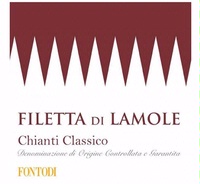 Although this release is only the third vintage of this wine, Giovanni Manetti, owner/winemaker at Fontodi told me they have been working on the project for 15 years. The Filetta vineyard, owned by Manetti’s cousin, is only a few miles from Fontodi’s home base near Panzano, but the wine is very different from their usual Chianti Classico because of the extreme elevation of the vineyard. … Read more
Pascal Jolivet, Pouilly-Fumé (Loire Valley, France) 2016
($23): 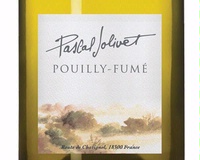 Although made entirely from the Sauvignon Blanc grape, as required by regulations, Jolivet’s v never screams that grape. Sure, you sense a bite, characteristic of the varietal, but the overall impression is one of a minty minerality with an enlivening citrus finish. … Read more
Tinto Pesquera, Ribera del Duero (Spain) Crianza 2014
($35, Folio Fine Wine Partners):  The wine from Tinto Pesquera, the Fernandez family’s flagship estate, brought critical acclaim to Alejandro Fernandez decades ago. As much as I like the Crianza from their Condado de Haza estate, this Crianza is just, well, better. … Read more
Bruno Giacosa, Barbera d’Alba (Piedmont, Italy) 2015
($28, Folio Fine Wine Partners): 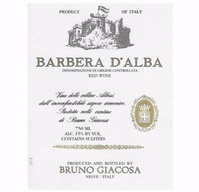 Bruno Giacosa was best known for his exceptional Barbaresco and Barolo, often produced from purchased grapes. It turns out that he produced excellent Barbera as well, as this 2015 shows. There’s an ongoing argument as to which is better: Barbera from Alba or from Asti? … Read more
Condado de Haza, Ribera del Duero (Spain) Crianza 2015
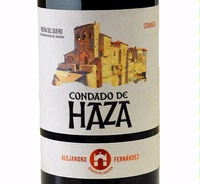
($24, Folio Fine Wine Partners): This must be one of the best wines selling for less than $25 a bottle in today’s market. The estate, Condado de Haza, is part of the Fernandez family’s holding in Ribera del Duero, the area which gained its D.O.… Read more
El Vínculo, La Mancha DO (Spain) Airen “Alejairén” 2015
($30, Folio Fine Wine Partners): The Fernández family, headed by patriarch Alejandro who is best known for his Tinto Pesquera, a wine that was instrumental in the formation of the Ribera del Duero DO, has expanded to the La Mancha area. Made entirely from Airén and the only white wine in the Fernández portfolio, Alejairén is bold, expressing ripe stone fruit-like flavors. … Read more
El Vínculo, La Mancha DO (Spain) Crianza 2013
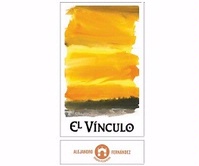
($19, Folio Fine Wine Partners): Made from Cencibel, a thicker-skinned type of Tempranillo, this Crianza comes from the Fernández family’s outpost in La Mancha. It conveys a combination of hearty dark fruit flavors mixed with the spice characteristic of aging in American oak barrels, where it spent 18 months. … Read more
Donnafugata, Vittoria Frappato DOC (Sicily, Italy) “Bell’Assai” 2017
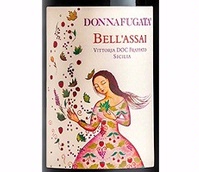
($28): Donnafugata, one of the top producers on that island, makes a floral wine from Frappato, an indigenous Sicilian variety. Light-bodied, it exudes charm and delicacy, but finishes with an engaging touch of bitterness. It could easily take a chill in the summer. … Read more
Donnafugata, Etna Rosso DOC (Sicily, Italy) “Sul Vulcano” 2016
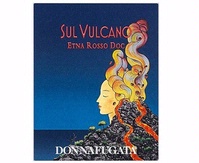
($35, Folio Fine Wine Partners): You can almost smell and taste the lava-infusion soil of Mount Etna in this wine. This mid-weight red packs lots of flavor for its weight. With a lovely firmness, it’s a wine that cries for food as opposed to a stand-alone aperitif.… Read more
Nicolas Maillart, Champagne (France) Grand Cru Brut Rosé NV
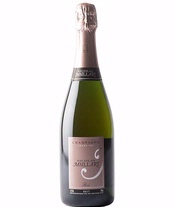
($50): There’s no doubt about the power emanating from this Champagne. It just needs time to reveal it. Initially, it’s hard, almost severe. But give it time in the glass, or as I did, re-stopper it and try it again the next day. … Read more
Domaine Bouzereau-Gruère, Chassagne-Montrachet (Burgundy, France) Blanchot Dessous 2016
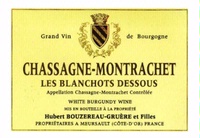
($48, AP Imports): This wine exemplifies the confusion surrounding Burgundy. The vineyard, Blanchot, is divided into two parts, Blanchot Dessus (dessus means “upper”) and Blanchot Dessous (dessous means lower). Blanchot Dessus is a classified as a Premier Cru, while the lower part, is just a village wine. … Read more
Domaine Bryczek, Morey Saint Denis (Burgundy, France) Clos Salon 2016
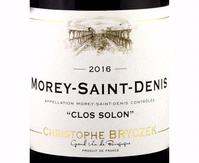
($50, AP Imports): The 2016 vintage in Burgundy was plagued by calamitous weather causing significantly reduced yields in many locales and more than normal variability in quality throughout the region. Some producers wound up making small amounts excellent wine, while others wound up with wines that were out of balance. … Read more
Stonestreet Estate Vineyards, Alexander Valley (Sonoma County, California) Chardonnay 2016
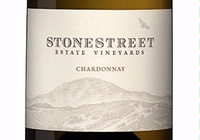
($45): Stonestreet Estate Vineyards, part of the Kendall-Jackson portfolio, prides itself on the mountainous location of its vineyards. The conventional wisdom is that higher elevation vineyards are cooler, which allows slower ripening, better flavor development and better retention of acidity. This Chardonnay, a blend from several vineyards, supports that idea. … Read more
Stonestreet Estate Vineyards, Alexander Valley (Sonoma County, California) Chardonnay Bear Point Vineyard 2016
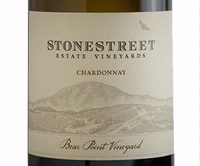
($60): Compared to their regular (multi-vineyard blend) Chardonnay, the one from Bear Point Vineyard has better density and is more elegant. Although the concentration is what’s immediately noticeable, its elegance, especially in the finish, is what sticks in your mind. Judicious oak aging adds a subtle creaminess to its citrus-tinged flavors, making it a good choice for chicken in a creamy mushroom sauce. … Read more
Stonestreet Estate Vineyards, Alexander Valley (Sonoma County, California) Chardonnay Upper Barn Vineyard 2016
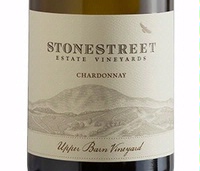
($100): Stonestreet produces single vineyard Chardonnay, which, when tasted side-by-side, are distinctly different. Whether the differences are worth the price differential is something for you and your banker to decide. Upper Barn Vineyard, at 1,800 ft elevation, must be an even cooler site because the wine is racier compared to the Bear Point Chardonnay. … Read more
Spottswoode Estate Vineyard & Winery, Napa Valley (California) Cabernet Sauvignon “Lyndenhurst” 2015
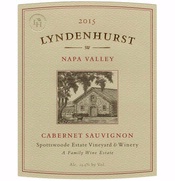
($82): Spottswoode’s Lyndenhurst bottling comes from a combination of their grapes that don’t make the cut for their top wine along with purchased grapes. In that sense, it’s the Bordeaux equivalent of a “second” wine. Second wines, whether in Bordeaux or California, are a good introduction to a producers’ style at a lower price. … Read more
Steele, Lake County (California) Cabernet Franc 2016
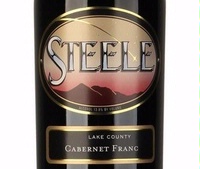
($20): This wine, like most made from Cabernet Franc, is lighter and more herbal than wine made from Cabernet Sauvignon. Less fruity with more emphasis on the savory flavors, it has lovely restraint without being austere. The balance of fruitiness and earthy qualities sings. … Read more
Château Léoville Poyferré, Saint Julien (Médoc, Bordeaux, France) 2015
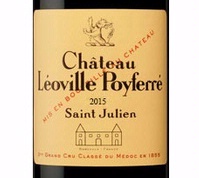
($117): In a word, show-stopping. Léoville Poyferré has really upped their game beginning with the 2010 vintage. They made significant changes in the winery that year, installing smaller fermenting vats to allow them to have even more precision in fermenting grapes from the different vineyard parcels. … Read more
Dominio del Plata, Valle de Uco (Mendoza, Argentina) “Ben Marco Expresivo” 2016
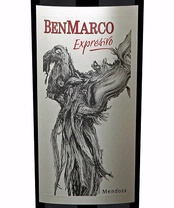
($35, Folio Fine Wine Partners): Though the producer according to the label is Dominio del Plata, the important name is that of Susana Balbo, one of Argentina’s top producers. In this wine, she has fashioned an attractive blend of Malbec (75%) and Cabernet Franc.… Read more
Susana Balbo, Valle de Uco (Mendoza, Argentina) “Brioso” Single Vineyard Red Wine 2016
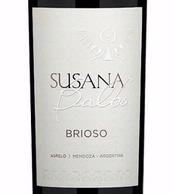
($45, Folio Fine Wine Partners): A plummy and polished Bordeaux-blend of Cabernet Sauvignon (53%), Cabernet Franc (24%), Malbec (16%), and Petit Verdot, Balbo’s Brioso is fruit-focused, yet balanced by enough acidity to keep it fresh and lively. A suave texture adds to its appeal. … Read more
Spottswoode, California (United States) Sauvignon Blanc 2017
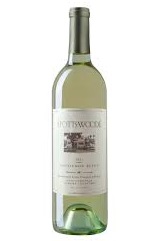
($42): Don’t let the lack of an upscale appellation deter you from this sensational Sauvignon Blanc. Although legally it must be labeled as California because less than 85 percent of the grapes came from a more particular AVA, the grapes have excellent provenance — one-third come from Napa County while two-thirds come from Sonoma County. … Read more
J Vineyards & Winery, Russian River Valley (Sonoma County, California) “Cuvée 20” NV
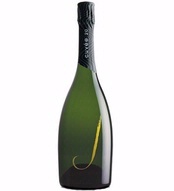
($38): Cuvée 20 was originally inaugurated to celebrate 20 years of sparkling wine production by J, founded in 1986. A blend of almost equal parts Chardonnay and Pinot Noir (with a drop of Pinot Meunier), it is now one of their beloved bottlings. … Read more
Kendall-Jackson, Sonoma County (California) Cabernet Sauvignon “Grand Reserve” 2014
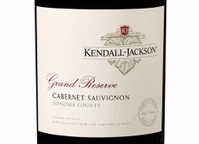
($28): This is Kendall-Jackson’s mid-tier Cabernet Sauvignon, positioned between their Vintner’s Reserve and their Alexander Valley Jackson Estate bottlings. A balanced blend of five Bordeaux grapes (Cabernet Sauvignon [81%], Petit Verdot [9%], Merlot [5%], Cabernet Franc [3%] and Malbec), it’s focused on dark fruit flavors. … Read more
Kendall-Jackson, Alexander Valley (Sonoma County, California) Cabernet Sauvignon “Jackson Estate” 2014
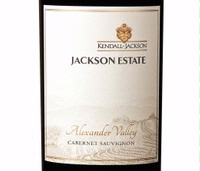
($40): Kendall-Jackson’s Jackson Estate bottling is a giant step up from their other Cabernet Sauvignon offerings, presumably because it comes from a more rigorous selection of their grapes. With more character and complexity, it mingles olive-tinged and herbal savory elements with a dark plum or cassis-like fruitiness. … Read more
Viña Eguía, Rioja Reserva (Spain) 2014
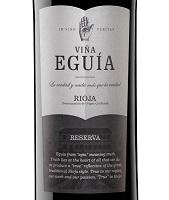
($19, Quintessential Wines): Here’s yet another example of why Rioja can be such a treasure trove of value-paced wines. Viña Eguía’s Reserva, made entirely from Tempranillo, provides a lovely balance of vibrant red fruit-like flavors and savory nuances. The modest 13.5 percent-stated alcohol belies the weight and depth of the wine. … Read more
Teece Family Vineyards, North Canterbury (New Zealand) Sauvignon Blanc “Sisters Ridge” 2018
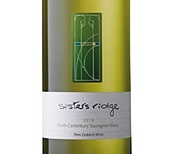
($13): The Teece family, the owners of Mt. Beautiful, a top New Zealand Pinot Noir producer, have produced a lighter and more delicate style of New Zealand Sauvignon Blanc. It still conveys the characteristic pleasant zingy bite you’d expect from New Zealand’s signature grape, but it doesn’t shake you by the lapels. … Read more
Mt. Beautiful, North Canterbury (New Zealand) Pinot Noir “10 Barrels” 2015
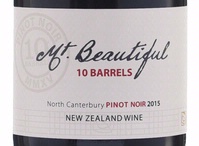
($45): Since their founding, Mt. Beautiful has always focused on making high-quality Pinot Noir. The 2015 vintage was the first time they have produced a reserve bottling, labeled 10 Barrels, presumably because they used their top 10 barrels for the blend. It’s a wonderful Pinot Noir, showing both the fruity and savory side of that grape. … Read more
Tenuta Carretta, Barolo (Piedmont, Italy) “Cannubi” 2012
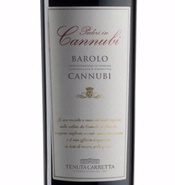
($65): Tenuta Carretta owns a small piece of Cannubi, arguably Barolo’s most famous vineyard. A youthful Barolo, it delivers a haunting combination of floral elements followed by tarriness. Paradoxically, it’s delicate, but with a substantial presence. Its firm tannic structure is appropriate for its age and does not perturb the wine’s harmony and balance. … Read more
Lanson, Champagne (France) Brut “Black Label” NV
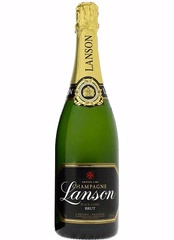
($45): In my opinion, Lanson does not receive the credit it’s due. Their non-vintage Brut combines a welcome steeliness and vibrancy with richness. Geek alert — the vibrancy is, in part, due to their blocking the malolactic fermentation, action of bacteria that normally changes firm green apple-like (malic) acidity to softer (creamy) lactic acidity. … Read more
Susana Balbo, Valle de Uco (Mendoza, Argentina) Signature “Brioso” White Blend 2017
($24, Folio Fine Wine Partners): Susana Balbo has fashioned a captivating ying-yang of a white wine. Floral and seductively aromatic, it delivers a hint of sweetness that is balanced perfectly with bracing acidity. The overall impression is that of a clean, fresh and lively wine. … Read more
Warre’s, Porto (Portugal) Late Bottled Vintage 2001
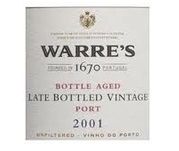
($30, Vineyard Brands): Late Bottled Vintage Port, or LBV as it is commonly known, is an ideal way to savor some of the glories of Vintage Port without waiting the requisite two or three decades for the latter to mature in the bottle. … Read more
Principe Corsini, Costa Toscana Rosso (Tuscany, Italy) “Marsiliana” 2013
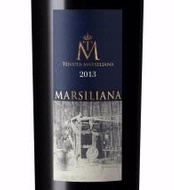
($55): Tenuta Marsiliana is Principe Corsini’s estate in the Maremma area of Tuscany. They refer to this wine, a blend of Cabernet Sauvignon, Merlot and Petit Verdot, as the estate’s “grand vin,” as the French would, presumably because of the Bordeaux blend of grapes. … Read more
Principe Corsini, Chianti Classico Riserva (Tuscany, Italy) “Cortevecchia” 2015
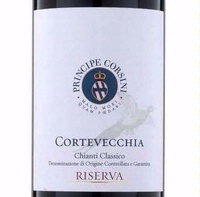
($30): As much as I liked Principe Corsini’s 2015 annata (standard or regular one) Chianti Classico, their 2015 Riserva is just better. Riserva should be better than the regular bottling, but that isn’t always the case. They can be overdone or over-extracted and out of balance. … Read more
Principe Corsini, Chianti Classico Gran Selezione (Tuscany, Italy) “Don Tommaso” 2015
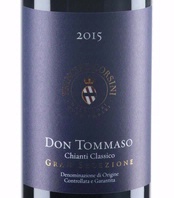
($43): With the introduction of Gran Selezione several years ago, Chianti Classico has a quality pyramid with annata (regular or standard bottling) at the bottom, followed by Riserva and then Gran Selezione at the pinnacle. With Don Tommaso, Principe Corsini shows they can produce a stunning more “modern” style of Chianti Classico that contrasts beautifully with their Riserva. … Read more
Principe Corsini, Chianti Classico (Tuscany, Italy) “Le Corti” 2015
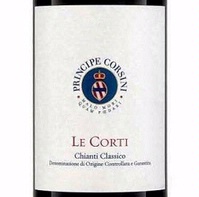
($24): Principe Corsini’s 2015 Chianti Classico exemplifies why Chianti Classico in general is so popular. Bright and fresh, it delivers the ideal combination of red cherry-like fruitiness with haunting earthy, “not just fruit” flavors that give it complexity and character. Lively acidity and smooth tannins make it the “go-to” red wine now. … Read more
Tenuta Carretta, Barbaresco Riserva (Piedmont, Italy) Cascina Bordino 2012
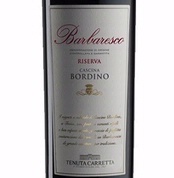
($60): People who think Barbaresco is a lighter version of Barolo will change their opinion after trying this wine. A burly and broad-shouldered Barbaresco from the relatively obscure Cascina Bordino vineyard in the southern edge of Treiso, this one combines firm minerality with weight and appropriately prominent tannins. … Read more
Eberle Winery, Paso Robles (Central Coast, California) Chardonnay Eberle Estate Vineyard 2017
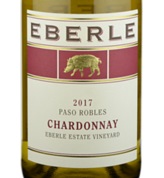
($24): Gary Eberle has been making wine for decades, having founded his eponymous estate in 1982. His experience shows in his wines, both this charm-filled Chardonnay and in his equally impressive Cabernet Sauvignon. With his 2017 Chardonnay he walks the line beautifully between delivering too little and too much. … Read more
Jason-Stephens Winery, Santa Clara Valley (Central Coast, California) Meritage 2014
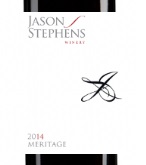
($34): While Jason-Stephens’ Cabernet and Merlot bottlings exhibit savory elements that complement their dark fruitiness, this bottling embraces bold fruitiness. A ripe blend of Cabernet Sauvignon (30%), Merlot (30%), with equal parts of Malbec, Carmenere, Petite Verdot and Cabernet Franc, it weighs in at 15.1 percent stated alcohol. … Read more
Jason-Stephens Winery, Santa Clara Valley (Central Coast, California) Merlot 2014
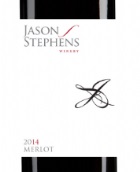
($24): Intriguing and welcome leafy and herbal nuances, a hallmark of real Merlot, complements the dark fruitiness that otherwise dominates. A hint of chocolate, presumably from oak aging, either enhances or detracts, depending on your point of view. The silky tannins in this blend of Merlot (85%), Cabernet Sauvignon (10%) and Malbec make it ideal for current consumption. … Read more
Jason-Stephens Winery, Santa Clara Valley (Central Coast, California) Cabernet Sauvignon 2014
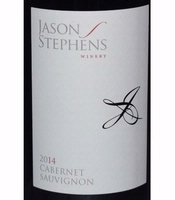
($28): Though the focus is firmly on dark fruit flavors, lovely olive-tinged savory notes come through in this Cabernet Sauvignon-dominant (76%) Bordeaux-blend. Merlot, Malbec, Petit Verdot, and Cabernet Franc round out the blend. The oak influence is better integrated at this stage compared to their Merlot. … Read more
Freemark Abbey, Rutherford, Napa Valley (California) Cabernet Sauvignon 2013
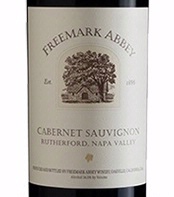
($70): Freemark Abbey, one of the iconic Napa Valley Cabernet producers, continues their streak with this concentrated and deep 2013 rendition. Under its hulking frame lies elegance and refinement. The tannins have a lovely dusty quality, appropriate for a youthful Rutherford Cabernet. … Read more