
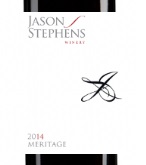
($34): While Jason-Stephens’ Cabernet and Merlot bottlings exhibit savory elements that complement their dark fruitiness, this bottling embraces bold fruitiness. A ripe blend of Cabernet Sauvignon (30%), Merlot (30%), with equal parts of Malbec, Carmenere, Petite Verdot and Cabernet Franc, it weighs in at 15.1 percent stated alcohol. … Read more
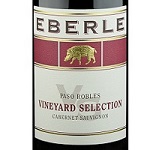
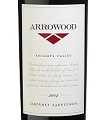
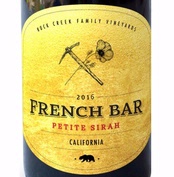

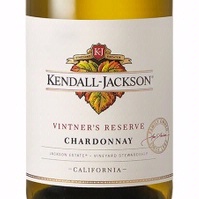
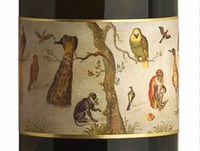 Tongue Dancer, the project of experienced winemaker James MacPhail and Kerry MacPhail, is an odd name for a wine but is supposed to evoke the image of wines that dance on your tongue. If the name sounds odd, the label is even weirder.
  What’s particularly impressive about this Cabernet Sauvignon is the complexity and poise it delivers for the price. It should be surprise because of Jed Steele’s experience and the source of the grapes. The Red Hills part of Lake County is a relatively new AVA.
 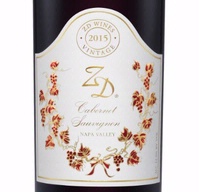 ZD has produced a quintessential Napa Valley Cabernet and shows, once again, why that region is one of the best places in the world for that grape. It’s a powerful Cabernet — it is from California, after all — but it has elegance and is not overdone.
 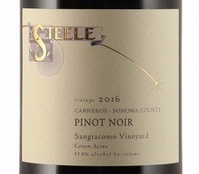 Jed Steele has captured the lovely delicacy and subtle savory notes that are the hallmarks of Pinot Noir. Lively acidity keeps it fresh, while fine tannins allow enjoyment now, without additional bottle aging. It finishes with a hint of sweetness, which allows you to enjoy a glass by itself while preparing to grill the salmon.
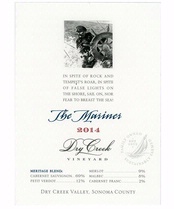 This is a Cabernet-based powerhouse Bordeaux blend that includes, in addition to that grape, Petit Verdot, Malbec (yes, it used to be, and still is, planted in Bordeaux), and Cabernet Franc. Despite its depth and power, the finely polished tannins allow for current consumption.
 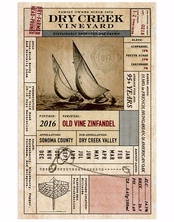 Full disclosure, I generally do not like Zinfandel, so I may be under scoring this wine. This is a masterful blend of Zinfandel (78%) from dry-farmed, 95-plus year old vineyards, Petite Sirah and Carignan. Dry-farmed vineyards ensure that the roots of the vines go deep to find water and presumably other compounds that add to the flavor of the grapes and, subsequently, to the wine.
 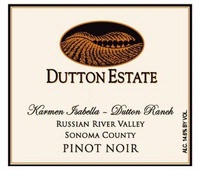 There’s plenty going on in the broad-shouldered Pinot Noir. Savory leafy elements and spice complement and offset the ripe black fruit notes. Suave supple tannins lend support without being intrusive. A touch of heat in the finish — from the 14.2 percent stated alcohol — perturbs this otherwise nicely balanced wine.
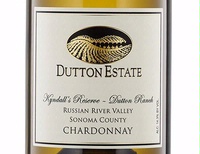 With its 14.7 percent stated-alcohol, this is a broad-shouldered Chardonnay. Fruit-focused and framed with subtle flavors from oak aging, it is actually balanced considering its size. Its overt, up-front flavors would go well with sautéed veal or a roast chicken.
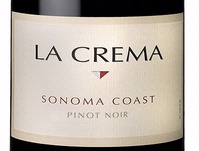 La Crema sources the grapes for this Pinot Noir from the potentially better-suited vineyards on the Sonoma Coast. Compared to their Monterey bottling, the sweetness in this one is replaced by bright, ripe red fruit notes mixed with alluring herbal and leafy flavors.
 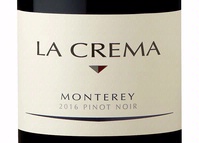 It’s difficult to find reasonable Pinot Noir under $25 a bottle because it is a difficult grape to grow and even more difficult to turn into wine, especially if the producer doesn’t limit yield. In this one, La Crema balances a hint of cherry-like sweetness with briary elements.
 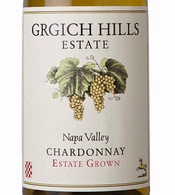 Grgich Hills Estate is certainly among California’s leading producers across the board, and especially for Chardonnay. Indeed, year in and year out, they produce excellent examples. This wonderfully full-bodied wine manages to maintain balance with zippy crisp acidity and whiff of smokiness.
 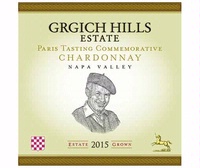 As much as I love Grgich’s “regular” (though there’s nothing at all regular about it) Chardonnay, this Legacy Selection is just show-stopping. For all its power and intensity, it is amazingly refined and graceful. The phrase, “iron fist in a velvet glove,” is usually reserved for red wines, but it is equally applicable here.
  Though based in Yountville in Napa, Stewart Cellars, a family-run winery established only in 2000, finds growers in Sonoma with whom to work. I, for one, am glad they did. This fine Chardonnay, for example, comes from the cooler Sonoma Mountain area, which likely explains, at least in part, its finesse.
  One of the great things about New World winemakers is their willingness to experiment because they are not constrained by regulations. This blend of Sauvignon Blanc and Gewurztraminer (roughly 60/40) is a case in point. Where else in the world would you find a blend of those two grapes?
 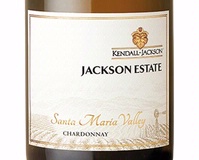 Arguably, Kendall-Jackson is largely responsible for Americans’ love of Chardonnay. So, it’s not surprising that they should expand their portfolio with site-specific bottlings of that variety. This one, from Santa Maria Valley, delivers fruity, spiced pineapple-like flavors along with the opulence for which KJ is known.
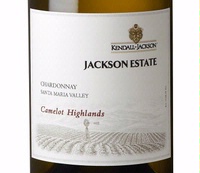 The uniqueness of Santa Maria Valley, as a whole, stems from its east-west orientation, instead of the usually north-south orientation of most California valleys. This orientation allows the cooling influence of the Pacific Ocean direct access to the vineyards. Indeed, vineyards just a few miles inland are considerable warmer, producing grapes and wines with different flavor profiles, than ones further west.
 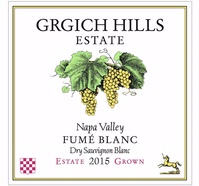 It’s hard to understand how one producer can master so many different wines. But Grgich Hills does. Their Chardonnays are iconic, certainly among California’s best. Their Cabernet Sauvignons are thrilling and develop wonderfully with bottle age. Even their Zinfandel charms.
  A big step up from Edna Valley’s regular Sauvignon Blanc, this one, part of their Winemaker Series level, has more depth and a richer texture while maintaining vibrancy. It enlivens the palate without being aggressive. A balanced wine, it has a Sancerre-like sensibility.
 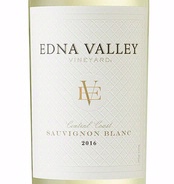 This refreshing and straightforward Sauvignon Blanc delivers a tingling bite without being aggressive. Clean and bright, it’s a well-priced go-to kind of wine for the heat and humidity that is about to descend.
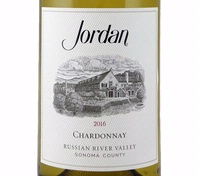 As with their splendid Cabernet Sauvignon, Jordan produces refined Chardonnay. Crisp and creamy with a display of citrus, their 2016 Chardonnay caresses, rather than assaults, the palate. It’s an elegantly styled Chardonnay whose charm reveals itself as it sits in the glass.
 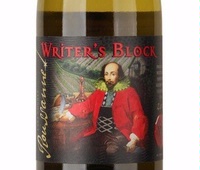 Roussanne is a grape grown in the Rhône Valley and often, along with Marsanne and Viognier, is used with to make white wines from that region. Similar to their Syrah, what’s in the bottle is far superior to what’s on the bottle, so don’t be put off by the name.
  Many people in the wine trade tell me that they avoid Cabernet Franc because it can deliver vegetal flavors if not entirely ripe. It can. But it can also be the basis for a spectacular wine — think Bordeaux’s Château Cheval Blanc — by providing a needed savory component.
 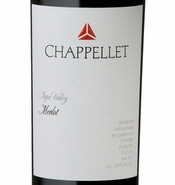 So much Merlot is consumed thoughtlessly as a pre-dinner drink — as in “I’ll have a glass of Merlot” — that consumers could be excused if they think grape is incapable of producing serious wine. Chappellet’s 2015 Merlot should dispel that idea.
 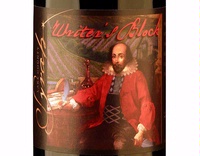 I was predisposed to dislike the wine because of its cutesy name. But, just as you can’t judge a book by its cover, you need to taste to fairly evaluate a wine. This is a well-proportioned Syrah that brings black fruit, smoky and peppery notes together seamlessly.
 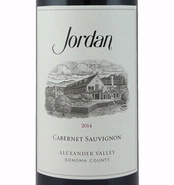 I admire Jordan because they have never veered from their style of making refined and polished Cabernet Sauvignon. They’ve avoided the “bigger is better” trap, and have remained focused on elegance and refinement. Take this 2014 Cabernet. From the moment you smell it, you know you’re in for a treat.
 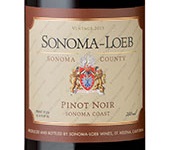 John Loeb, Jr, former Ambassador to Denmark, businessman and philanthropist, established Sonoma-Loeb in 1990. The wines had always been made at Chappellet Vineyard and Winery, so when Chappellet purchased the property in 2011, nothing really changed — the wines are still top-notch.
 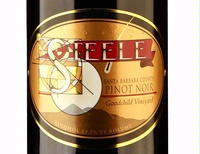 Jed Steele has a long history of making fine wine in California so my enthusiasm for this wine is not surprising. Steele purchases grapes from the Goodchild Vineyard which is located just across the river from the famed Bien Nacido vineyard (He also makes a Pinot Noir from grapes grown in that vineyard.)
 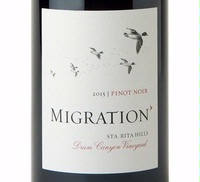 Migration, yet another label of the Duckhorn Wine Company, focuses on Pinot Noir and Chardonnay. Their first wine was the 2001 Anderson Valley Pinot Noir. Now they have ‘migrated’ to other regions of California, showing that the French do not have a monopoly of terroir — the concept that the place where the grapes grow determines the character of the wine.
 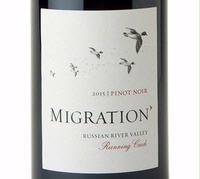 This one, from a different vineyard in the Russian River Valley, is the boldest of this trio of Pinot Noir and delivers more black, rather than red, fruit character. Similar to Migration’s other offerings, its suave texture makes it extremely appealing for current consumption, though its balance suggests it will develop nicely with bottle age.
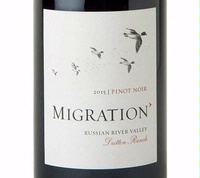 Migration’s Pinot Noir from the famed Dutton Ranch in Russian River Valley has more oomph than their Sta. Rita bottling, no doubt from slightly warmer climate. Still, it has a lovely lacey, almost, red fruit delicacy, which to my mind is another key component of Pinot Noir — its ability to deliver flavor without weight.
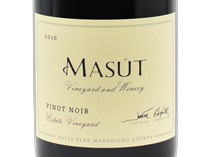 Ben and Jake Fetzer, grandsons of famed Barney Fetzer who made Fetzer Vineyards a household name in the 1990s, founded Masút Vineyard and Winery in 2009 to focus on Pinot Noir. Their father had purchased 1,200 acres in Mendocino County, which the sons planted — they have 35-acres devoted to Pinot Noir — and eventually established the Eagle Peak appellation.
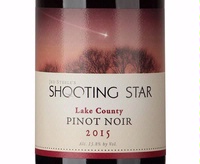 Unbelievable. My first and second — and third — reaction to this wine. Wine with real Pinot Noir character at $14 a bottle. Fresh and clean, it’s a delicate, but flavorful wine that finishes ever so slightly sweet. But fresh acidity keeps it balanced.
 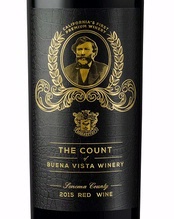 If you haven’t visited Buena Vista since the new regime came to town, you should definitely stop in and see what Jean Charles Boisset is up to with the restoration, and you can meet the Count while you’re there. Make sure you ask him to taste you on his namesake’s wine — it’s a fitting tribute to the original Count Agoston Haraszthy, with a sassy spice profile joining bright red fruit.
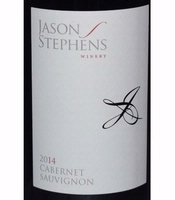
 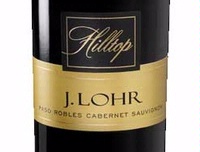 A touch (5%) of Petit Verdot and Malbec enhance this delightful Cabernet Sauvignon. Filled with dark fruit and olive-like savory notes, it’s ready to enjoy now because of its fine, polished tannins. Juicy acidity in the finish keeps it lively throughout the meal.